


The impact of hypervigilance: evidence for a forward feedback loop
- PMID: 24507631
- PMCID: PMC4211931
- DOI: 10.1016/j.janxdis.2013.12.006
The impact of hypervigilance: evidence for a forward feedback loop
Abstract
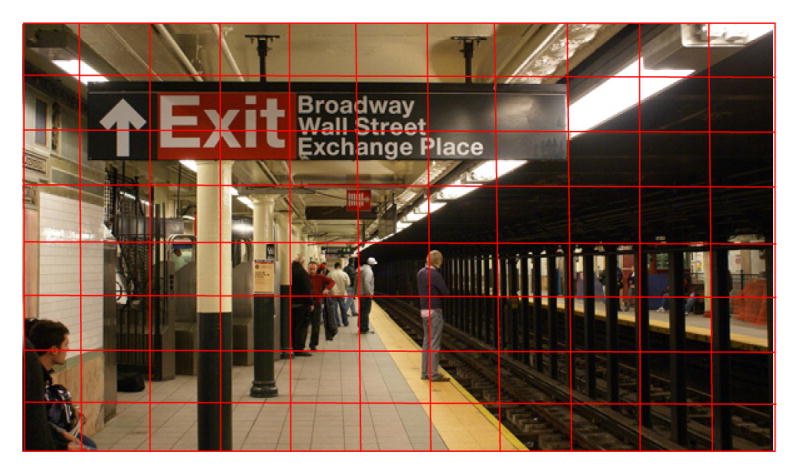
A number of prominent theories suggest that hypervigilance and attentional bias play a central role in anxiety disorders and PTSD. It is argued that hypervigilance may focus attention on potential threats and precipitate or maintain a forward feedback loop in which anxiety is increased. While there is considerable data to suggest that attentional bias exists, there is little evidence to suggest that it plays this proposed but critical role. This study investigated how manipulating hypervigilance would impact the forward feedback loop via self-reported anxiety, visual scanning, and pupil size. Seventy-one participants were assigned to either a hypervigilant, pleasant, or control condition while looking at a series of neutral pictures. Those in the hypervigilant condition had significantly more fixations than those in the other two groups. These fixations were more spread out and covered a greater percentage of the ambiguous scene. Pupil size was also significantly larger in the hypervigilant condition relative to the control condition. Thus the study provided support for the role of hypervigilance in increasing visual scanning and arousal even to neutral stimuli and even when there is no change in self-reported anxiety. Implications for the role this may play in perpetuating a forward feedback loop are discussed.
Keywords: Anxiety; Attentional bias; Eye tracking; Hypervigilance; PTSD.
Copyright © 2014. Published by Elsevier Ltd.
Figures
References
-
- Beck JG, Freeman JB, Shipherd JC, Hamblen JL, Lacker JM. Specificity of Stroop interference in patients with pain and PTSD. Journal of Abnormal Psychology. 2001;110(4):536–543. - PubMed
-
- Beck AT, Emery G, Greenberg RL. Anxiety disorders and phobias: A cognitive perspective. Basic Books; New York, NY: 2005.
-
- Beevers CG, Marti CN, Lee H, Stote DL, Ferrel RE, Hariri AR, Telch MJ. Associations between serotonin transporter gene promoter region (5-HTTLPR) polymorphism and gaze bias for emotional information. Journal of Abnormal Psychology. 2011;120(1):187–197. - PubMed
-
- Bögels SusanM, Mansell Warren. Attention processes in the maintenance and treatment of social phobia: Hypervigilance, avoidance and self-focused attention. Clinical Psychology Review. 2004;24(no. 7):827–856. - PubMed
Publication types
MeSH terms
Grants and funding
LinkOut - more resources
Full Text Sources
Other Literature Sources
Medical
