


Emotion perception, but not affect perception, is impaired with semantic memory loss
- PMID: 24512242
- PMCID: PMC4119962
- DOI: 10.1037/a0035293
Emotion perception, but not affect perception, is impaired with semantic memory loss
Abstract
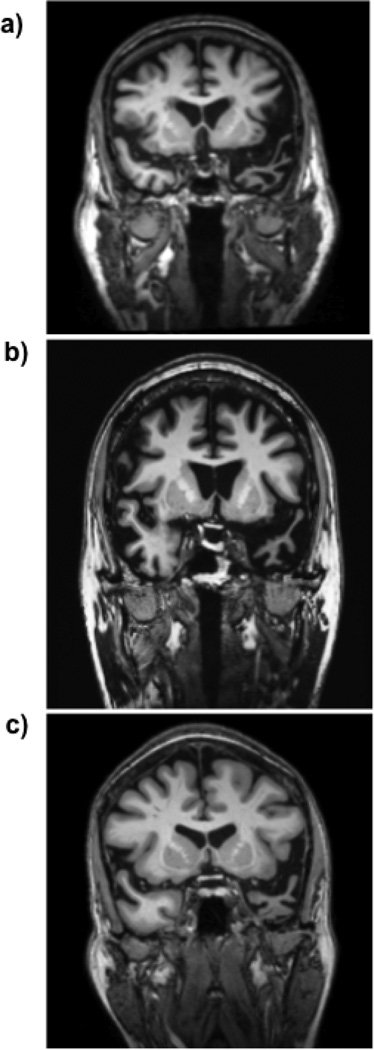
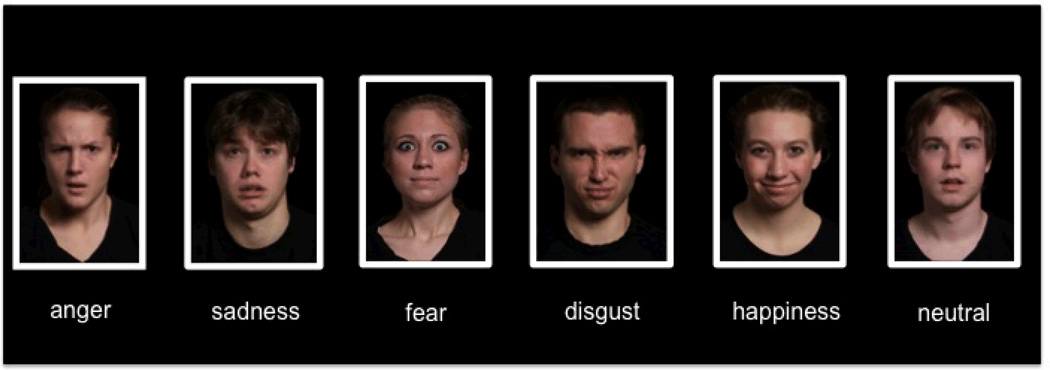
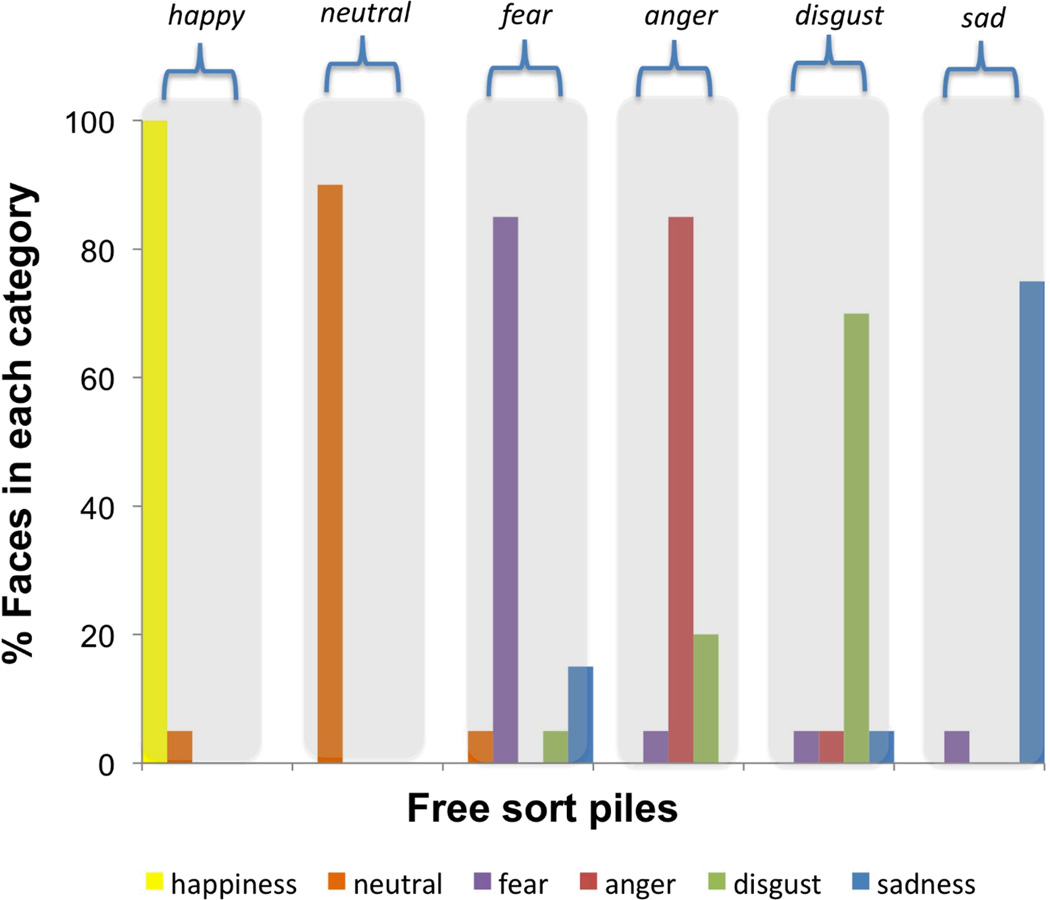
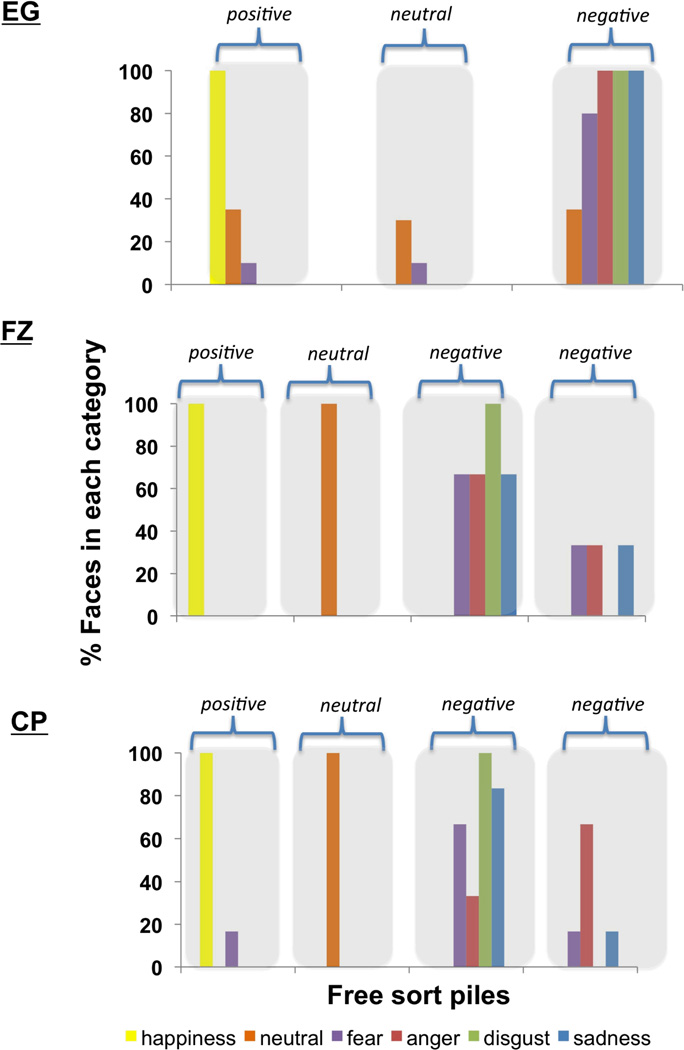
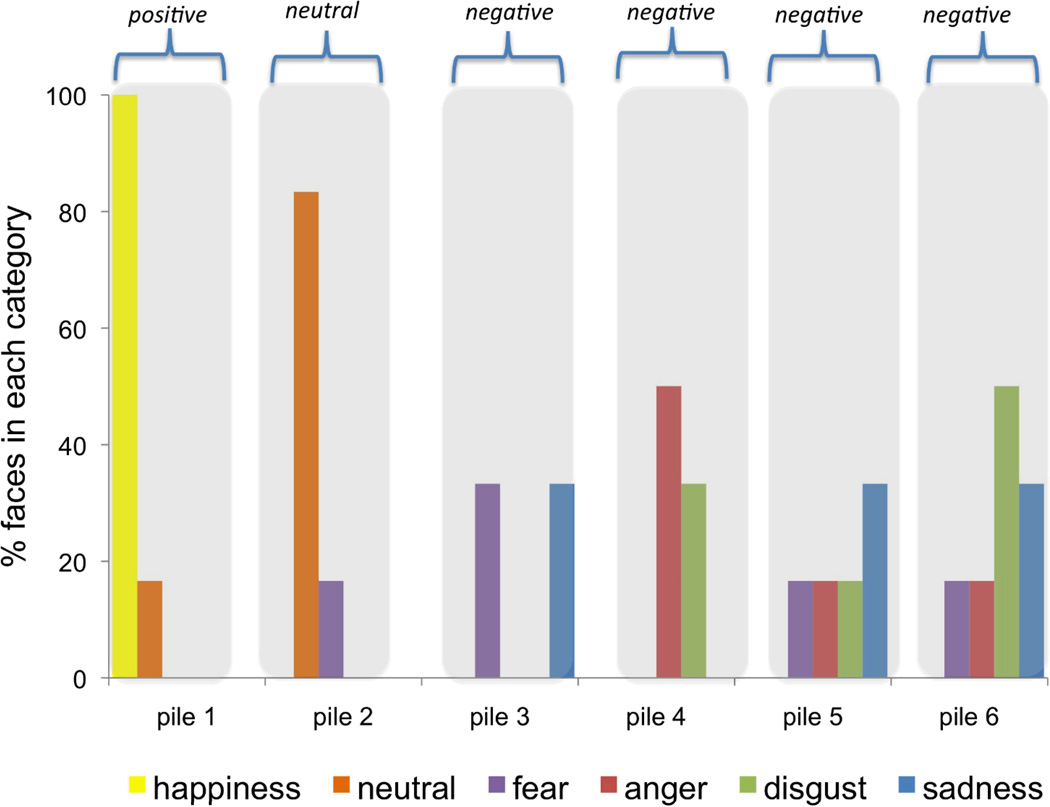
For decades, psychologists and neuroscientists have hypothesized that the ability to perceive emotions on others' faces is inborn, prelinguistic, and universal. Concept knowledge about emotion has been assumed to be epiphenomenal to emotion perception. In this article, we report findings from 3 patients with semantic dementia that cannot be explained by this "basic emotion" view. These patients, who have substantial deficits in semantic processing abilities, spontaneously perceived pleasant and unpleasant expressions on faces, but not discrete emotions such as anger, disgust, fear, or sadness, even in a task that did not require the use of emotion words. Our findings support the hypothesis that discrete emotion concept knowledge helps transform perceptions of affect (positively or negatively valenced facial expressions) into perceptions of discrete emotions such as anger, disgust, fear, and sadness. These findings have important consequences for understanding the processes supporting emotion perception.
Figures
References
-
- Baron-Cohen S, Wheelright S. The empathy quotient: An investigation of adults with asperger syndrome or high functioning autism, and normal sex differences. Journal of Autism and Developmental Disorders. 2004;34:163–175. - PubMed
-
- Barrett LF. Solving the emotion paradox: Categorization and the experience of emotion. Personality and Social Psychology Review. 2006;10:20–46. - PubMed
-
- Barrett LF. Emotions are real. Emotion. 2012;12:413–429. - PubMed
Publication types
MeSH terms
Grants and funding
LinkOut - more resources
Full Text Sources
Other Literature Sources
