


Traditional Chinese medicine and new concepts of predictive, preventive and personalized medicine in diagnosis and treatment of suboptimal health
- PMID: 24521056
- PMCID: PMC3926271
- DOI: 10.1186/1878-5085-5-4
Traditional Chinese medicine and new concepts of predictive, preventive and personalized medicine in diagnosis and treatment of suboptimal health
Erratum in
- EPMA J. 2014;5(1):12
Abstract
Background: The premise of disease-related phenotypes is the definition of the counterpart normality in medical sciences. Contrary to clinical practices that can be carefully planned according to clinical needs, heterogeneity and uncontrollability is the essence of humans in carrying out health studies. Full characterization of consistent phenotypes that define the general population is the basis to individual difference normalization in personalized medicine. Self-claimed normal status may not represent health because asymptomatic subjects may carry chronic diseases at their early stage, such as cancer, diabetes mellitus and atherosclerosis. Currently, treatments for non-communicable chronic diseases (NCD) are implemented after disease onset, which is a very much delayed approach from the perspective of predictive, preventive and personalized medicine (PPPM). A NCD pandemic will develop and be accompanied by increased global economic burden for healthcare systems throughout both developed and developing countries. This paper examples the characterization of the suboptimal health status (SHS) which represents a new PPPM challenge in a population with ambiguous health complaints such as general weakness, unexplained medical syndrome (UMS), chronic fatigue syndrome (CFS), myalgic encephalomyelitis (ME), post-viral fatigue syndrome (PVFS) and chronic fatigue immune dysfunction syndrome (CFIDS).
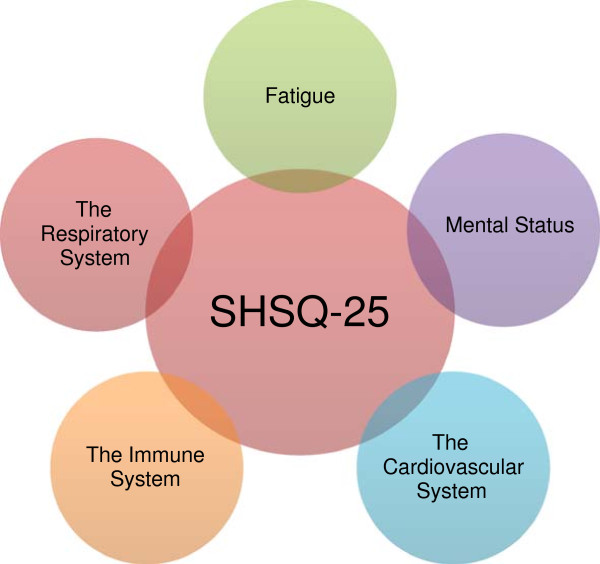
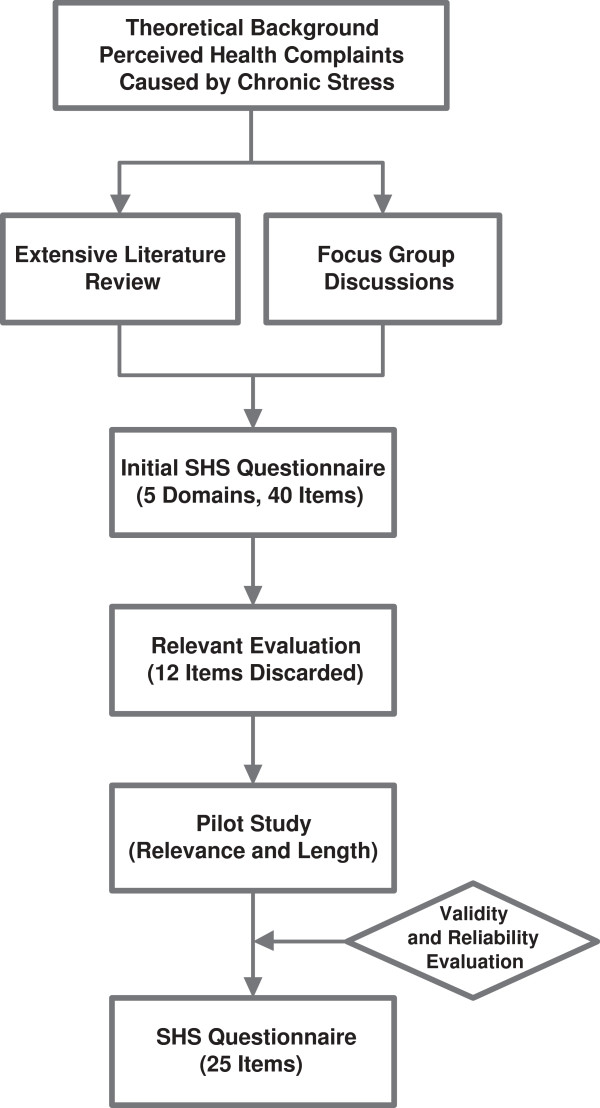
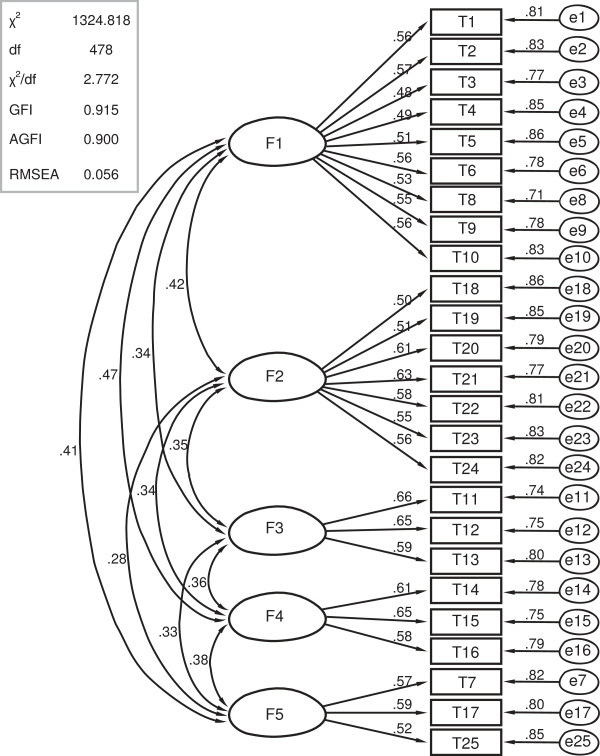
Methods: We applied clinical informatic approaches and developed a questionnaire-suboptimal health status questionnaire-25 (SHSQ-25) for measuring SHS. The validity and reliability of this approach were evaluated in a small pilot study and then in a cross-sectional study of 3,405 participants in China.
Results: We found a correlation between SHS and systolic blood pressure, diastolic blood pressure, plasma glucose, total cholesterol and high-density lipoprotein (HDL) cholesterol among men, and a correlation between SHS and systolic blood pressure, diastolic blood pressure, total cholesterol, triglycerides and HDL cholesterol among women.
Conclusions: The SHSQ-25 is a self-rated questionnaire of perceived health complaints, which can be used as a new instrument for PPPM. An ongoing longitudinal SHS cohort survey (China Sub-optimal Health Cohort Study, COACS) consisting of 50,000 participants will provide a powerful health trial to use SHSQ-25 for its application to PPPM through patient stratification and therapy monitoring using innovative technologies of predictive diagnostics and prognosis: an effort of paradigm shift from reactive to predictive medicine.
Figures
References
-
- Health: Merriam-Webster Dictionary. 2012. [ http://www.merriam-webster.com/dictionary/health] Accessed 1 August 2013.
-
- Wang W, Yan YX. Suboptimal health: a new health dimension for translational medicine. Clin Transl Med. 2012;1(28):5–6. http://www.clintransmed.com/content/1/1/28. - PMC - PubMed
-
- World Health Organization. Preamble to the Constitution of the World Health Organization as adopted by the International Health Conference, New York (Official Records of the World Health Organization, no. 2, p. 100) and entered into force on 7 April 1948. WHO definition of Health; 1946. http://www.who.int/bulletin/archives/80(12)981.pdf.
-
- World Health Organization. Constitution of the World Health Organization–basic documents. 45. 2006. http://www.who.int/governance/eb/who_constitution_en.pdf.
-
- Callahan D. The WHO definition of ‘health’. Hast Cent Stud. 1973;1(3):77–87. http://www.jstor.org/pss/3527467. - PubMed
LinkOut - more resources
Full Text Sources
Other Literature Sources
