


The importance of the cellular stress response in the pathogenesis and treatment of type 2 diabetes
- PMID: 24523032
- PMCID: PMC4041942
- DOI: 10.1007/s12192-014-0493-8
The importance of the cellular stress response in the pathogenesis and treatment of type 2 diabetes
Abstract
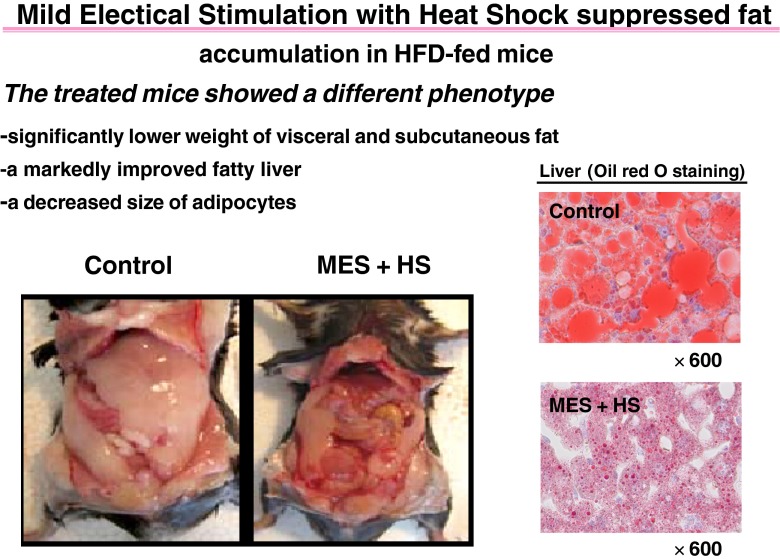
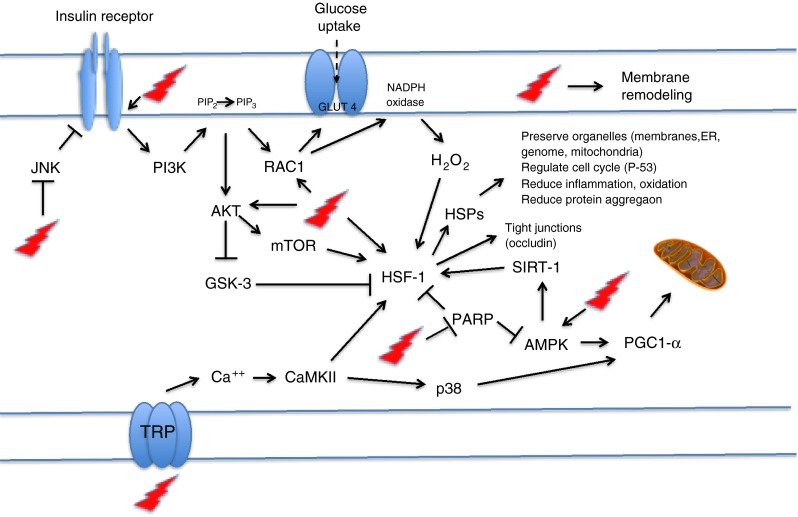
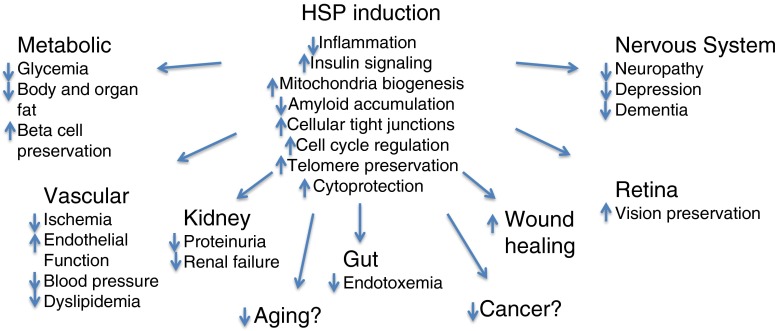
Organisms have evolved to survive rigorous environments and are not prepared to thrive in a world of caloric excess and sedentary behavior. A realization that physical exercise (or lack of it) plays a pivotal role in both the pathogenesis and therapy of type 2 diabetes mellitus (t2DM) has led to the provocative concept of therapeutic exercise mimetics. A decade ago, we attempted to simulate the beneficial effects of exercise by treating t2DM patients with 3 weeks of daily hyperthermia, induced by hot tub immersion. The short-term intervention had remarkable success, with a 1 % drop in HbA1, a trend toward weight loss, and improvement in diabetic neuropathic symptoms. An explanation for the beneficial effects of exercise and hyperthermia centers upon their ability to induce the cellular stress response (the heat shock response) and restore cellular homeostasis. Impaired stress response precedes major metabolic defects associated with t2DM and may be a near seminal event in the pathogenesis of the disease, tipping the balance from health into disease. Heat shock protein inducers share metabolic pathways associated with exercise with activation of AMPK, PGC1-a, and sirtuins. Diabetic therapies that induce the stress response, whether via heat, bioactive compounds, or genetic manipulation, improve or prevent all of the morbidities and comorbidities associated with the disease. The agents reduce insulin resistance, inflammatory cytokines, visceral adiposity, and body weight while increasing mitochondrial activity, normalizing membrane structure and lipid composition, and preserving organ function. Therapies restoring the stress response can re-tip the balance from disease into health and address the multifaceted defects associated with the disease.
Figures
References
-
- Adak S, Chowdhury S, Bhattacharyya M. Dynamic and electrokinetic behavior of erythrocyte membrane in diabetes mellitus and diabetic cardiovascular disease. Biochim Biophys Acta. 2008;1780(2):108–115. - PubMed
-
- Adami A, Pizzinelli P, Bringard A, Capelli C, Malacarne M, Lucini D, et al. Cardiovascular re-adjustments and baroreflex response during clinical reambulation procedure at the end of 35-day bed rest in humans. Appl Physiol Nutr Metab. 2013;38(6):673–680. - PubMed
-
- Alonso-Magdalena P, Quesada I, Nadal A (2011) Endocrine disruptors in the etiology of type 2 diabetes mellitus. Nat Rev Endocrinol 7(6):346–353. doi:10.1038/nrendo.2011.56 - PubMed
-
- Apro W, Wang L, Ponten M, Blomstrand E, Sahlin K. Resistance exercise induced mTORC1 signaling is not impaired by subsequent endurance exercise in human skeletal muscle. Am J Physiol Endocrinol Metab. 2013;305(1):E22–E32. - PubMed
-
- Atalay M, Oksala NK, Laaksonen DE, Khanna S, Nakao C, Lappalainen J, et al. Exercise training modulates heat shock protein response in diabetic rats. J Appl Physiol. 2004;97(2):605–611. - PubMed
MeSH terms
Substances
LinkOut - more resources
Full Text Sources
Other Literature Sources
Medical
Miscellaneous
