Curcumin suppresses proliferation of colon cancer cells by targeting CDK2
- PMID: 24550143
- PMCID: PMC3988585
- DOI: 10.1158/1940-6207.CAPR-13-0387
Curcumin suppresses proliferation of colon cancer cells by targeting CDK2
Abstract
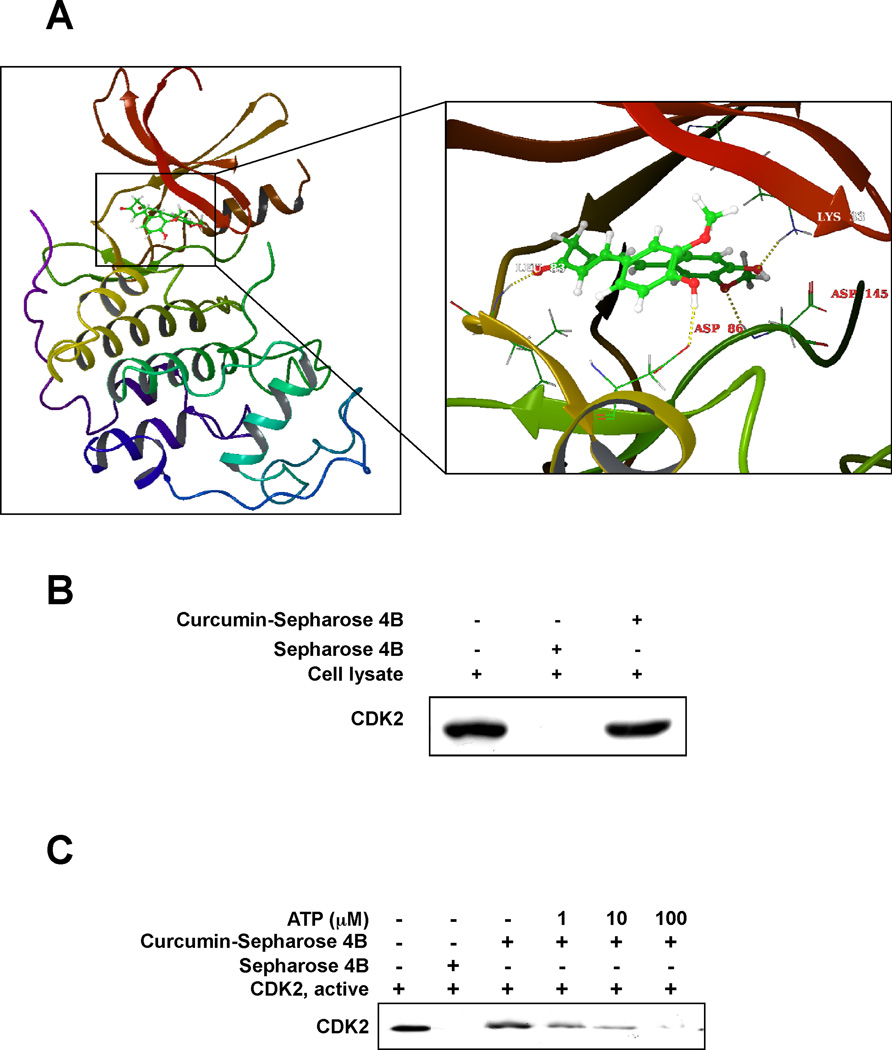
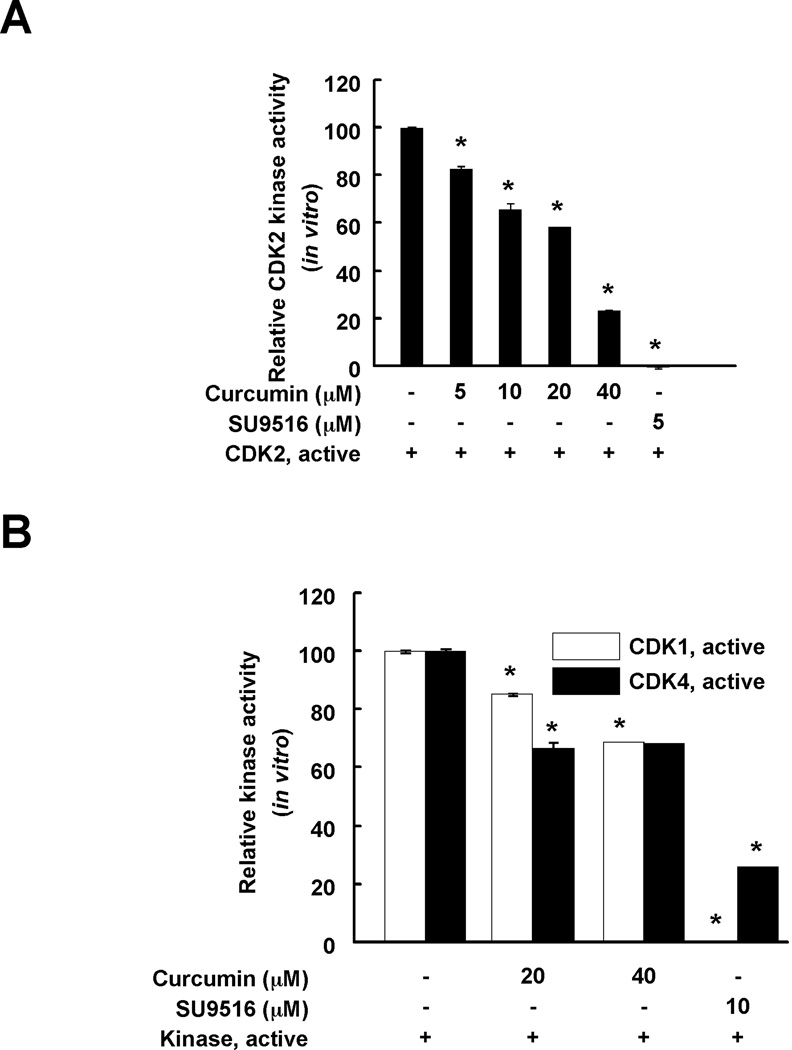
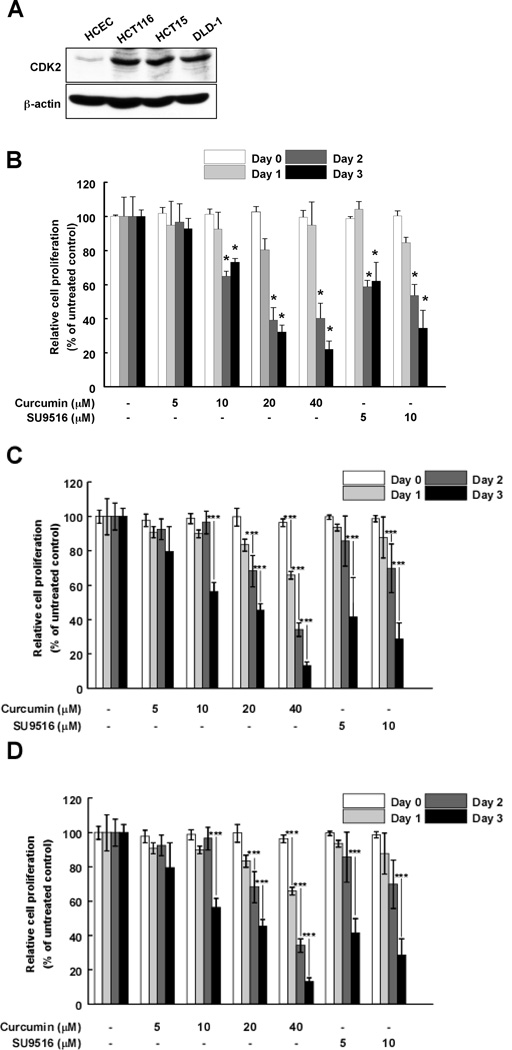
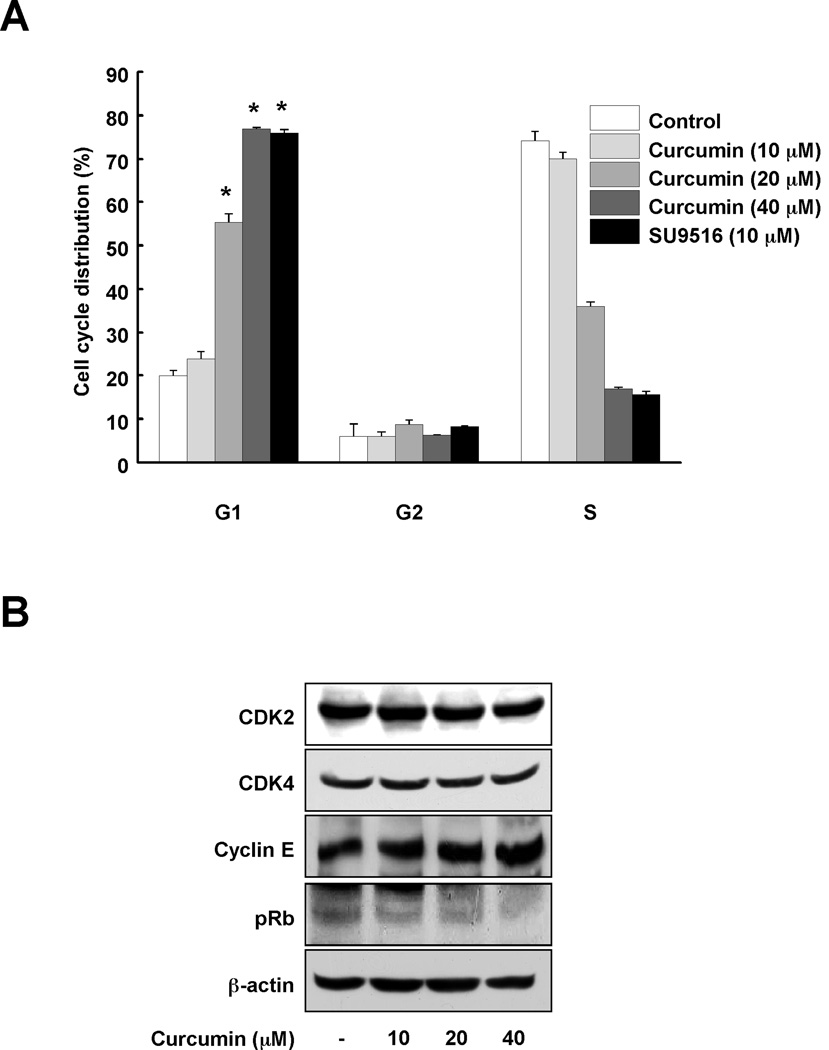
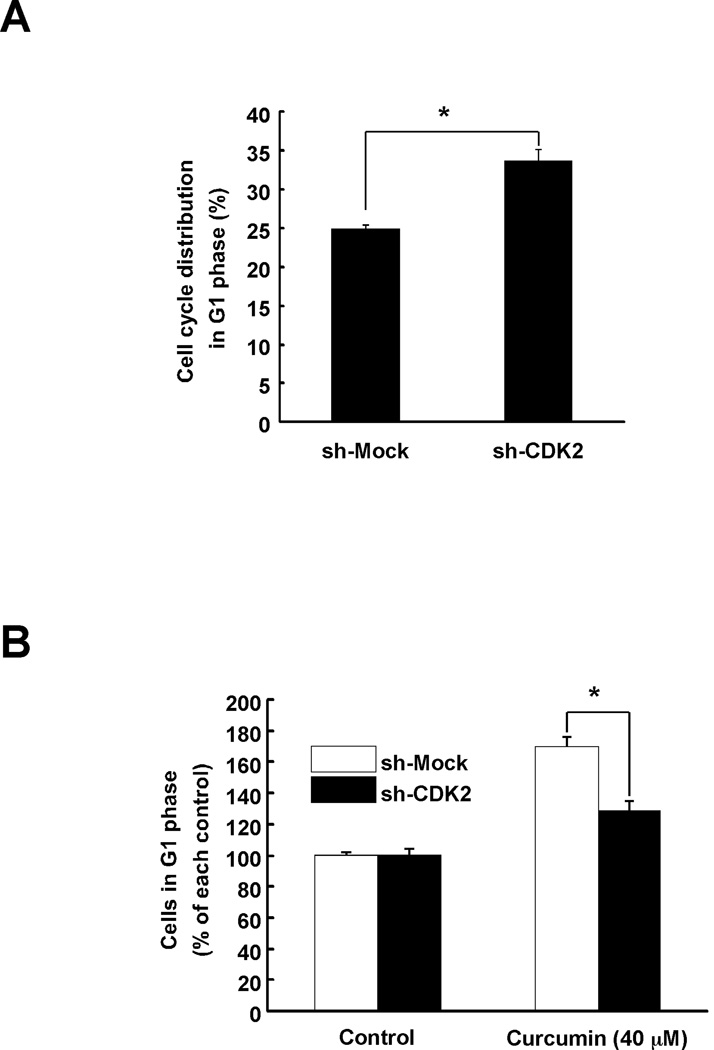
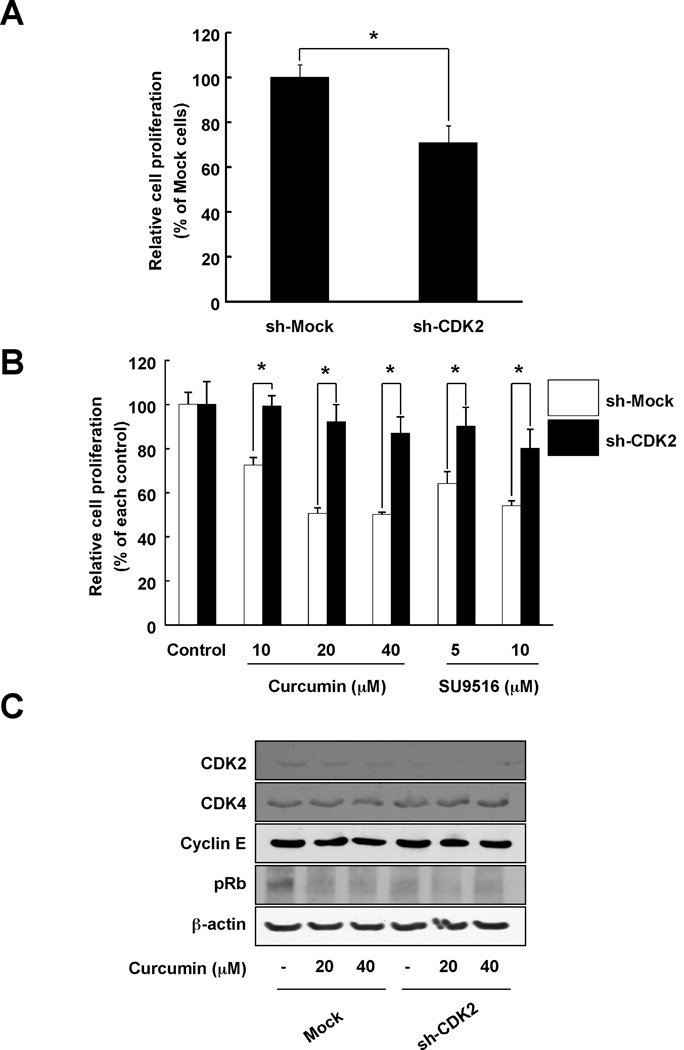
Curcumin, the yellow pigment of turmeric found in Southeast Indian food, is one of the most popular phytochemicals for cancer prevention. Numerous reports have demonstrated modulation of multiple cellular signaling pathways by curcumin and its molecular targets in various cancer cell lines. To identify a new molecular target of curcumin, we used shape screening and reverse docking to screen the Protein Data Bank against curcumin. Cyclin-dependent kinase 2 (CDK2), a major cell-cycle protein, was identified as a potential molecular target of curcumin. Indeed, in vitro and ex vivo kinase assay data revealed a dramatic suppressive effect of curcumin on CDK2 kinase activity. Furthermore, curcumin induced G1 cell-cycle arrest, which is regulated by CDK2 in HCT116 cells. Although the expression levels of CDK2 and its regulatory subunit, cyclin E, were not changed, the phosphorylation of retinoblastoma (Rb), a well-known CDK2 substrate, was reduced by curcumin. Because curcumin induced cell-cycle arrest, we investigated the antiproliferative effect of curcumin on HCT116 colon cancer cells. In this experiment, curcumin suppressed HCT116 cell proliferation effectively. To determine whether CDK2 is a direct target of curcumin, CDK2 expression was knocked down in HCT116 cells. As expected, HCT116 sh-CDK2 cells exhibited G1 arrest and reduced proliferation. Because of the low levels of CDK2 in HCT116 sh-CDK2 cells, the effects of curcumin on G1 arrest and cell proliferation were not substantially relative to HCT116 sh-control cells. From these results, we identified CDK2 as a direct target of curcumin in colon cancer cells.
Conflict of interest statement
Figures
References
-
- Kuttan G, Kumar KB, Guruvayoorappan C, Kuttan R. Antitumor, anti-invasion, and antimetastatic effects of curcumin. Advances in experimental medicine and biology. 2007;595:173–184. - PubMed
-
- Thangapazham RL, Sharma A, Maheshwari RK. Beneficial role of curcumin in skin diseases. Advances in experimental medicine and biology. 2007;595:343–357. - PubMed
-
- Chen A, Xu J, Johnson AC. Curcumin inhibits human colon cancer cell growth by suppressing gene expression of epidermal growth factor receptor through reducing the activity of the transcription factor Egr-1. Oncogene. 2006;25:278–287. - PubMed
-
- Shehzad A, Khan S, Shehzad O, Lee YS. Curcumin therapeutic promises and bioavailability in colorectal cancer. Drugs Today (Barc) 46:523–532. - PubMed
-
- Ryu MJ, Cho M, Song JY, Yun YS, Choi IW, Kim DE, et al. Natural derivatives of curcumin attenuate the Wnt/beta-catenin pathway through down-regulation of the transcriptional coactivator p300. Biochemical and biophysical research communications. 2008;377:1304–1308. - PubMed
Publication types
MeSH terms
Substances
Grants and funding
LinkOut - more resources
Full Text Sources
Other Literature Sources
Research Materials