


Partnering with diabetes educators to improve patient outcomes
- PMID: 24550679
- PMCID: PMC3926770
- DOI: 10.2147/DMSO.S40036
Partnering with diabetes educators to improve patient outcomes
Abstract
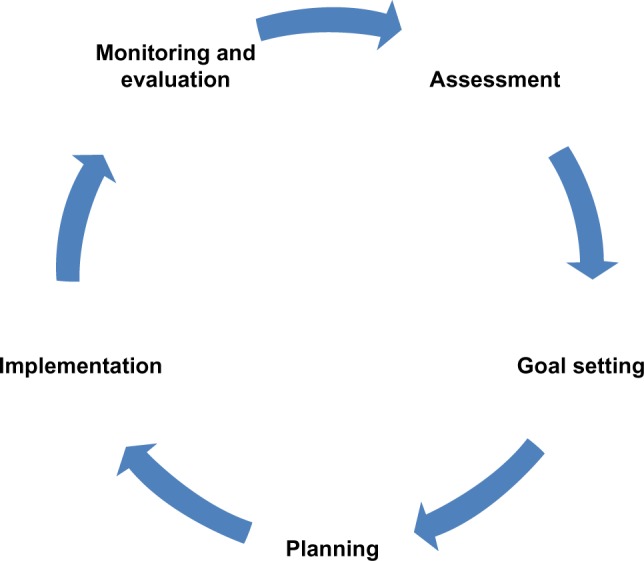
Diabetes is a chronic, progressive disease that affects millions worldwide. The paradigm of diabetes management has shifted to focus on empowering the person with diabetes to manage the disease successfully and to improve their quality of life. Diabetes self-management education is a collaborative process through which people with diabetes gain the knowledge and skills needed to modify their behavior and to self-manage successfully the disease and its related conditions. Diabetes educators are health care professionals who apply in-depth knowledge and skills in the biological and social sciences, communication, counseling, and pedagogy to enable patients to manage daily and future challenges. Diabetes educators are integral in providing individualized education and promoting behavior change, using a framework of seven self-care behaviors known as the AADE7 Self-Care Behaviors™, developed by the American Association of Diabetes Educators. The iterative process of promoting behavior change includes assessment, goal setting, planning, implementation, evaluation, and documentation. Diabetes educators work as part of the patient's health care team to engage with the patient in informed, shared decision making. The increasing prevalence of diabetes and the growing focus on its prevention require strategies for providing people with knowledge, skills, and strategies they need and can use. The diabetes educator is the logical facilitator of change. Access to diabetes education is critically important; incorporating diabetes educators into more and varied practice settings will serve to improve clinical and quality of life outcomes for persons with diabetes.
Keywords: behavior change; diabetes educator; diabetes self-management education; healthcare team.
Figures
References
-
- Centers for Disease Control and Prevention . In: National diabetes fact sheet: National estimates and general information on diabetes and pre-diabetes in the United States, 2011. Services UDoHaH, editor. Atlanta, GA: Centers for Disease Control and Prevention; 2011.
-
- Diabetes Atlas [webpage on the Internet] Brussels: International Diabetes Federation; 2013. [Accessed December 19, 2013]. Available from: http://www.idf.org/diabetesatlas.
-
- UK Progressive Diabetes Study (UKPDS) Group Intensive blood glucose control with sulphonylureas or insulin compared with conventional treatment and risk of complications in patients with type 2 diabetes (UKPDS 33) Lancet. 1998;352(9131):837–853. - PubMed
Publication types
LinkOut - more resources
Full Text Sources
Other Literature Sources
