Portal vein delivery of viral vectors for gene therapy for hemophilia
- PMID: 24557919
- PMCID: PMC4280906
- DOI: 10.1007/978-1-62703-761-7_27
Portal vein delivery of viral vectors for gene therapy for hemophilia
Abstract
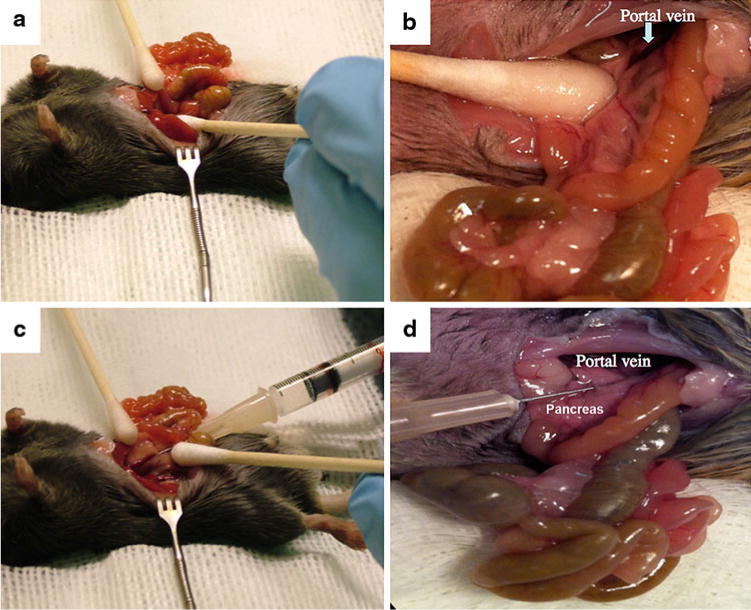
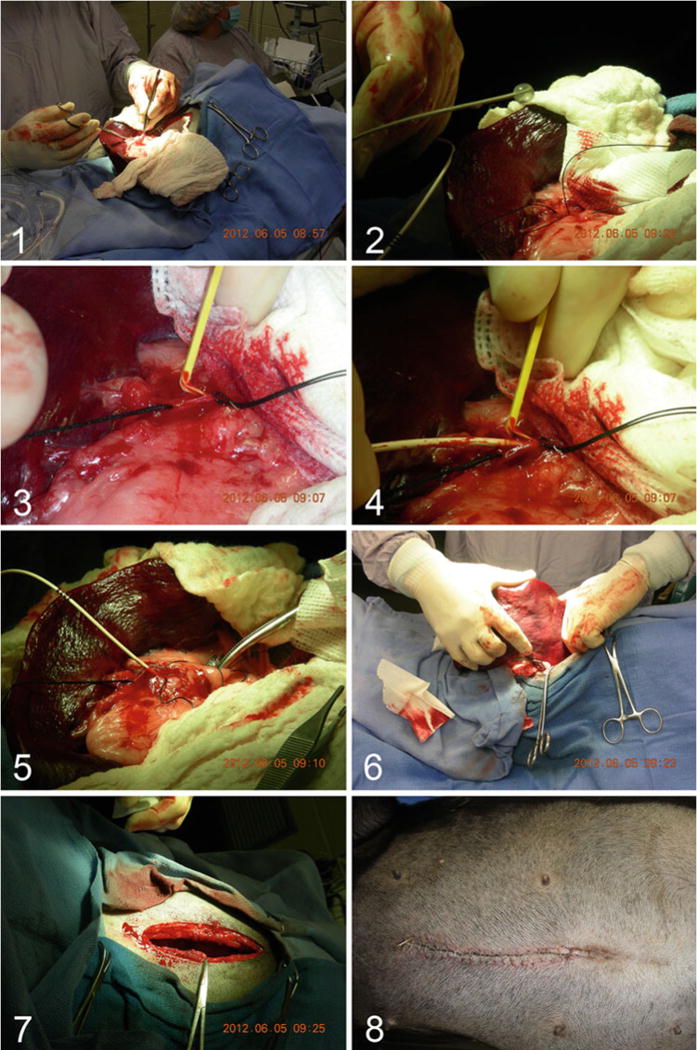
The liver is a very complex organ with a large variety of functions, making it an attractive organ for gene replacement therapy. Many genetic disorders can be corrected by delivering gene products directly into the liver using viral vectors. In this chapter, we will describe gene delivery via portal vein administration in mice and dogs to correct the blood coagulation disorder hemophilia B. Although there are multiple delivery routes for both viral and non-viral vectors in animals, portal vein administration delivers vectors directly and efficiently into the liver. Complete correction of murine hemophilia B and multi-year near-correction of canine hemophilia B have been achieved following portal vein delivery of adeno-associated viral (AAV) vectors expressing factor IX from hepatocyte-specific promoters. Peripheral vein injection can lead to increased vector dissemination to off-target organ such as the lung and spleen. Below, we will describe portal vein injection delivery route via laparotomy.
Figures
References
-
- Sarkar R, Xiao W, Kazazian HH., Jr A single adeno-associated virus (AAV)-murine factor VIII vector partially corrects the hemophilia A phenotype. J Thromb Haemost. 2003;1:220–226. - PubMed
-
- Jiang H, Lillicrap D, Patarroyo-White S, Liu T, Qian X, Scallan CD, Powell S, Keller T, McMurray M, Labelle A, Nagy D, Vargas JA, Zhou S, Couto LB, Pierce GF. Multiyear therapeutic benefit of AAV serotypes 2, 6, and 8 delivering factor VIII to hemophilia A mice and dogs. Blood. 2006;108:107–115. - PubMed
-
- Mount JD, Herzog RW, Tillson DM, Goodman SA, Robinson N, McCleland ML, Bellinger D, Nichols TC, Arruda VR, Lothrop CD, Jr, High KA. Sustained phenotypic correction of hemophilia B dogs with a factor IX null mutation by liver-directed gene therapy. Blood. 2002;99:2670–2676. - PubMed
MeSH terms
Substances
Grants and funding
LinkOut - more resources
Full Text Sources
Other Literature Sources
Medical