


Cellular phenotype and extracellular vesicles: basic and clinical considerations
- PMID: 24564699
- PMCID: PMC4066231
- DOI: 10.1089/scd.2013.0594
Cellular phenotype and extracellular vesicles: basic and clinical considerations
Abstract
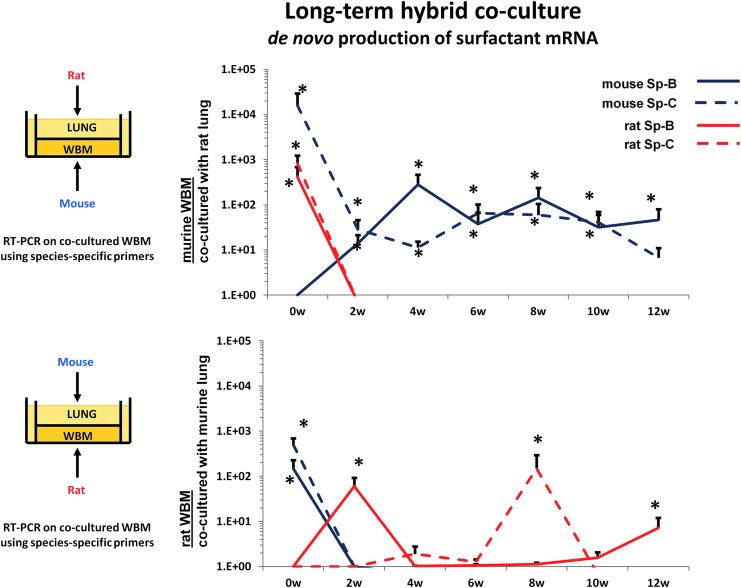
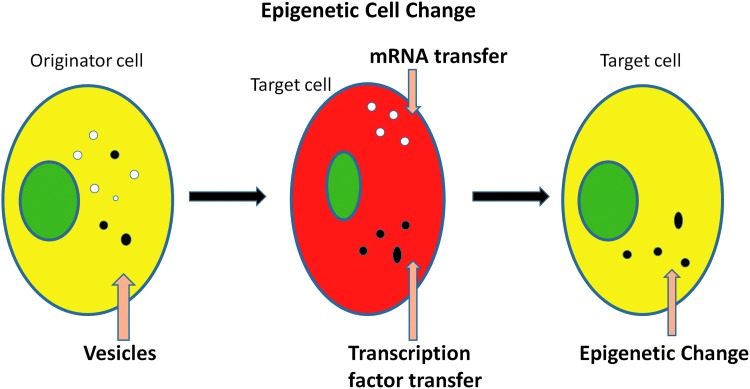
Early work on platelet and erythrocyte vesicles interpreted the phenomena as a discard of material from cells. Subsequently, vesicles were studied as possible vaccines and, most recently, there has been a focus on the effects of vesicles on cell fate. Recent studies have indicated that extracellular vesicles, previously referred to as microvesicles or exosomes, have the capacity to change the phenotype of neighboring cells. Extensive work has shown that vesicles derived from either the lung or liver can enter bone marrow cells (this is a prerequisite) and alter their fate toward that of the originating liver and lung tissue. Lung vesicles interacted with bone marrow cells result in the bone marrow cells expressing surfactants A-D, Clara cell protein, and aquaporin-5 mRNA. In a similar vein, liver-derived vesicles induce albumin mRNA in target marrow cells. The vesicles contain protein, mRNA, microRNA, and noncoding RNA and variably some DNA. This genetic package is delivered to cells and alters the phenotype. Further studies have shown that initially the altered phenotype is due to the transfer of mRNA and a transcriptional modulator, but long-term epigenetic changes are induced through transfer of a transcriptional factor, and the mRNA is rapidly degraded in the cell. Studies on the capacity of vesicles to restore injured tissue have been quite informative. Mesenchymal stem cell-derived vesicles are able to reverse the injury to the damaged liver and kidney. Other studies have shown that mesenchymal stem cell-derived vesicles can reverse radiation toxicity of bone marrow stem cells. Extracellular vesicles offer an intriguing strategy for treating a number of diseases characterized by tissue injury.
Figures
References
-
- Heijnen HF, Schiel AE, Fijnheer R, Geuze HJ. and Sixma JJ. (1999). Activated platelets release two types of membrane vesicles: microvesicles by surface shedding and exosomes derived from exocytosis of multivesicular bodies and alpha-granules. Blood 94:3791–3799 - PubMed
-
- Johnstone RM, Adam M, Hammond JR, Orr L. and Turbide C. (1987). Vesicle formation during reticulocyte maturation. Association of plasma membrane activities with released vesicles (exosomes). J Biol Chem 262:9412–9420 - PubMed
-
- Zitvogel L, Regnault A, Lozier A, Wolfers J, Flament C, Tenza D, Ricciardi-Castagnoli P, Raposo G. and Amigorena S. (1998). Eradication of established murine tumors using a novel cell-free vaccine: dendritic cell-derived exosomes. Nat Med 4:594–600 - PubMed
-
- Denzer K, Kleijmeer MJ, Heijnen HF, Stoorvogel W. and Geuze HJ. (2000). Exosome: from internal vesicle of the multivesicular body to intercellular signaling device. J Cell Sci 19:3365–3374 - PubMed
-
- Théry C, Zitvogel L. and Amigorena S. (2002). Exosomes: composition, biogenesis and function. Nat Rev Immunol 8:569–579 - PubMed
MeSH terms
Substances
Grants and funding
LinkOut - more resources
Full Text Sources
Other Literature Sources
