


The potential of heparanase as a therapeutic target in cancer
- PMID: 24565907
- PMCID: PMC4709407
- DOI: 10.1016/j.bcp.2014.02.010
The potential of heparanase as a therapeutic target in cancer
Abstract
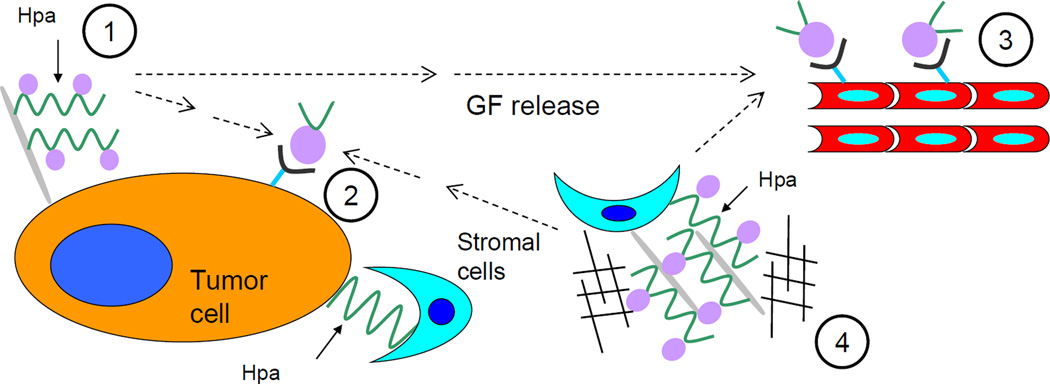
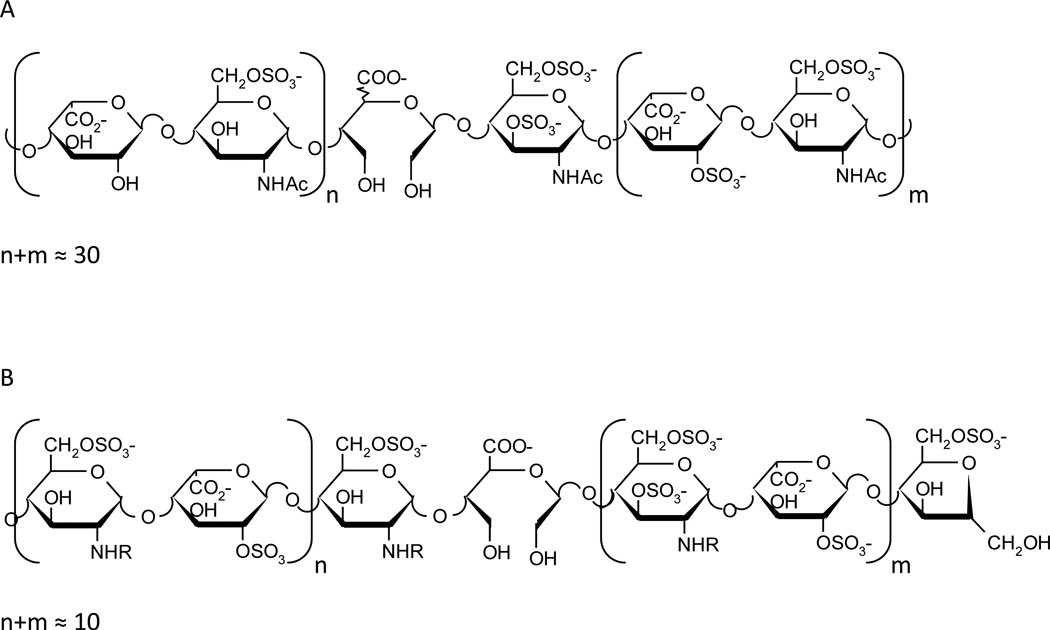
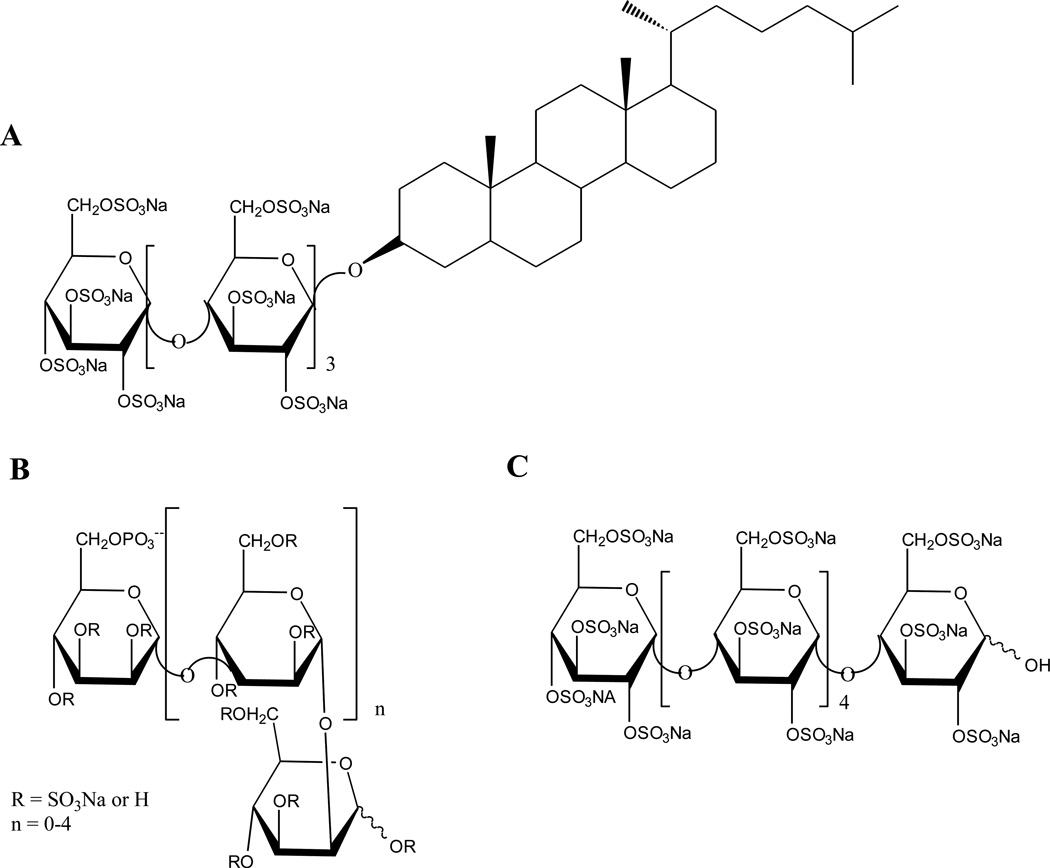
Heparanase has generated substantial interest as therapeutic target for antitumor therapy, because its activity is implicated in malignant behavior of cancer cells and in tumor progression. Increased heparanase expression was found in numerous tumor types and correlates with poor prognosis. Heparanase, an endoglucuronidase responsible for heparan sulfate cleavage, regulates the structure and function of heparan sulfate proteoglycans, leading to disassembly of the extracellular matrix. The action of heparanase is involved in multiple regulatory events related, among other effects, to augmented bioavailability of growth factors and cytokines. Inhibitors of heparanase suppress tumor growth, angiogenesis and metastasis by modulating growth factor-mediated signaling, ECM barrier function and cell interactions in the tumor microenvironment. Therefore, targeting heparanase has potential implications for anti-tumor, anti-angiogenic and anti-inflammatory therapies. Current approaches for heparanase inhibition include development of chemically modified heparins, small molecule inhibitors and neutralizing antibodies. The available evidence supports the emerging utility of heparanase inhibition as a promising antitumor strategy, specifically in rational combination with other agents. The recent studies with compounds designed to block heparanase (e.g., modified heparins) provide a rational basis for their therapeutic application and optimization.
Keywords: Antitumor therapy; Drug target; Heparanase; Heparanase inhibitors.
Copyright © 2014 Elsevier Inc. All rights reserved.
Figures
References
-
- Li RW, Freeman C, Yu D, Hindmarsh EJ, Tymms KE, Parish CR, et al. Dramatic regulation of heparanase activity and angiogenesis gene expression in synovium from patients with rheumatoid arthritis. Arthritis and Rheumatism. 2008;58:1590–1600. - PubMed
-
- Osterholm C, Folkersen L, Lengquist M, Ponten F, Renne T, Li J, et al. Increased expression of heparanase in symptomatic carotid atherosclerosis. Atherosclerosis. 2013;226:67–73. - PubMed
-
- Parish CR, Freeman C, Ziolkowski AF, He YQ, Sutcliffe EL, Zafar A, et al. Unexpected new roles for heparanase in Type 1 diabetes and immune gene regulation. Matrix Biol. 2013;32:228–233. - PubMed
Publication types
MeSH terms
Substances
Grants and funding
LinkOut - more resources
Full Text Sources
Other Literature Sources
