. 2014 Jul;17(3):661-73.
doi: 10.1007/s10456-014-9422-9. Epub 2014 Feb 26.

Analysis of acquired resistance to metronomic oral topotecan chemotherapy plus pazopanib after prolonged preclinical potent responsiveness in advanced ovarian cancer

Affiliations

Analysis of acquired resistance to metronomic oral topotecan chemotherapy plus pazopanib after prolonged preclinical potent responsiveness in advanced ovarian cancer

William Cruz-Muñoz et al. Angiogenesis. 2014 Jul.

Abstract

An alternative or follow-up adjunct to conventional maximum tolerated dose (MTD) chemotherapy now in advanced phase III clinical trial assessment is metronomic chemotherapy--the close regular administration of low doses of drug with no prolonged breaks. A number of preclinical studies have shown metronomic chemotherapy can cause long term survival of mice with advanced cancer, including metastatic disease, in the absence of overt toxicity, especially when combined with targeted antiangiogenic drugs. However, similar to MTD chemotherapy acquired resistance eventually develops, the basis of which is unknown. Using a preclinical model of advanced human ovarian (SKOV-3-13) cancer in SCID mice, we show that acquired resistance can develop after terminating prolonged (over 3 months) successful therapy utilizing daily oral metronomic topotecan plus pazopanib, an oral antiangiogenic tyrosine kinase inhibitor (TKI). Two resistant sublines were isolated from a single mouse, one from a solid tumor (called KH092-7SD, referred to as 7SD) and another from ascites tumor cells (called KH092-7AS, referred to as 7AS). Using these sublines we show acquired resistance to the combination treatment is due to tumor cell alterations that confer relative refractoriness to topotecan. The resistant phenotype is heritable, associated with reduced cellular uptake of topotecan and could not be reversed by switching to MTD topotecan or to another topoisomerase-1 inhibitor, CPT-11, given either in a metronomic or MTD manner nor switching to another antiangiogenic drug, e.g. the anti-VEGFR-2 antibody, DC101, or another TKI, sunitinib. Thus, in this case cross resistance seems to exist between MTD and metronomic topotecan, the basis of which is unknown. However, gene expression profiling revealed several potential genes that are stably upregulated in the resistant lines, that previously have been implicated in resistance to various chemotherapy drugs, and which, therefore, may contribute to the drug resistant phenotype.


Figures
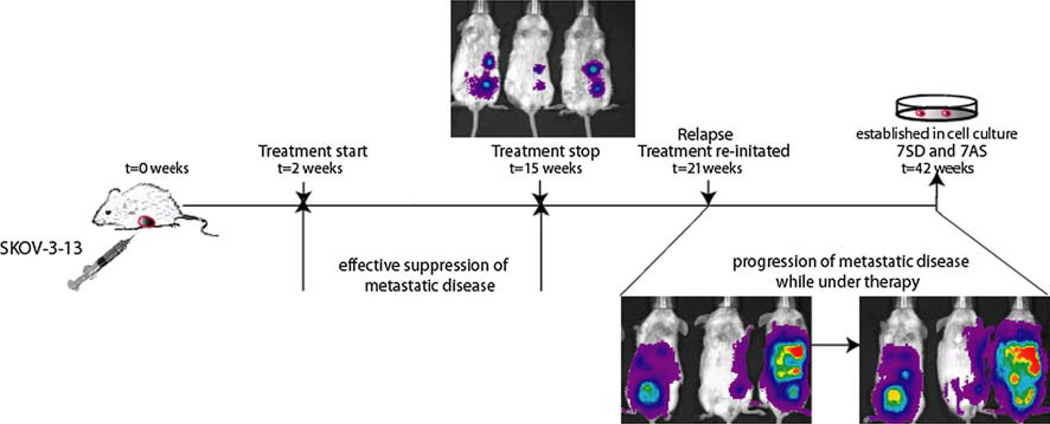
Fig. 1
Fig. 1
Schematic representation of protocol used to derive topotecan/pazopanib resistant ovarian cancer variants 7SD and 7AS using the SKOV-3-13 cell line as a starting point. Mice were treated with metronomic topotecan plus pazopanib for 13 weeks. Six weeks after cessation of treatment, tumor growth began to recur. At this time, treatment was re-initiated but mice failed to respond to the therapy
Fig. 2
Fig. 2
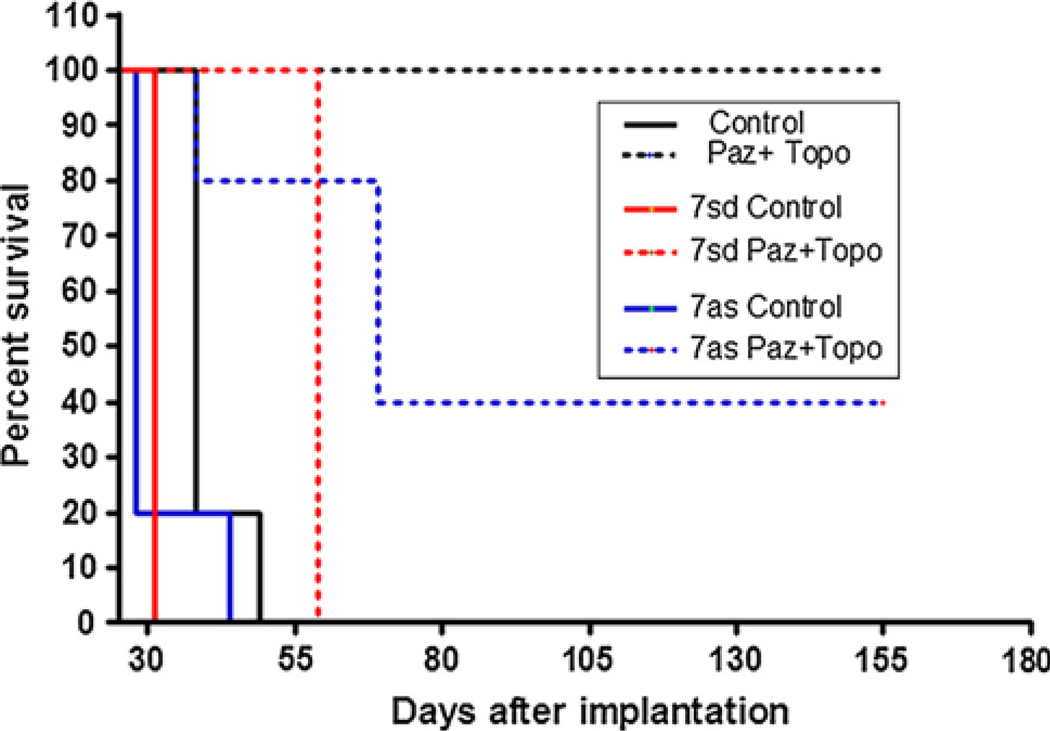
As previously reported [13], a combination of metronomic topotecan and pazopanib inhibited progression of metastatic disease in mice implanted with the SKOV-3-13 cell line. However, mice implanted with variants −7SD or −7AS and treated with the same combination chemotherapy, showed a shorter median survival (n = 5 mice for all groups, Kaplan–Meier P < 0.05 taken as statistical indication of difference between parental and 7AS and 7SD)
Fig. 3
Fig. 3
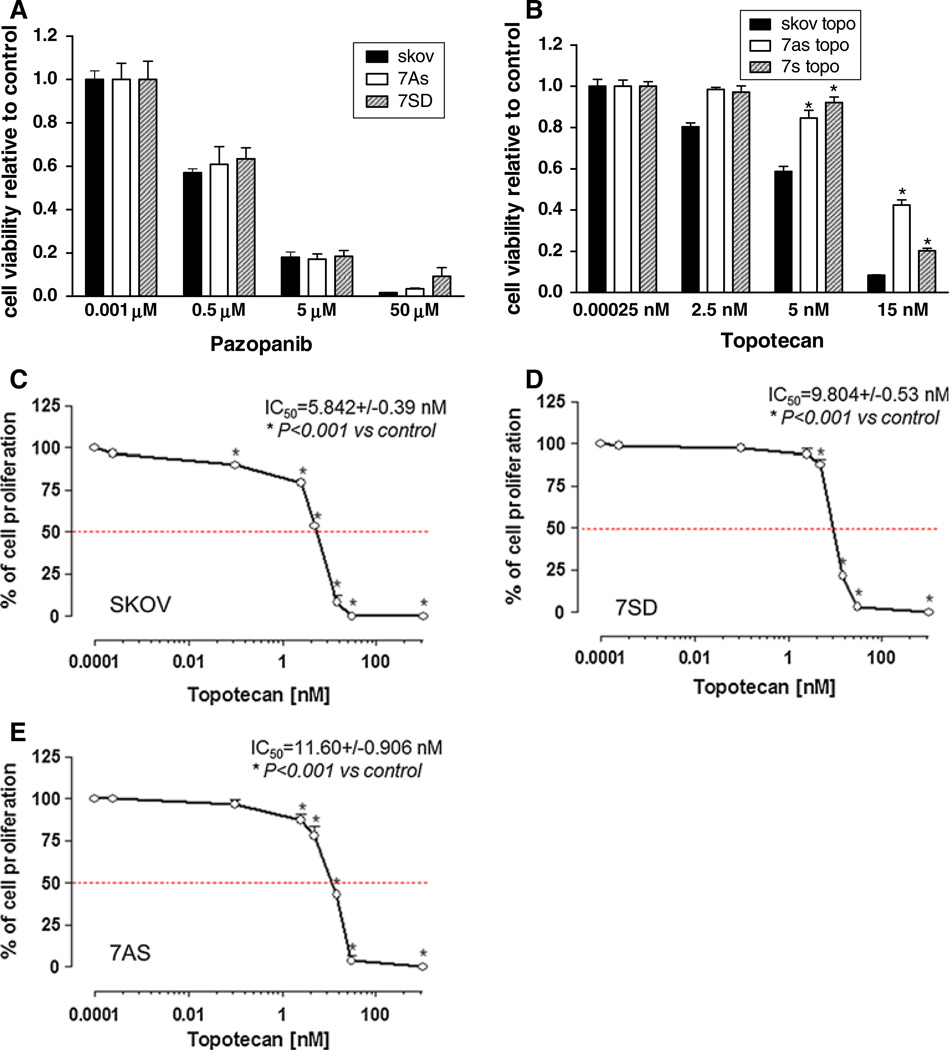
Effect of topotecan (a) and Pazopanib (b), on in vitro cell proliferation by MTS assay. The anti-proliferative effects of the drugs were studied using daily exposures (144 h) on SKOV-3-13 (c), 7SD (d) and 7AS (e) cell lines by trypan blue dye exclusion. Both7AS and 7SD showed significantly higher cell viability in the presence of topotecan than was the case for their parental cell line SKOV-3-13. Symbols and bars indicate mean values ± SD, respectively. *P < 0.05 and **P < .01 versus vehicle-treated controls. IC50 indicates the concentration of drug that reduced cell proliferation by 50 %
Fig. 4
Fig. 4
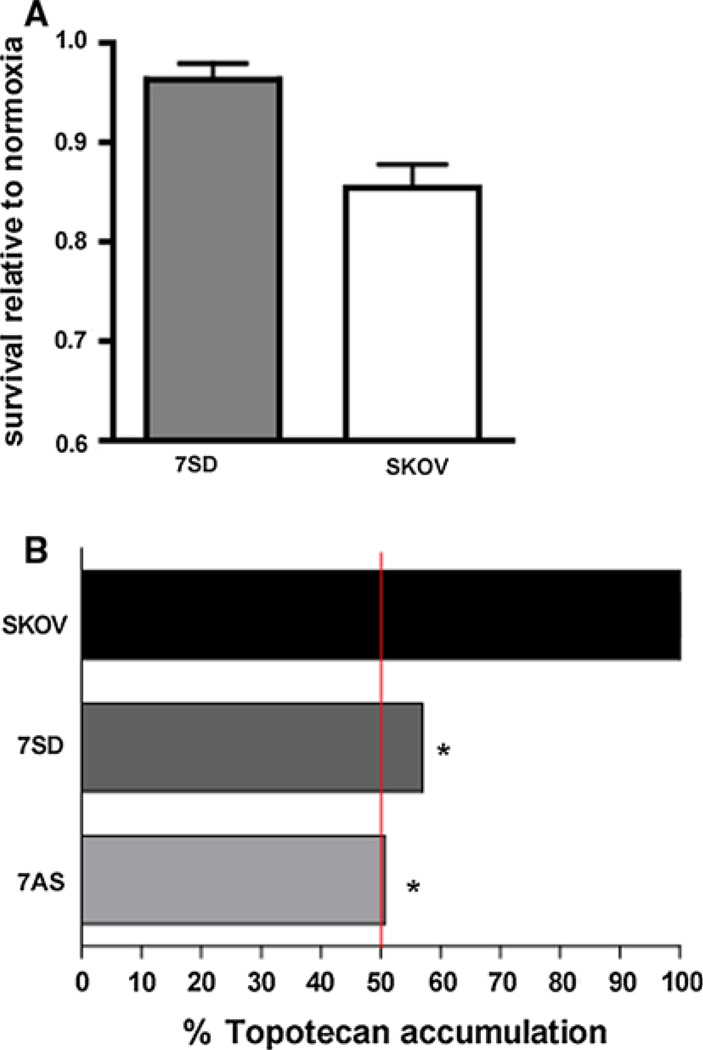
a SKOV-3-13 and 7SD cells were cultured in vitro for 144 h in the presence of a combination of topotecan/pazopanib and under either normoxic or hypoxic (1 % O2) conditions. Cell viability was examined by means of MTS assay. Values for cell viability in hypoxic conditions are expressed relative to their respective values in normoxic conditions. The parental cell line SKOV-3-13 showed poorer cell viability under hypoxia and topotecan/pazopanib treatment than the resistant variant 7SD. b Accumulation of topotecan in SKOV-3-13, 7AS and 7SD cell lines after exposure to 1 µM topotecan. Columns and bars indicate mean values ± SD, respectively. *P < .001 versus SKOV cell line
Fig. 5
Fig. 5
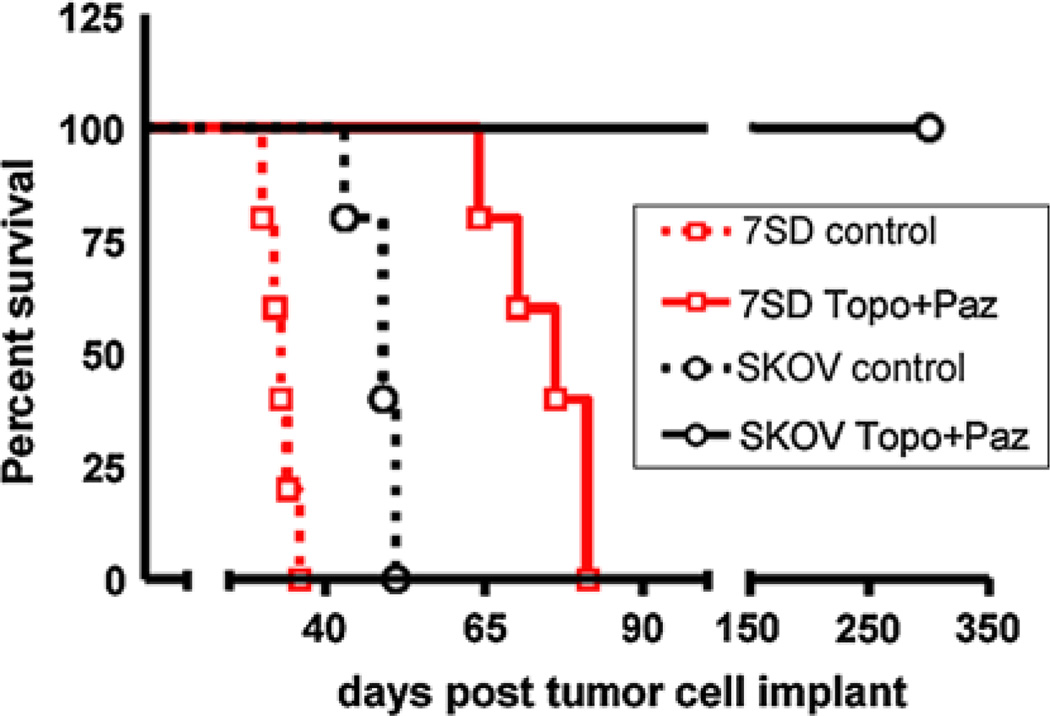
Subsequent passages of variant 7SD and parental SKOV-3-13 were re-implanted as described above in SCID mice and treated with the combination of metronomic topotecan and pazopanib. As before, mice implanted with SKOV-3-13 cell line continued to show significant response to the combination resulting in complete survival (even 350 days post-tumor cell implantation) and those implanted with resistant variant 7SD showed poorer response (P < 0.05, n = 5 mice for all groups)
Fig. 6
Fig. 6
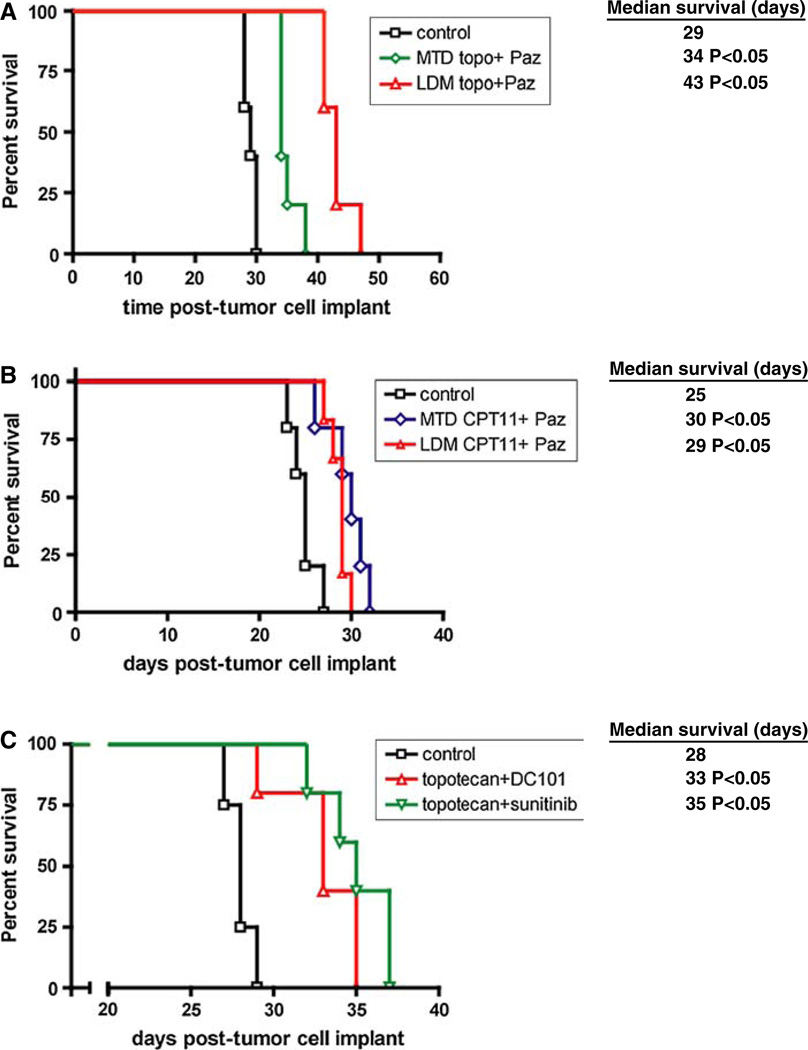
Examination of the effect of chemotherapeutic switching on survival of mice implanted with the resistant variant 7SD. a The use of MTD topotecan regimen (while maintaining pazopanib) translated into minimal improvement in survival in mice implanted with 7SD variant cell line. b Switching to CPT11 either in MTD or metronomic regimen plus pazopanib showed minimal efficacy in the survival. c Switching of the antiangiogenic component of the combination therapy to either DC101 or sunitinib in combination with metronomic topotecan failed to show the significant effect in survival previously noted in the SKOV-3-13 chemo-sensitive model. (n = 5 mice for all groups P < 0.05)
Fig. 7
Fig. 7
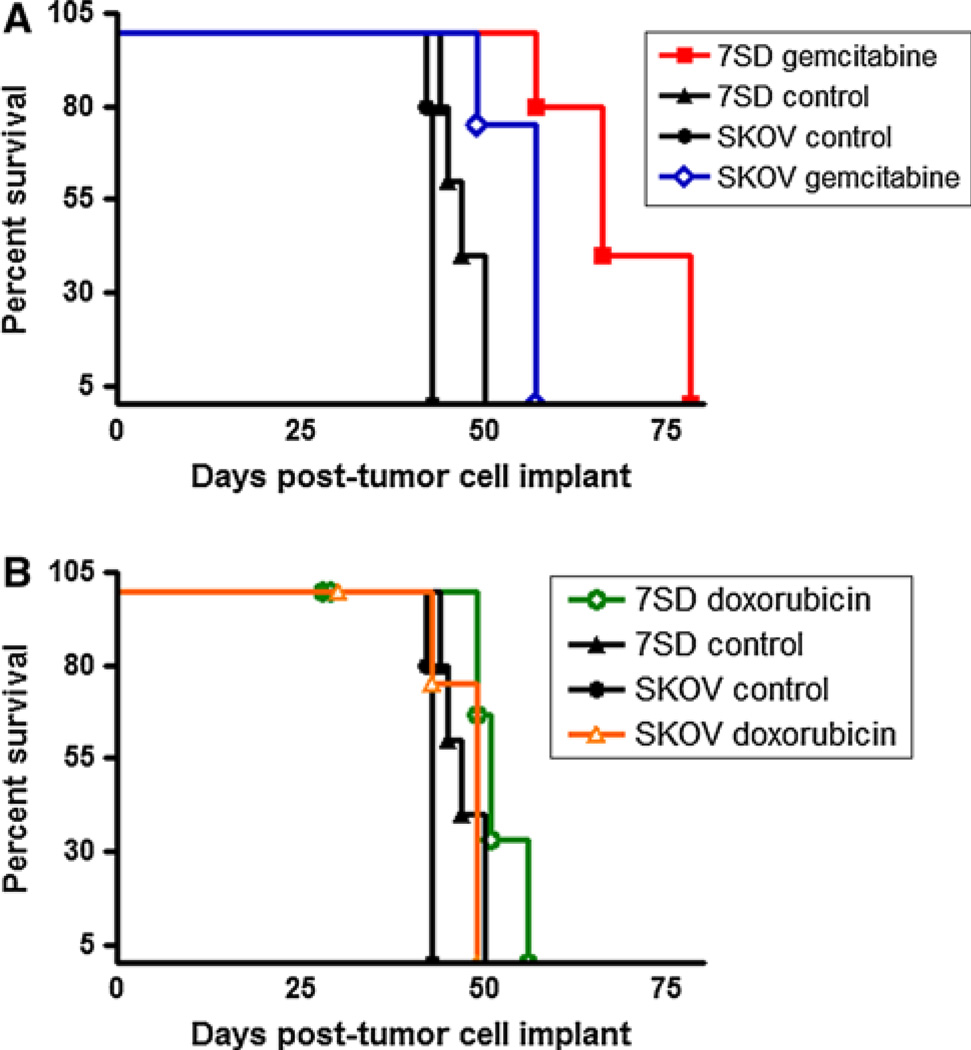
Examination of the effect of chemo-switching. a Gemcitabine treatment (58 mg/kg, 2× per week, ip) showed significant improvement in survival in mice implanted with either SKOV-3-13 or 7SD (P < 0.05; n = 5 for control and gemcitabine treatment). b Doxorubicin treatment (2 mg/kg, day 1 and 5; 21 day cycles) mediated a minimal but statistically significant improvement in survival in mice implanted with either SKOV-3-13 (P < 0.05; n = 5 for control and doxorubicin treatment). A minimal improvement in survival was noted in mice implanted with 7SD and treated with doxorubicin (51 and 47 days for treatment and control groups), however, this did not reach statistical significance
Fig. 8
Fig. 8
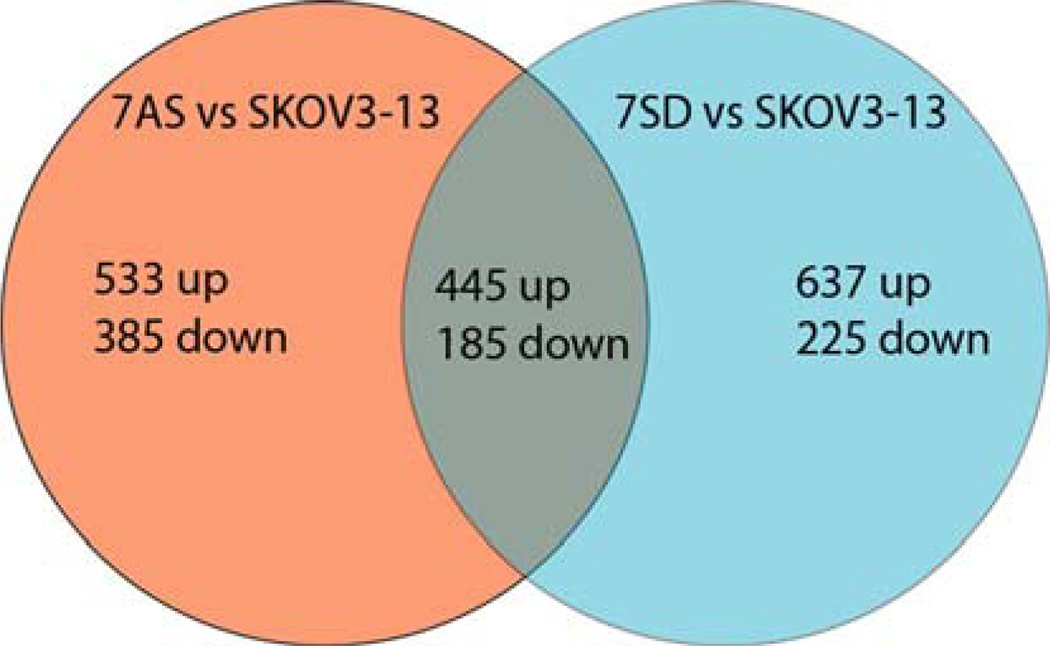
Venn diagram outlining the extent of gene expression similarities in the microarray analysis of topotecan/pazopanib resistant variants 7SD and 7AS versus the parental SKOV-3-13 cell line
Fig. 9
Fig. 9
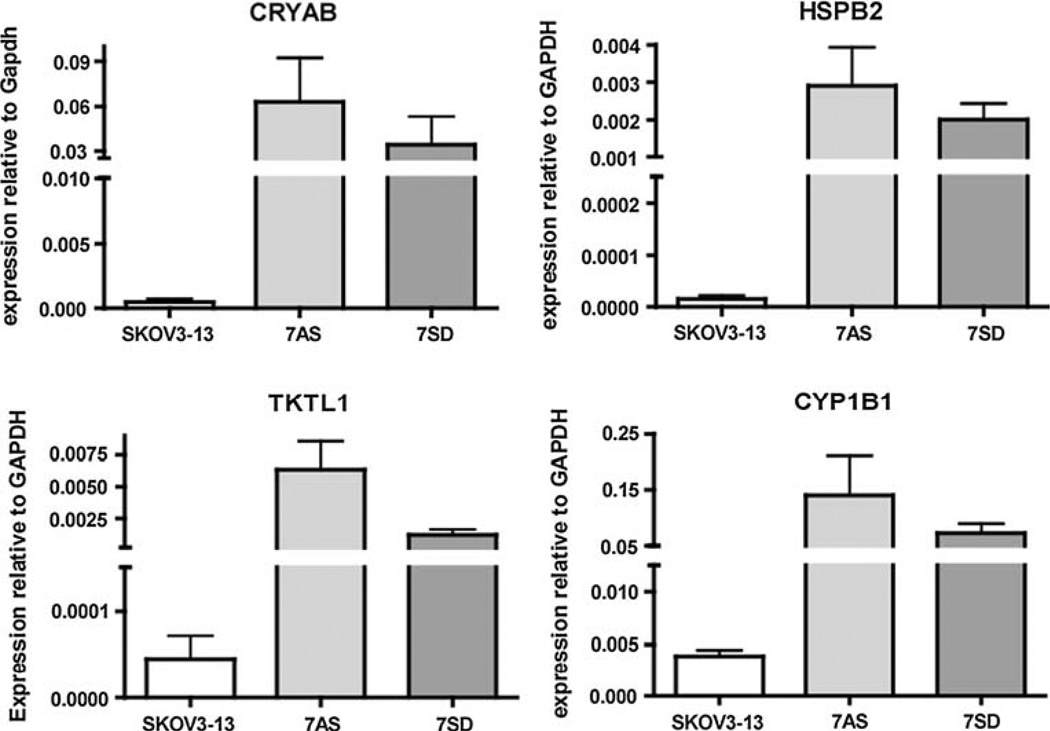
Q-RTPCR confirmation of upregulation of CRYAB, HSPB2, TKTL1 and CYP1B1 in the topotecan/pazopanib resistant variants 7SD and 7AS

References

    1. Kerbel RS, Kamen BA. The anti-angiogenic basis of metronomic chemotherapy. Nat Rev Cancer. 2004;4(6):423–436. - PubMed
    1. Pasquier E, Kavallaris M, Andre N. Metronomic chemotherapy: new rationale for new directions. Nat Rev Clin Oncol. 2010;7(8):455–465. - PubMed
    1. Rapisarda A, et al. Schedule-dependent inhibition of hypoxia-inducible factor-1alpha protein accumulation, angiogenesis, and tumor growth by topotecan in U251-HRE glioblastoma xenografts. Cancer Res. 2004;64(19):6845–6848. - PubMed
    1. Lee K, et al. Anthracycline chemotherapy inhibits HIF-1 transcriptional activity and tumor-induced mobilization of circulating angiogenic cells. Proc Natl Acad Sci USA. 2009;106(7):2353–2358. - PMC - PubMed
    1. Folkins C, et al. Glioma tumor stem-like cells promote tumor angiogenesis and vasculogenesis via vascular endothelial growth factor and stromal-derived factor 1. Cancer Res. 2009;69(18):7243–7251. - PMC - PubMed

Publication types

MeSH terms