


Clinical analysis of cause, treatment and prognosis in acute kidney injury patients
- PMID: 24586237
- PMCID: PMC3931618
- DOI: 10.1371/journal.pone.0085214
Clinical analysis of cause, treatment and prognosis in acute kidney injury patients
Abstract
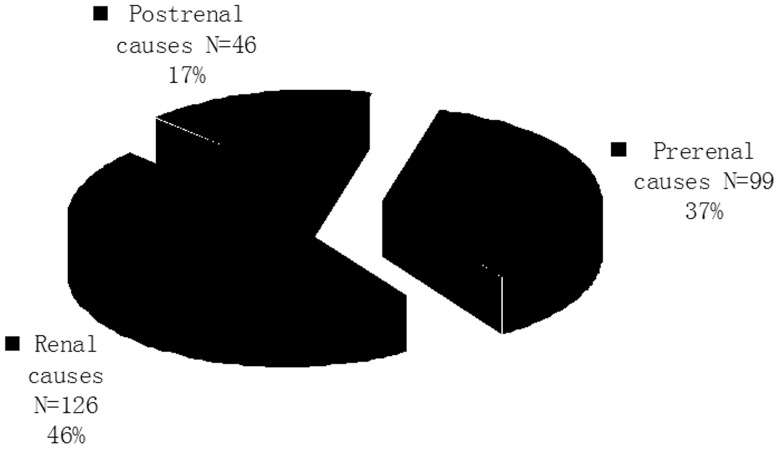
Acute kidney injury (AKI) is characterized by an abrupt decline in renal function, resulting in an inability to secrete waste products and maintain electrolyte and water balance, and is associated with high risks of morbidity and mortality. This study retrospectively analyzed clinical data, treatment, and prognosis of 271 hospitalized patients (172 males and 99 females) diagnosed with AKI from December, 2008 to December, 2011. In addition, this study explored the association between the cause of AKI and prognosis, severity and treatment of AKI. The severity of AKI was classified according to the Acute Kidney Injury Network (AKIN) criteria. Renal recovery was defined as a decrease in a serum creatinine level to the normal value. Prerenal, renal, and postrenal causes accounted for 36.5% (99 patients), 46.5% (126 patients) and 17.0% (46 patients), respectively, of the incidence of AKI. Conservative, surgical, and renal replacement treatments were given to 180 (66.4%), 30 (11.1%) and 61 patients (22.5%), respectively. The overall recovery rate was 21.0%, and the mortality rate was 19.6%. Levels of Cl(-), Na(+) and carbon dioxide combining power decreased with increasing severity of AKI. Cause and treatment were significantly associated with AKI prognosis. Likewise, the severity of AKI was significantly associated with cause, treatment and prognosis. Multivariate logistic regression analysis found that respiratory injury and multiple organ dysfunction syndrome (MODS) were associated with AKI patient death. Cause, treatment and AKIN stage are associated with the prognosis of AKI. Respiratory injury and MODS are prognostic factors for death of AKI patients.
Conflict of interest statement
Figures
References
MeSH terms
Substances
LinkOut - more resources
Full Text Sources
Other Literature Sources
Medical
