


The transcervical approach for parapharyngeal space pleomorphic adenomas: indications and technique
- PMID: 24587286
- PMCID: PMC3937375
- DOI: 10.1371/journal.pone.0090210
The transcervical approach for parapharyngeal space pleomorphic adenomas: indications and technique
Abstract
Background: Head and Neck Parapharyngeal space tumors are rare. Pleomorphic Adenomas are the most common Parapharyngeal space tumors. The purpose of this study was to define preoperative criteria for enabling full extirpation of parapharyngeal space pleomorphic adenomas via the transcervical approach while minimizing functional and cosmetic morbidity.
Methods: The surgical records and medical charts of 19 females and 10 males with parapharyngeal space pleomorphic adenomas operated between 1993 and 2012 were reviewed.
Results: Fifteen patients were operated by a simple transcervical approach, 13 by a transparotid transcervical approach, and one by a transmandibular transcervical approach. Complications included facial nerve paralysis, infection, hemorrhage and first bite syndrome. There were three recurrences, but neither recurrence nor complications were associated with the type of surgical approach.
Conclusion: A simple transcervical approach is preferred for parapharyngeal space pleomorphic adenomas with narrow attachments to the deep lobe of the parotid gland and for pleomorphic adenomas originating in a minor salivary gland within the parapharyngeal space.
Conflict of interest statement
Figures
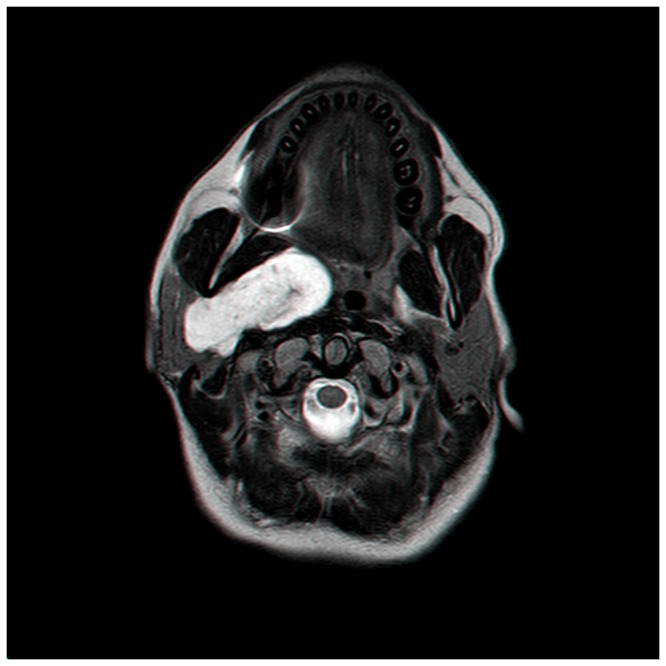
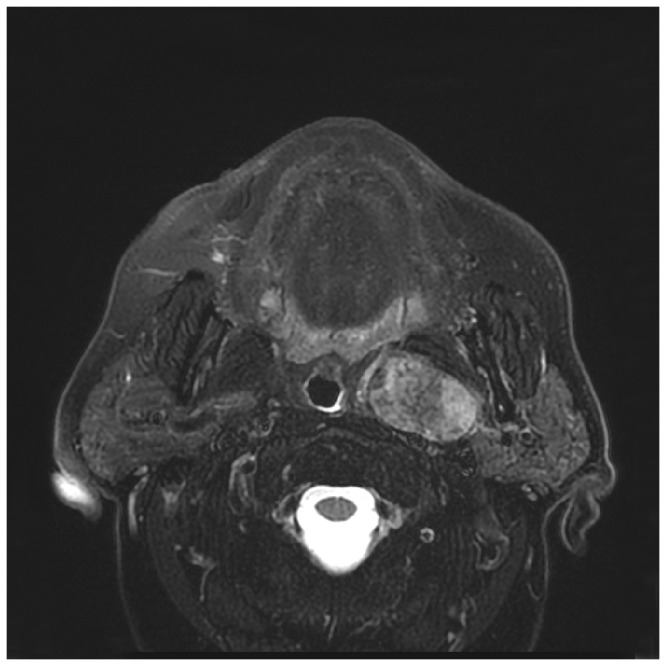
References
-
- Bass RM (1982) Approaches to the diagnosis and treatment of tumors of the parapharyngeal space. Head Neck Surg 4: 281–289. - PubMed
-
- Gaughran GR (1959) The lateral pharyngeal cleft. Ann Otol Rhinol Laryngol 68: 1082–1096. - PubMed
-
- Shoss SM, Donovan DT, Alford BR (1985) Tumors of the parapharyngeal space. Arch Otolaryngol 111: 753–757. - PubMed
-
- Carrau RL, Myers EN, Johnson JT (1990) Management of tumors arising in the parapharyngeal space. Laryngoscope 100: 583–589. - PubMed
-
- Infante-Cossio P, Gonzalez-Cardero E, Gonzalez-Perez LM, Leopoldo-Rodado M, Garcia-Perla A, et al. (2011) Management of parapharyngeal giant pleomorphic adenoma. Oral Maxillofac Surg 15: 211–216. - PubMed
Publication types
MeSH terms
LinkOut - more resources
Full Text Sources
Other Literature Sources
Medical
