


An overview of poly(lactic-co-glycolic) acid (PLGA)-based biomaterials for bone tissue engineering
- PMID: 24590126
- PMCID: PMC3975359
- DOI: 10.3390/ijms15033640
An overview of poly(lactic-co-glycolic) acid (PLGA)-based biomaterials for bone tissue engineering
Abstract
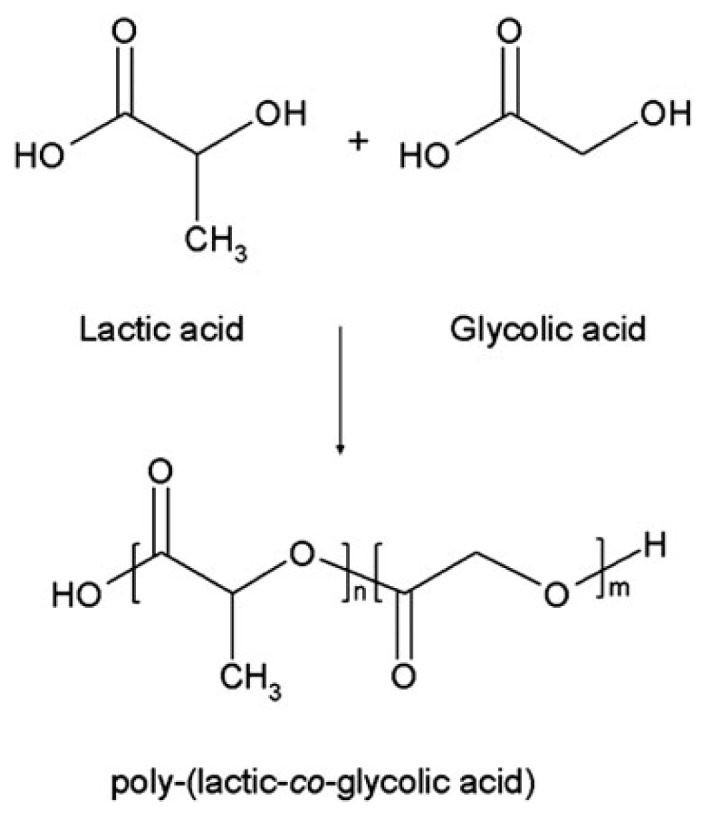
Poly(lactic-co-glycolic) acid (PLGA) has attracted considerable interest as a base material for biomedical applications due to its: (i) biocompatibility; (ii) tailored biodegradation rate (depending on the molecular weight and copolymer ratio); (iii) approval for clinical use in humans by the U.S. Food and Drug Administration (FDA); (iv) potential to modify surface properties to provide better interaction with biological materials; and (v) suitability for export to countries and cultures where implantation of animal-derived products is unpopular. This paper critically reviews the scientific challenge of manufacturing PLGA-based materials with suitable properties and shapes for specific biomedical applications, with special emphasis on bone tissue engineering. The analysis of the state of the art in the field reveals the presence of current innovative techniques for scaffolds and material manufacturing that are currently opening the way to prepare biomimetic PLGA substrates able to modulate cell interaction for improved substitution, restoration, or enhancement of bone tissue function.
Figures
References
-
- Ferrone M.L., Raut C.P. Modern surgical therapy: Limb salvage and the role of amputation for extremity soft-tissue sarcomas. Surg. Oncol. Clin. N. Am. 2012;21:201–213. - PubMed
-
- Martou G., Antonyshyn O.M. Advances in surgical approaches to the upper facial skeleton. Curr. Opin. Otolaryngol. Head Neck Surg. 2011;19:242–247. - PubMed
-
- Stevens M.M. Biomaterials for bone tissue engineering. Mater. Today. 2008;11:18–25.
Publication types
MeSH terms
Substances
LinkOut - more resources
Full Text Sources
Other Literature Sources
