


A cognitive behavioral therapy-based text messaging intervention for methamphetamine dependence
- PMID: 24592670
- PMCID: PMC3950942
- DOI: 10.1080/02791072.2013.847995
A cognitive behavioral therapy-based text messaging intervention for methamphetamine dependence
Abstract
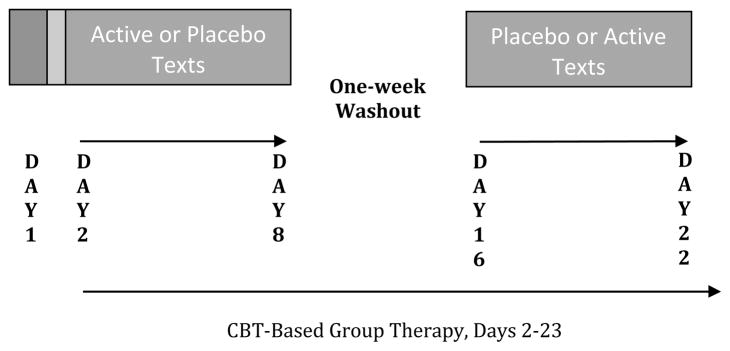
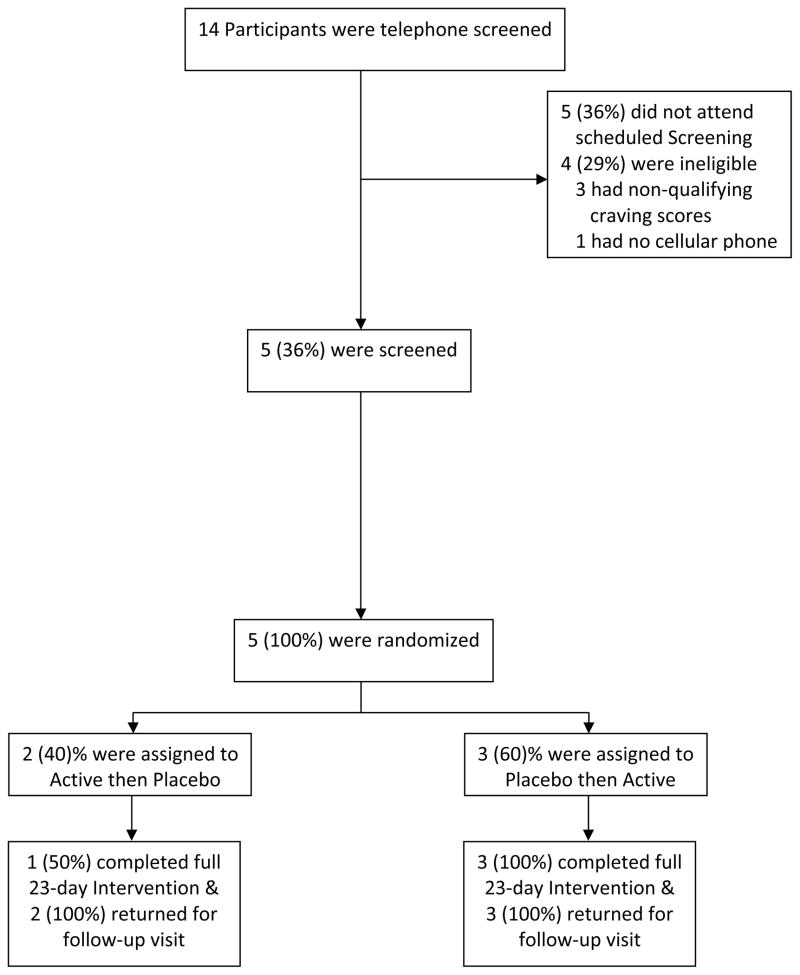
Psychosocial treatments for methamphetamine dependence are of limited effectiveness. Thus, a significant need exists for add-on therapy for this substance user disorder. The aim of this study was to develop and test a novel text messaging intervention for use as an adjunct to cognitive behavioral group therapy for methamphetamine users. Text messaging has the potential to support patients in real-time, around the clock. We convened two meetings of an expert panel, held three focus groups in current and former users, and conducted 15 semi-structured interviews with in-treatment users in order to develop a fully automated, cognitive behavioral therapy-based text messaging intervention. We then conducted a randomized, crossover pre-test in five users seeking treatment. Participants' ratings of ease of use and functionality of the system were high. During the pre-test, we performed real-time assessments via text messaging on daily methamphetamine use, craving levels, and the perceived usefulness of messages; 79% of scheduled assessments were collected. The odds of messages being rated as "very" or "extremely" useful were 6.6 times (95% CI: 2.2, 19.4) higher in the active vs. placebo periods. The intervention is now ready for testing in randomized clinical trials.
Conflict of interest statement
Figures
References
-
- Agyapong VI, Ahern S, McLoughlin DM, Farren CK. Supportive text messaging for depression and comorbid alcohol use disorder: Single-blind randomised trial. Journal of Affective Disorders. 2012 Dec 10;141(2–3):168–76. - PubMed
-
- Bechara A, Damasio H. Decision-making and addiction (part I): Impaired activation of somatic states in substance dependent individuals when pondering decisions with negative future consequences. Neuropsychologia. 2002;40(10):1675–89. - PubMed
-
- Bechara A, Dolan S, Denburg N, Hindes A, Anderson SW, Nathan PE. Decision-making deficits, linked to a dysfunctional ventromedial prefrontal cortex, revealed in alcohol and stimulant abusers. Neuropsychologia. 2001;39(4):376–89. - PubMed
-
- Borland R, Balmford J, Benda P. Population-level effects of automated smoking cessation help programs: A randomized controlled trial. Addiction (Abingdon, England) 2013 Mar;108(3):618–28. - PubMed
-
- Brendryen H, Kraft P, Schaalma H. Looking inside the black box: Using intervention mapping to describe the development of the automated smoking cessation intervention ‘happy ending’. Journal of Smoking Cessation. 2010;5(1):29.
Publication types
MeSH terms
Substances
Grants and funding
LinkOut - more resources
Full Text Sources
Other Literature Sources
Medical