


Alcohol, tobacco, and drug use among emergency department patients
- PMID: 24594289
- PMCID: PMC4030520
- DOI: 10.1016/j.drugalcdep.2014.01.025
Alcohol, tobacco, and drug use among emergency department patients
Abstract
Background: The prevalence of alcohol, tobacco, and other drug (ATOD) use among emergency department (ED) patients is high and many of these patients have unrecognized and unmet substance use treatment needs. Identification of patients in the ED with problem substance use is not routine at this time.
Methods: We examined screening data, including standardized measures of ATOD use (HSI, AUDIT-C, DAST-10), from 14,866 ED patients in six hospitals across the United States. We expected younger age, male gender, higher triage acuity, and other substance use severity (ATOD) to be associated both with use versus abstinence and with severity of each substance use type. We used negative binomial hurdle models to examine the association between covariates and (1) substance use versus abstinence (logistic submodel) and with (2) severity among those who used substances (count submodel).
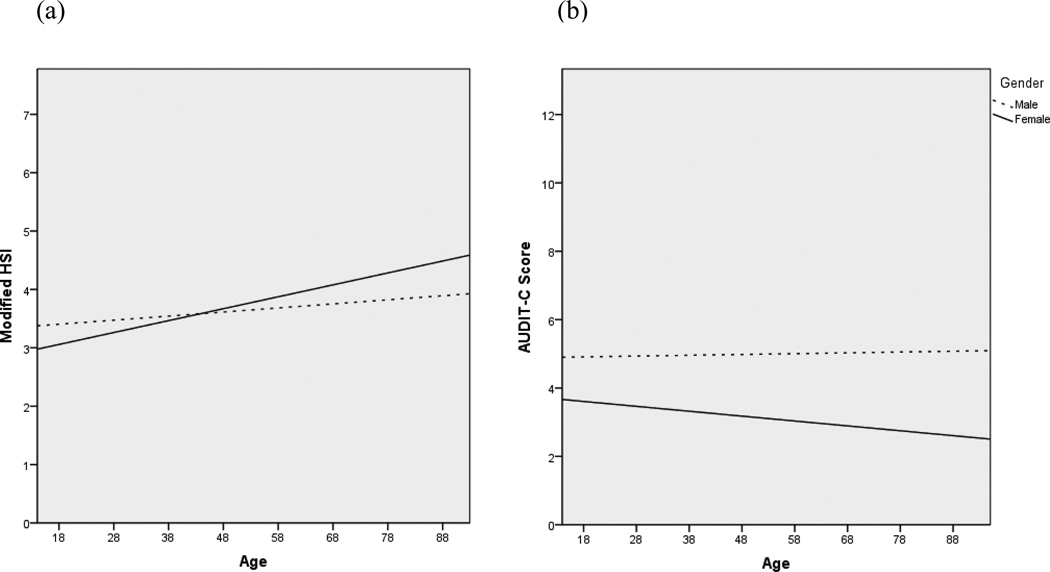
Results: Rates of use and problem use in our sample were similar to or higher than other ED samples. Younger patients and males were more likely to use ATOD, but the association of age and gender with severity varied across substances. Triage level was a poor predictor of substance use severity. Alcohol, tobacco, and drug use were significantly associated with using other substances and severity of other substance use.
Conclusion: Better understanding of the demographic correlates of ATOD use and severity and the patterns of comorbidity among classes of substance can inform the design of optimal screening and brief intervention procedures addressing ATOD use among ED patients. Tobacco may be an especially useful predictor.
Keywords: Addiction; Alcohol; Emergency department; Negative binomial model; Substance abuse; Tobacco.
Copyright © 2014. Published by Elsevier Ireland Ltd.
Figures
References
-
- American College of Surgeons Committee on Trauma. Resources for the optimal care of the injured patient. 2006 http://www.facs.org/trauma/optimalcare.pdf.
-
- Bernstein E, Bernstein J. Effectiveness of alcohol screening and brief motivational intervention in the emergency department setting. Ann. Emerg. Med. 2008;51:751–754. - PubMed
-
- Bernstein E, Bernstein J, Levenson S. Project ASSERT: an ED-based intervention to increase access to primary care, preventive services, and the substance abuse treatment system. Ann. Emerg. Med. 1997;30:181–189. - PubMed
MeSH terms
Grants and funding
- UG1 DA020024/DA/NIDA NIH HHS/United States
- U10 DA020036/DA/NIDA NIH HHS/United States
- U10 DA020024/DA/NIDA NIH HHS/United States
- U10 DA013714/DA/NIDA NIH HHS/United States
- U10 DA013732/DA/NIDA NIH HHS/United States
- K24 DA022412/DA/NIDA NIH HHS/United States
- U10 DA015833/DA/NIDA NIH HHS/United States
- U10 DA015831/DA/NIDA NIH HHS/United States
- U10 DA013035/DA/NIDA NIH HHS/United States
- L30 DA025498/DA/NIDA NIH HHS/United States
- T32 AA018108/AA/NIAAA NIH HHS/United States
- U10 DA013720/DA/NIDA NIH HHS/United States
- L30 AA019906/AA/NIAAA NIH HHS/United States
LinkOut - more resources
Full Text Sources
Other Literature Sources
Medical
