


Family-based analysis identified CD2 as a susceptibility gene for primary open angle glaucoma in Chinese Han population
- PMID: 24597656
- PMCID: PMC4000112
- DOI: 10.1111/jcmm.12201
Family-based analysis identified CD2 as a susceptibility gene for primary open angle glaucoma in Chinese Han population
Abstract
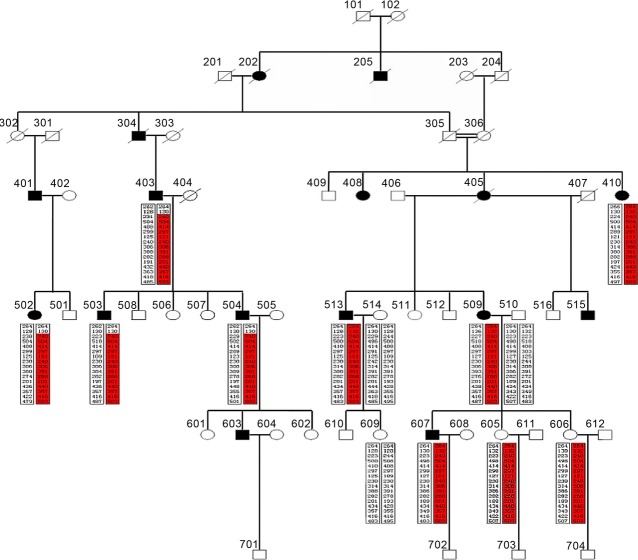
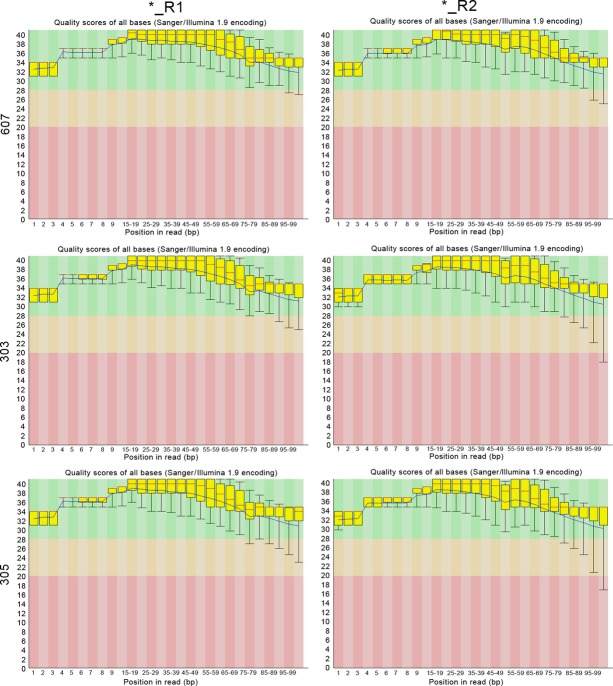
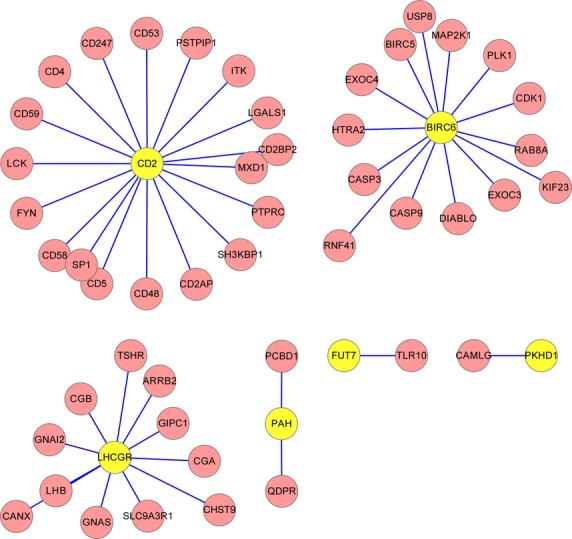
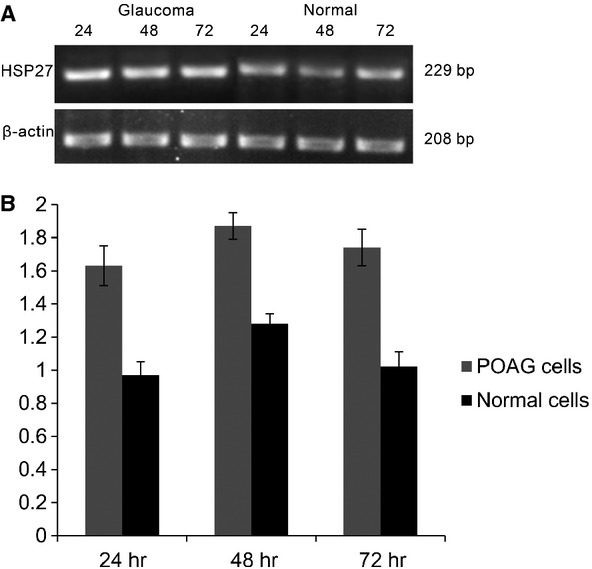
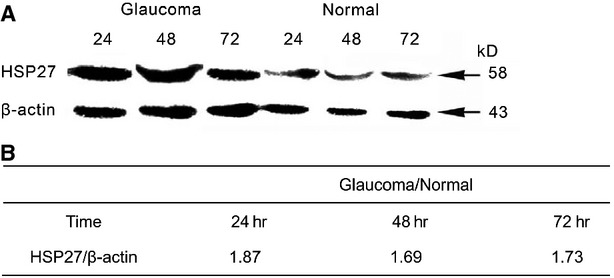
Primary open angle glaucoma (POAG) is characterized by optic disc cupping and irreversible loss of retinal ganglion cells. Few genes have been detected that influence POAG susceptibility and little is known about its genetic architecture. In this study, we employed exome sequencing on three members from a high frequency POAG family to identify the risk factors of POAG in Chinese population. Text-mining method was applied to identify genes associated with glaucoma in literature, and protein-protein interaction networks were constructed. Furthermore, reverse transcription PCR and Western blot were performed to confirm the differential gene expression. Six genes, baculoviral inhibitors of apoptosis protein repeat containing 6 (BIRC6), CD2, luteinizing hormone/choriogonadotropin receptor (LHCGR), polycystic kidney and hepatic disease gene 1 (PKHD1), phenylalanine hydroxylase (PAH) and fucosyltransferase 7 (FUT7), which might be associated with POAG, were identified. Both the mRNA expression levels and protein expression levels of HSP27 were increased in astrocytes from POAG patients compared with those from normal control, suggesting that mutation in CD2 might pose a risk for POAG in Chinese population. In conclusion, novel rare variants detected by exome sequencing may hold the key to unravelling the remaining contribution of genetics to complex diseases such as POAG.
Keywords: Chinese population; exome sequencing; primary open angle glaucoma.
© 2014 The Authors. Journal of Cellular and Molecular Medicine published by John Wiley & Sons Ltd and Foundation for Cellular and Molecular Medicine.
Figures
References
-
- Chihara E, Liu X, Dong J, et al. Severe myopia as a risk factor for progressive visual field loss in primary open-angle glaucoma. Ophthalmologica. 1997;211:66–71. - PubMed
-
- Teus MA, Castejon MA, Calvo MA, et al. Intraocular pressure as a risk factor for visual field loss in pseudoexfoliative and in primary open-angle glaucoma. Ophthalmology. 1998;105:2225–9. - PubMed
-
- Kong X, Chen Y, Chen X, et al. Influence of family history as a risk factor on primary angle closure and primary open angle glaucoma in a Chinese population. Ophthalmic Epidemiol. 2011;18:226–32. - PubMed
-
- Bonovas S, Peponis V, Filioussi K. Diabetes mellitus as a risk factor for primary open-angle glaucoma: a meta-analysis. Diabet Med. 2004;21:609–14. - PubMed
Publication types
MeSH terms
Substances
LinkOut - more resources
Full Text Sources
Other Literature Sources
Research Materials
Miscellaneous
