. 2014 Mar 5;9(3):e90582.
doi: 10.1371/journal.pone.0090582. eCollection 2014.

Neutrophils increase or reduce parasite burden in Trypanosoma cruzi-infected macrophages, depending on host strain: role of neutrophil elastase

Affiliations

Neutrophils increase or reduce parasite burden in Trypanosoma cruzi-infected macrophages, depending on host strain: role of neutrophil elastase

Tatiana Luna-Gomes et al. PLoS One. .

Abstract

Neutrophils are involved in the initial steps of most responses to pathogens and are essential components of the innate immune response. Due to the ability to produce and release various soluble mediators, neutrophils may participate in the regulation of the inflammatory response. Little is known about the role of neutrophils during protozoan infections including infection by Trypanosoma cruzi. In the present study we investigated the importance of inflammatory neutrophils on macrophage activation and T. cruzi replication in vitro, in cells obtained from BALB/c mice and C57Bl/6 mice. Co-cultures of BALB/c apoptotic or live neutrophils with infected peritoneal macrophages resulted in increased replication of the parasites and in the production of TGF-β and PGE2. The treatment with anti-TGF-β neutralizing antibody and COX inhibitor blocked the parasite replication in vitro. On the other hand, co-cultures of T. cruzi infected macrophages with live neutrophils isolated from C57BL/6 mice resulted in decreased number of trypomastigotes in culture and increased production of TNF-α and NO. The addition of anti-TNF-α neutralizing antibody or elastase inhibitor resulted in the abolishment of macrophage microbicidal effect and increased parasite replication. Addition of elastase to infected macrophages reduced the replication of the parasites, and on the other hand, addition of a selective inhibitor of iNOS increased parasite growth, suggesting the role of NO in this system. Our findings reveal that neutrophils may regulate T. cruzi experimental infection and determine susceptibility and resistance to infection.


Conflict of interest statement

Competing Interests: The authors have declared that no competing interests exist.

Figures

Figure 1
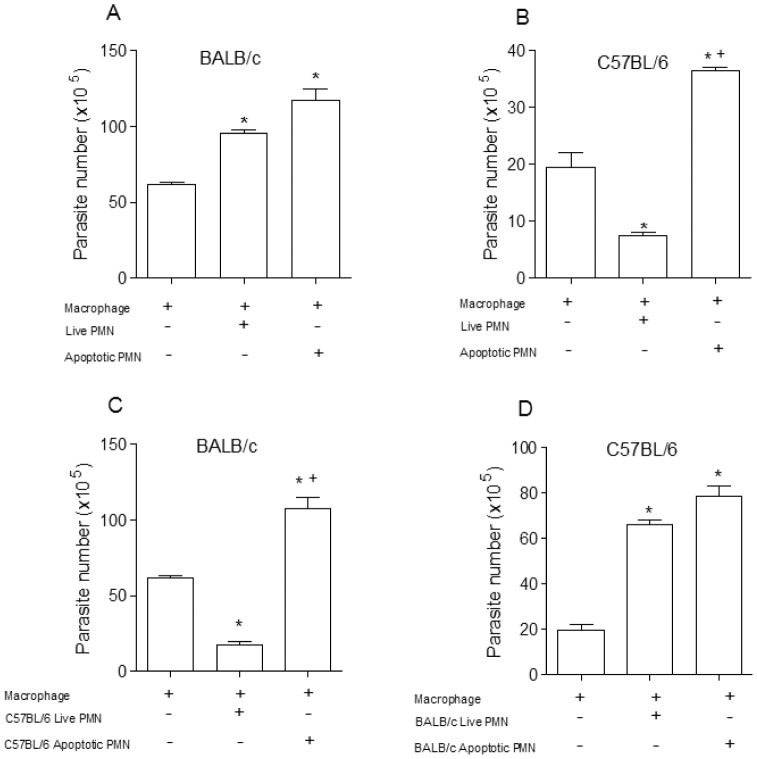
Figure 1. Effect of live or apoptotic neutrophils co-cultured with macrophages infected with T. cruzi.
Co-culture of macrophages from BALB/c (A) and C57BL/6 (B) mice that were infected in vitro with 105 metacyclic trypomastigotes and cultured with syngeneic live or apoptotic neutrophils (PMN). Infected macrophages from BALB/c (C) and C57BL/6 (D) were co-cultured with live or apoptotic neutrophils of different strains. After 7 days the released parasites were counted in a Neubauer chamber. Measurements were performed in triplicate from three different experiments. Statistical significance was determined by ANOVA. When *p≤0.05 compared to infected macrophage and +p≤0.05 compared with alive PMN.
Figure 2
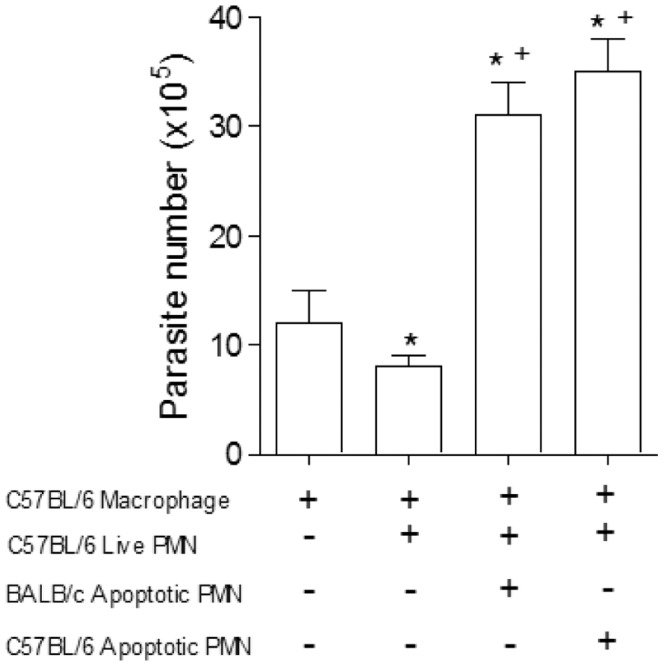
Figure 2. Interference of apoptotic neutrophils on macrophages infected with T. cruzi with live C57BL/6 neutrophils.
Co-culture of BALB/c peritoneal macrophages with live and apoptotic neutrophils from BALB/c or C57BL/6. After 7 days the parasites released were counted in a Neubauer chamber. Measurements were performed in triplicate from three different experiments. Statistical significance was determined by ANOVA. When *p≤0.05 compared to infected macrophage and +p≤0.05 compared with alive PMN from C57BL/6.
Figure 3
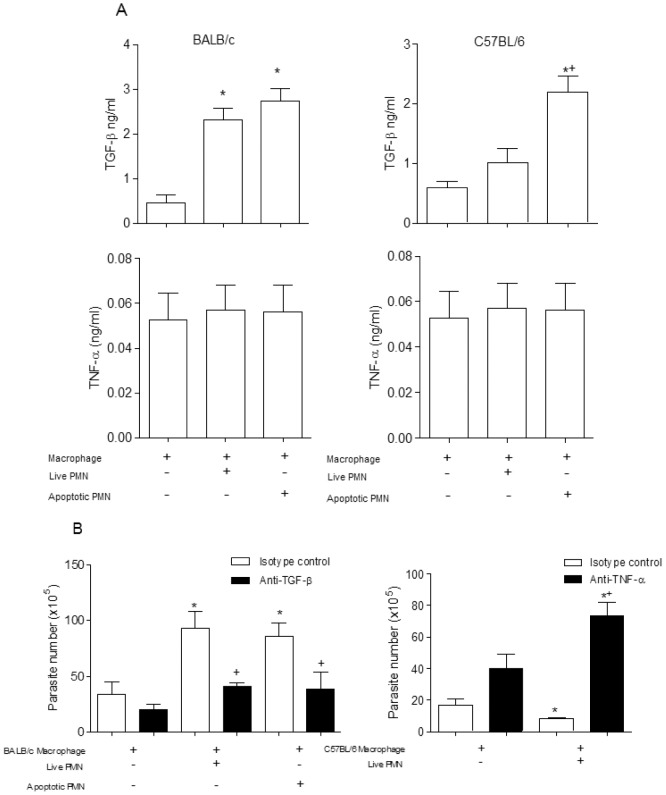
Figure 3. Cytokine production.
(A) The levels of cytokines (TGF-β and TNF-α) were determined by enzyme immunoassay in samples of supernatants from co-cultures of macrophages with neutrophils. The tests were performed with samples obtained after 24 hours. Measurements were performed in triplicate of three different experiments. (B) Co-cultures of macrophages infected with live neutrophils and added monoclonal antibodies anti-TGF-β (10 µg/ml) or anti-TNF-α (10 µg/ml). After 7 days the parasites release were counted in a Neubauer chamber. Measurements were performed in triplicate of three different experiments. Statistical significance was determined by ANOVA. When *p≤0.05 compared to infected macrophage and +p≤0.05 compared with isotype control.
Figure 4
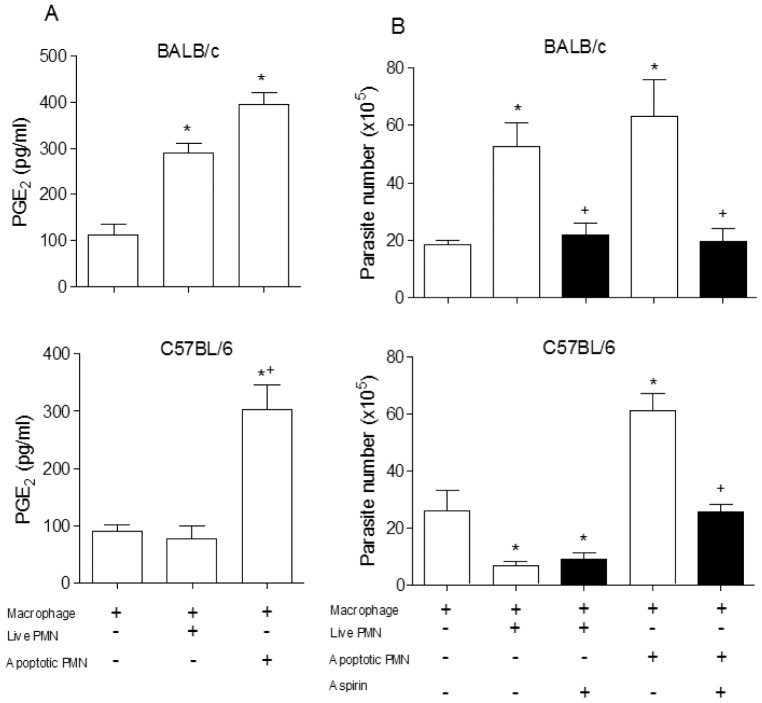
Figure 4. Participation of PGE2 in the modulation of infection.
(A) PGE2 levels were determined in samples of supernatants from co-cultures of BALB/c mice with or without alive and apoptotic neutrophils determined by enzyme immunoassay (EIA). The assays were performed with samples obtained after 24 hours of culture. Measurements were performed in triplicate from three different experiments. (B) Co-cultures of macrophages infected with neutrophils were incubated with aspirin (10 µg/ml) and their solvent (DMSO) and 7 days after the released parasites were counted in Neubauer chamber. Measurements were performed in triplicates of three different experiments. Statistical significance was determined by ANOVA (A) and t student test (B). When *p≤0.05 compared to infected macrophage and +p≤0.05 compared to the apoptotic PMN.
Figure 5
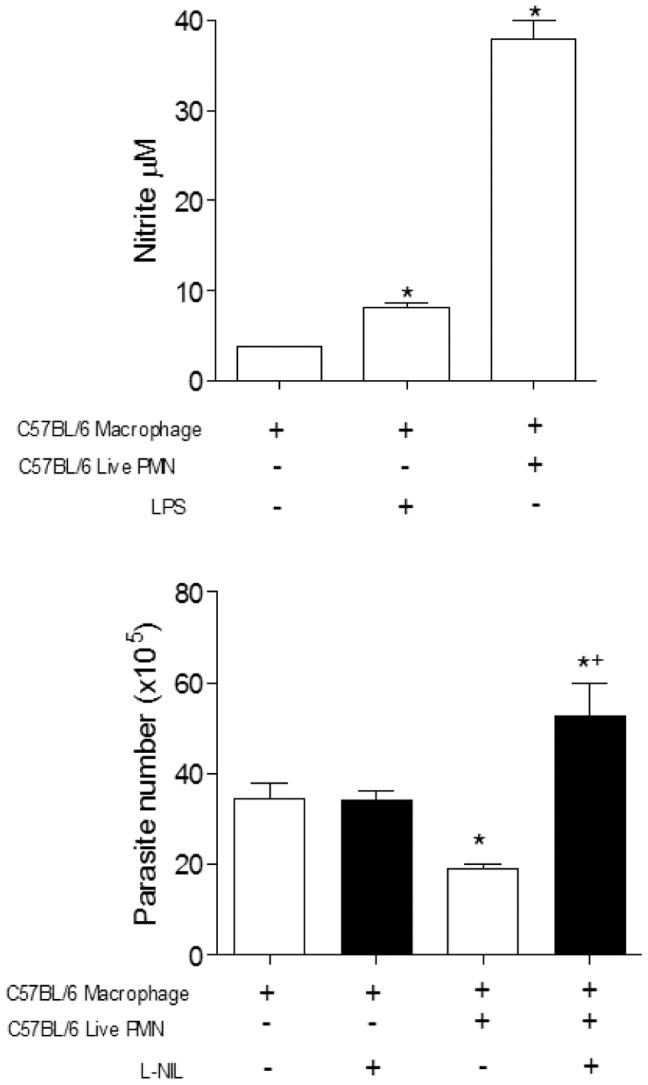
Figure 5. The microbicidal effect of neutrophils from C57BL/6 is dependent on Nitric Oxide.
(A) Increased production of nitrite found in the supernatant co-cultures of neutrophils from C57BL/6 after 24 hours. (B) Inhibition of NO production in the presence of selective inhibitor (L-NIL) and interference on the parasite growth in macrophages from C57BL/6. After 7 days the released parasites were counted in a Neubauer chamber. Measurements were performed in triplicate from three different experiments. Statistical significance was determined by ANOVA. When *p≤0.05 compared to infected macrophage and +p≤0.05 compared with alive PMN.
Figure 6
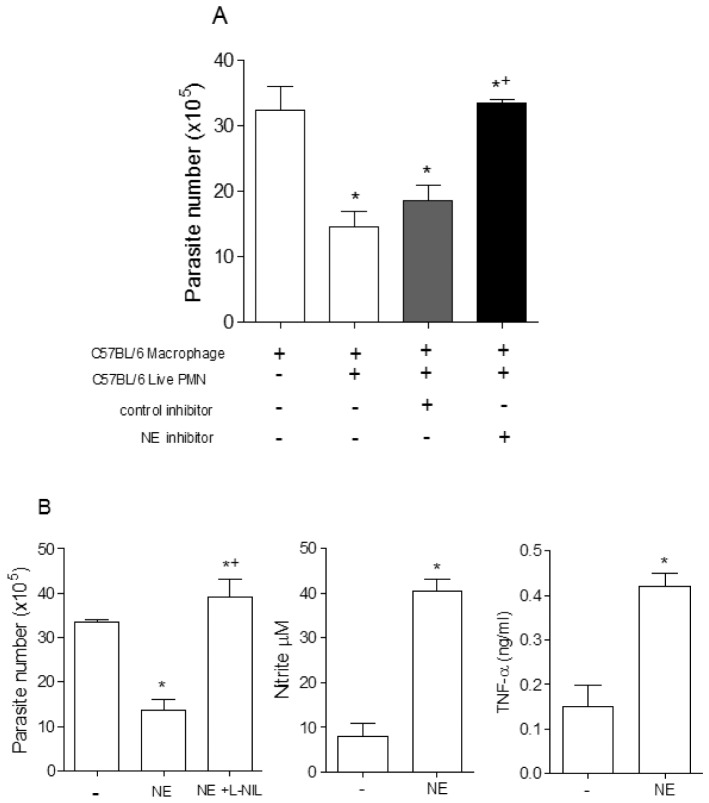
Figure 6. Neutrophil elastase potentiates the microbicidal response of T. cruzi in vitro.
(A) Parasites released in infected C57BL/6 macrophages cultures alone or in presence of solvent (DMSO), control inhibitor (collagenase inhibitor Z-Pro-D-Leu-AAPV-D-Ala-NHOH; used at 10 µg/ml) or NE inhibitor (MeOSuc-AAPV-cmk; used at 10 µg/ml). (B) Neutrophil elastase (100 ng/ml) was added to infected cultured macrophages in the presence or absence of selective iNOS inhibitor (L-NIL). The number of trypomastigotes was counted in a Neubauer chamber after 7 days of culture. Production of TNF-α and NO released into the supernatant by T. cruzi infected macrophages after 24 h incubation in medium alone or in the presence of neutrophil elastase, at 100 ng/ml. Measurements were performed in triplicates of three different experiments. Statistical significance was determined by ANOVA (A) or t test (B).

References

    1. Faurschou M, Borregaard N (2003) Neutrophil granules and secretory vesicles in inflammation. Microbes Infect 5: 1317–1327. - PubMed
    1. Laskay T, van Zandbergen G, Solbach W (2003) Neutrophil granulocytes–Trojan horses for Leishmania major and other intracellular microbes? Trends Microbiol 11: 210–214. - PubMed
    1. Nauseef WM (2007) How huamn neutrophils kill and degrade microbes: an integrated view Immunol Rev. 219: 88–102. - PubMed
    1. Appelberg R (2007) Neutrophils and intracellular pathogens: beyond phagocytosis and killing. Trends Microbiol 15: 87–92. - PubMed
    1. Nathan C (2006) Neutrophils and immunity: challenges and opportunities. Nat Rev Immunol 6: 173–182. - PubMed

Publication types

LinkOut - more resources