


Phytochemistry and pharmacology of berberis species
- PMID: 24600191
- PMCID: PMC3931204
- DOI: 10.4103/0973-7847.125517
Phytochemistry and pharmacology of berberis species
Abstract
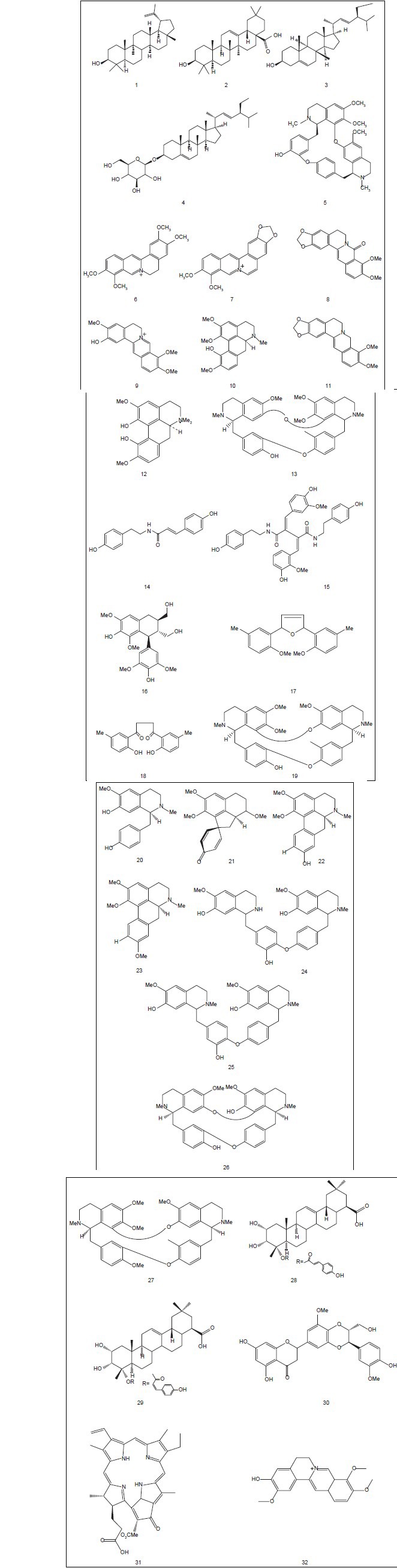
The genus Berberis (Berberidaceae) includes about 500 species worldwide, some of which are widely cultivated in the north-eastern regions of Iran. This genus consists of spiny deciduous evergreen shrubs, characterized by yellow wood and flowers. The cultivation of seedless barberry in South Khorasan goes back to two hundred years ago. Medicinal properties for all parts of these plants have been reported, including: Antimicrobial, antiemetic, antipyretic, antioxidant, anti-inflammatory, anti-arrhythmic, sedative, anti-cholinergic, cholagogic, anti-leishmaniasis, and anti-malaria. The main compounds found in various species of Berberis, are berberine and berbamine. Phytochemical analysis of various species of this genus revealed the presence of alkaloids, tannins, phenolic compounds, sterols and triterpenes. Although there are some review articles on Berberis vulgaris (as the most applied species), there is no review on the phytochemical and pharmacological activities of other well-known species of the genus Berberis. For this reason, the present review mainly focused on the diverse secondary metabolites of various species of this genus and the considerable pharmacological and biological activities together with a concise story of the botany and cultivation.
Keywords: Berberis; pharmacological effects; phytochemistry; zereshk.
Conflict of interest statement
Figures
References
-
- Kafi M, balandary A. Mashhad: Language and Literature; 2002. Berberis production and processing.
-
- Rounsaville TJ, Ranney TG. Ploidy levels and genome sizes of Berberis L. and Mahonia nutt. species, hybrids, and cultivars. Hortscience. 2010;45:1029–33.
-
- Mozaffarian V. Tehran: Farhang-e-Moaser; 2008. A dictionary of Iranian plant names.
-
- Berberies [homepage on the internet] [Last accessed on 2013 Aug 13]. Available from: http://en.wikipedia.org/wiki/Berberis .
-
- Kafi M, Balandri A. Iranian Research Organization for Science and Technology, Center of Khorasan; 1995. Effects of gibberellic acid and ethephon on fruit characteristics and ease of harvest seed less barberry.
Publication types
LinkOut - more resources
Full Text Sources
Other Literature Sources