


Measuring ERCC1 protein expression in cancer specimens: validation of a novel antibody
- PMID: 24603753
- PMCID: PMC3945488
- DOI: 10.1038/srep04313
Measuring ERCC1 protein expression in cancer specimens: validation of a novel antibody
Abstract
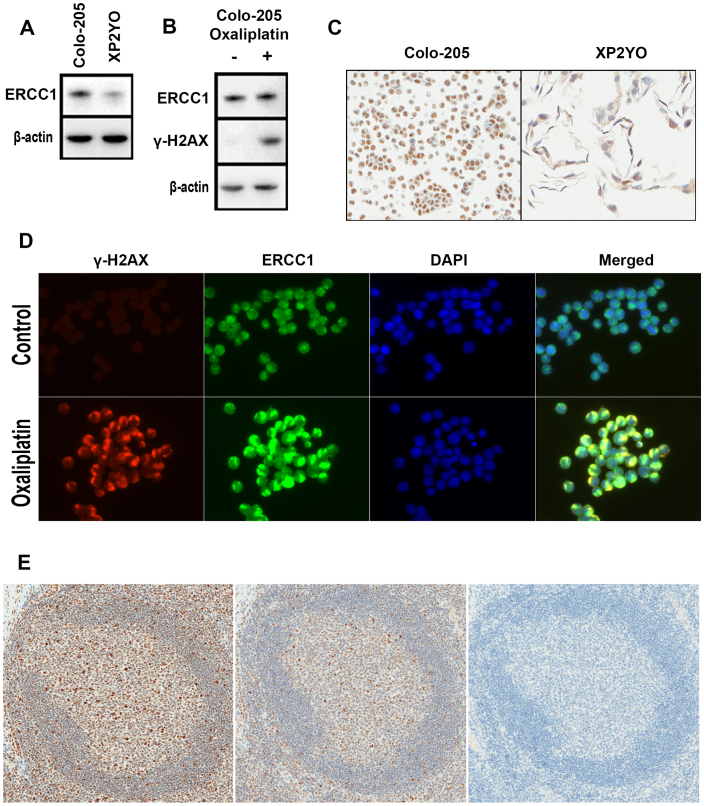
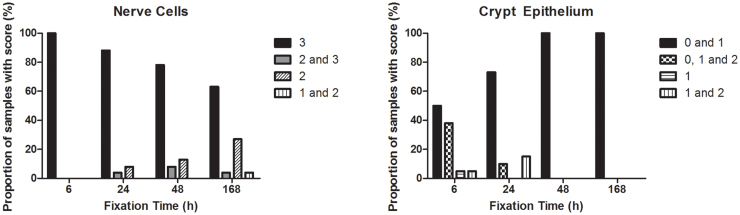
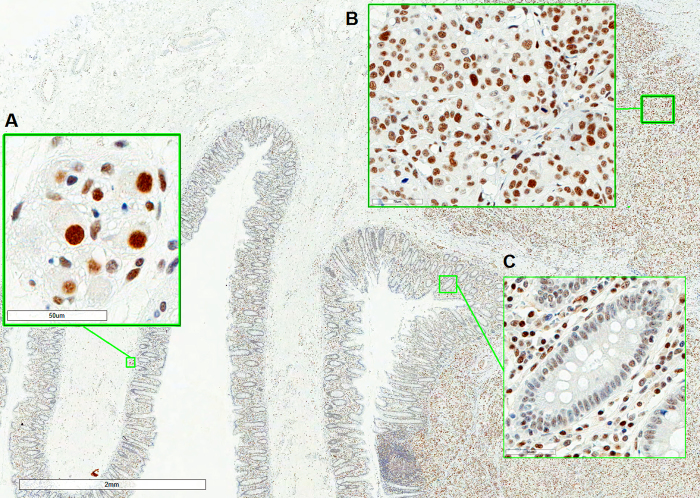
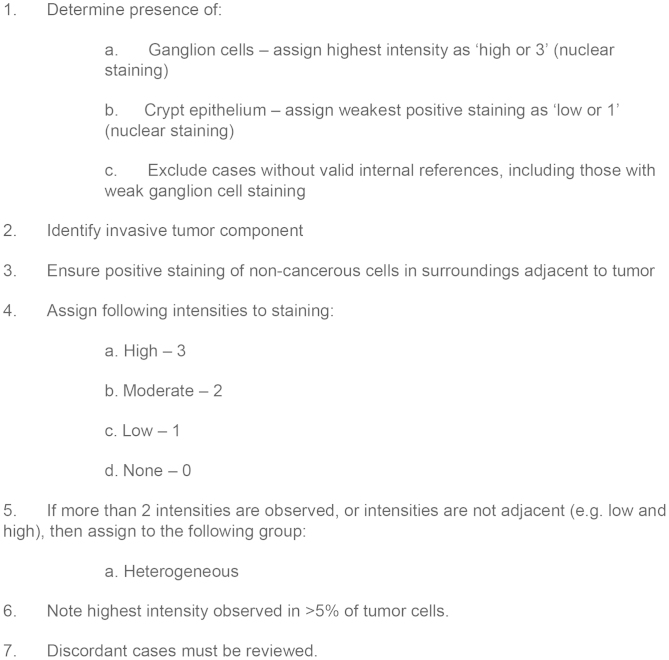
Platinum chemotherapy remains part of standard therapies in the management of a variety of cancers. Severe side effects and a high degree of resistance to platinum drugs have led numerous researchers to search for predictive biomarkers, which could aid in identifying patients that are the most likely to respond to therapy. The ERCC1-ERCC4 endonuclease plays a critical role in the repair of platinum-DNA damage and has widely been studied in relation to sensitivity to platinum chemotherapy. The standard method to evaluate ERCC1 protein expression is through the use of immunohistochemistry with monoclonal antibody 8F1, an antibody that was recently found to bind an unrelated protein. The present study determines the specificity of a novel antibody, monoclonal antibody 4F9, and presents a method to evaluate ERCC1 expression in colorectal tumor specimens. Using relevant cell lines as controls, the specificity of antibody 4F9 was tested by immunoblotting, immunohistochemistry and immunofluorescence. Scoring guidelines to aid in the evaluation of ERCC1 tumor expression were developed and evaluated in archival formalin-fixed paraffin embedded colorectal cancer specimens. Antibody 4F9 was found to be specific by all methods applied and it was possible to evaluate the ERCC1 expression in the majority (85%) of colorectal cancer tumor specimens.
Conflict of interest statement
Figures
References
-
- Ferlay J., Shin H. R., Bray F., Forman D., Mathers C. & Parken D. M. GLOBOCAN 2008 v2.0, Cancer Incidence and Mortality Worldwide: IARC CancerBase No. 10 [Internet]. (2010) (Date of access: 31/7/2013).
-
- Colucci G. et al. Phase III Randomized Trial of FOLFIRI Versus FOLFOX4 in the Treatment of Advanced Colorectal Cancer: A Multicenter Study of the Gruppo Oncologico Dell'Italia Meridionale. J. Clin. Oncol. 23, 4866–4875 (2005). - PubMed
-
- Woynarowski J. M. et al. Oxaliplatin-induced damage of cellular DNA. Mol. Pharmacol. 58, 920–927 (2000). - PubMed
-
- Martin L. P., Hamilton T. C. & Schilder R. J. Platinum resistance: the role of DNA repair pathways. Clin. Cancer Res. 14, 1291–1295 (2008). - PubMed
Publication types
MeSH terms
Substances
LinkOut - more resources
Full Text Sources
Other Literature Sources
