


Temporomandibular joint osteoarthritis: diagnosis and long-term conservative management: a topic review
- PMID: 24604992
- PMCID: PMC3935038
- DOI: 10.1007/s13191-013-0321-3
Temporomandibular joint osteoarthritis: diagnosis and long-term conservative management: a topic review
Abstract
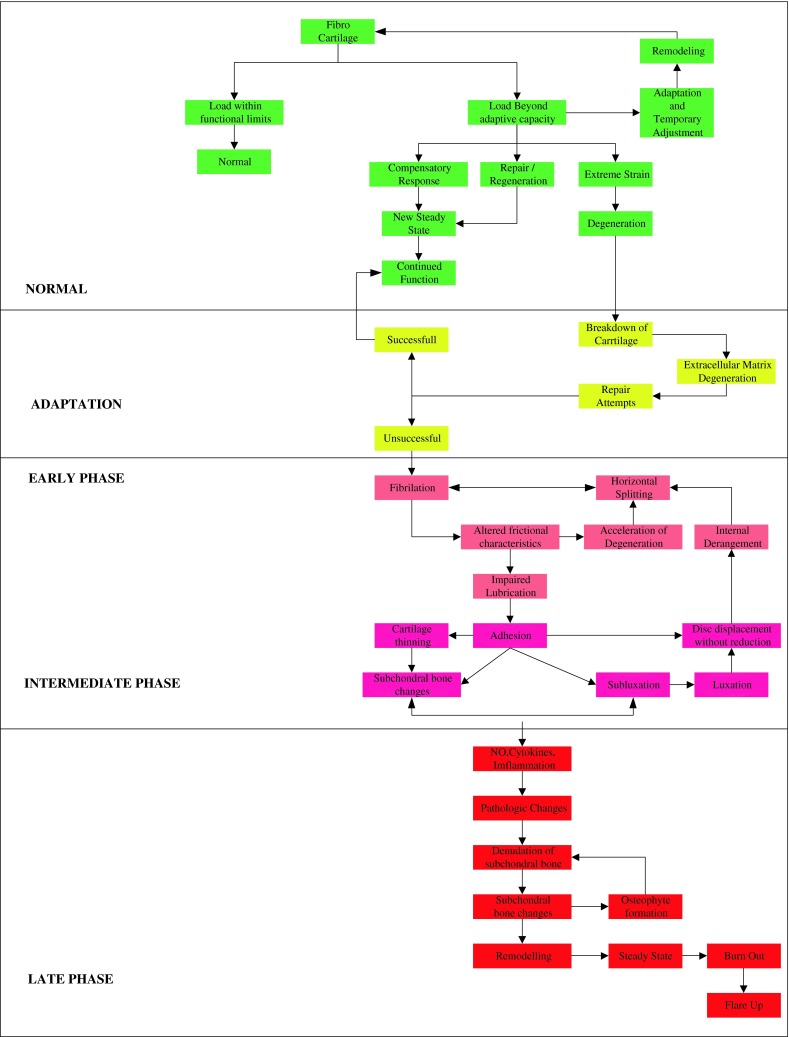
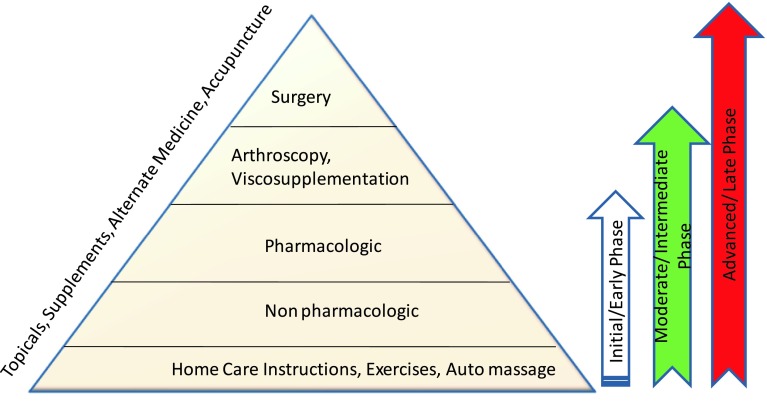
Degenerative joint disease (DJD), a common osteoarthritic problem encountered in clinical practice presents as a chronic debilitating disease resulting in altered joint structure due to degradation and loss of articular cartilage, along with changes in the subchondral bone and other soft tissues. DJD is a frequent finding in the Temporomandibular joints (TMJs). Consequently, a good understanding of the use of a diagnostic algorithm will lead to a better control of DJD in the TMJ. The etiopathogenesis of osteoarthritis is complex, and it is associated with multiple risk factors. The condition progresses slowly through different phases with periods of remission and activity finally reaching the burnout phase. Conservative management forms the cornerstone for the treatment of most of these cases. This review attempts to acquaint the dentist with the diagnosis, pathogenesis and general characteristics of the disease while highlighting and updating them with the current conservative treatment algorithms in order to assist in the formulation of a treatment plan for these patients.
Keywords: Conservative management; Degenerative joint disease; Temporomandibular joint osteoarthritis.
Figures
References
-
- Jacofsky, David J, Anderson, Meredith L, Wolff III, Luther H (2005) Osteoarthritis Hospital Physician 41(7):17–25
Publication types
LinkOut - more resources
Full Text Sources
Other Literature Sources