


Animal models of peripheral neuropathy due to environmental toxicants
- PMID: 24615445
- PMCID: PMC4158349
- DOI: 10.1093/ilar/ilt058
Animal models of peripheral neuropathy due to environmental toxicants
Abstract
Despite the progress in our understanding of pathogeneses and the identification of etiologies of peripheral neuropathy, idiopathic neuropathy remains common. Typically, attention to peripheral neuropathies resulting from exposure to environmental agents is limited relative to more commonly diagnosed causes of peripheral neuropathy (diabetes and chemotherapeutic agents). Given that there are more than 80,000 chemicals in commerce registered with the Environmental Protection Agency and that at least 1000 chemicals are known to have neurotoxic potential, very few chemicals have been established to affect the peripheral nervous system (mainly after occupational exposures). A wide spectrum of exposures, including pesticides, metals, solvents, nutritional sources, and pharmaceutical agents, has been related, both historically and recently, to environmental toxicant-induced peripheral neuropathy. A review of the literature shows that the toxicity and pathogeneses of chemicals adversely affecting the peripheral nervous system have been studied using animal models. This article includes an overview of five prototypical environmental agents known to cause peripheral neuropathy--namely, organophosphates, carbon disulfide, pyridoxine (Vitamin B6), acrylamide, and hexacarbons (mainly n-hexane, 2,5-hexanedione, methyl n-butyl ketone). Also included is a brief introduction to the structural components of the peripheral nervous system and pointers on common methodologies for histopathologic evaluation of the peripheral nerves.
Keywords: acrylamide; carbon disulfide; environmental toxicant; hexacarbon; organophosphate; peripheral neuropathy; pyridoxine; vitamin B6.
Figures
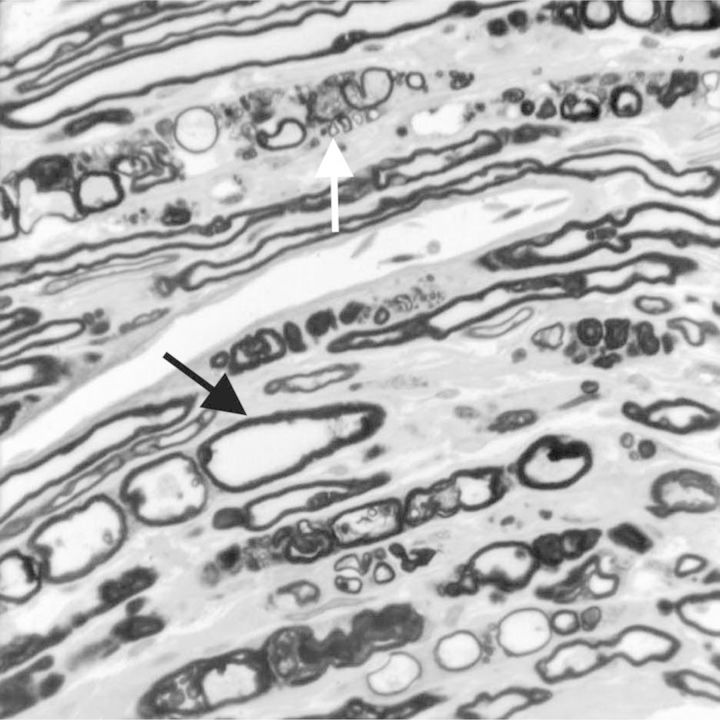
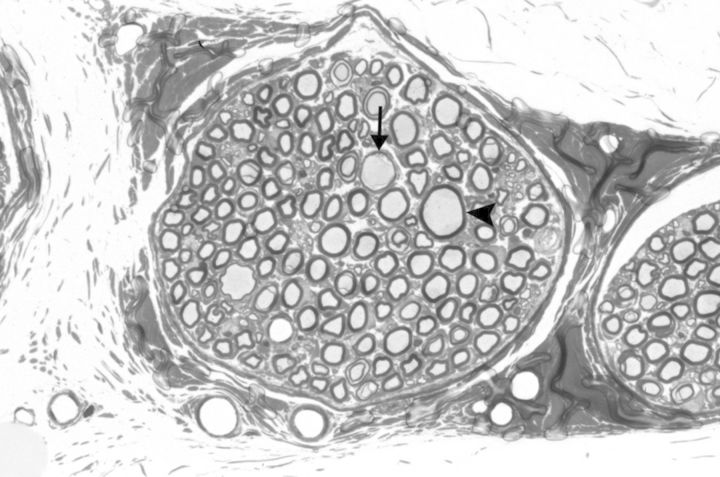
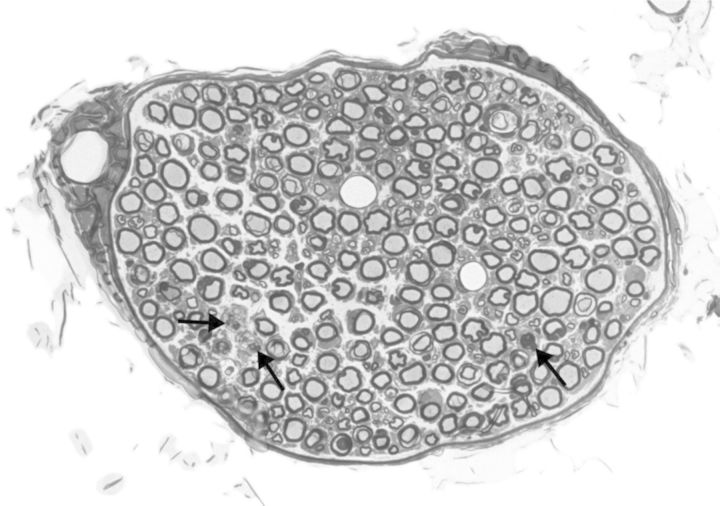
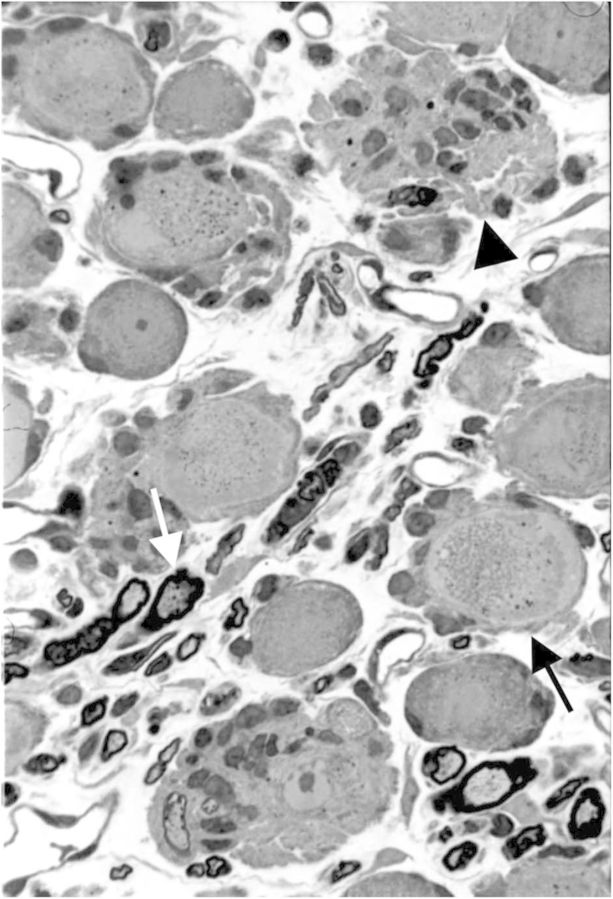
References
-
- Abou-Donia MB. Organophosphorus Pesticides. In: Chang W, Dyer RS, editors. Handbook of Neurotoxicology. New York: Marcel Dekker. p: Marcel Dekker, Inc; 1995. pp. 419–473.
-
- Allen N, Mendell JR, Billmaier DJ, Fontaine RE, O'Neill J. Toxic polyneuropathy due to methyl n-butyl ketone. An industrial outbreak. Arch Neurol. 1975;32:209–218. - PubMed
-
- Altenkirch H, Mager J, Stoltenburg G, Helmbrecht J. Toxic polyneuropathies after sniffing a glue thinner. J Neurol. 1977;214:137–152. - PubMed
-
- Altenkirch H, Stoltenburg-Didinger G, Koeppel C. The neurotoxicological aspects of the toxic oil syndrome (TOS) in Spain. Toxicology. 1988;49:25–34. - PubMed
-
- Aring CD. The systemic nervous affinity of troorthocresyl phosphate (Jamaican ginger palsy). Brain. 1942;65:34–47.
Publication types
MeSH terms
Substances
LinkOut - more resources
Full Text Sources
Other Literature Sources
Medical
