. 2014 Mar 10;19(3):3038-54.
doi: 10.3390/molecules19033038.

Assessment of circulating microRNAs in plasma of lung cancer patients

Affiliations

Assessment of circulating microRNAs in plasma of lung cancer patients

Orazio Fortunato et al. Molecules. .

Abstract

Lung cancer is the most common cause of cancer deaths worldwide and numerous ongoing research efforts are directed to identify new strategies for its early detection. The development of non-invasive blood-based biomarkers for cancer detection in its preclinical phases is crucial to improve the outcome of this deadly disease. MicroRNAs (miRNAs) are a new promising class of circulating biomarkers for cancer detection and prognosis definition, but lack of consensus on data normalization methods for circulating miRNAs and the critical issue of haemolysis, has affected the identification of circulating miRNAs with diagnostic potential. We describe here an interesting approach for profiling circulating miRNAs in plasma samples based on the evaluation of reciprocal miRNA levels measured by quantitative Real-Time PCR. By monitoring changes of plasma miRNA-ratios, it is possible to assess the deregulation of tumor-related miRNAs and identify signatures with diagnostic and prognostic value. In addition, to avoid bias due to the release of miRNAs from blood cells, a miRNA-ratios signature distinguishing haemolyzed samples was identified. The method described was validated in plasma samples of lung cancer patients, but given its reproducibility and reliability, could be potentially applied for the identification of diagnostic circulating miRNAs in other diseases.


Conflict of interest statement

Gabriella Sozzi, Mattia Boeri, and Ugo Pastorino are coinventors on two patent applications regarding the miRNA signatures disclosed in this article.

Figures
Scheme 1
Scheme 1
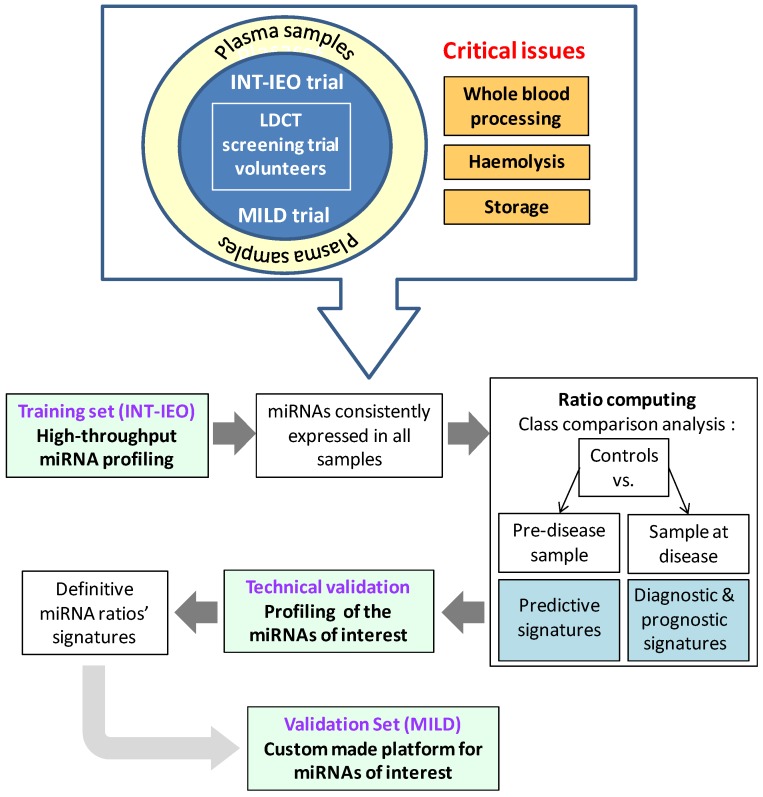
Workflow for circulating miRNA profiling.
Figure 1
Figure 1
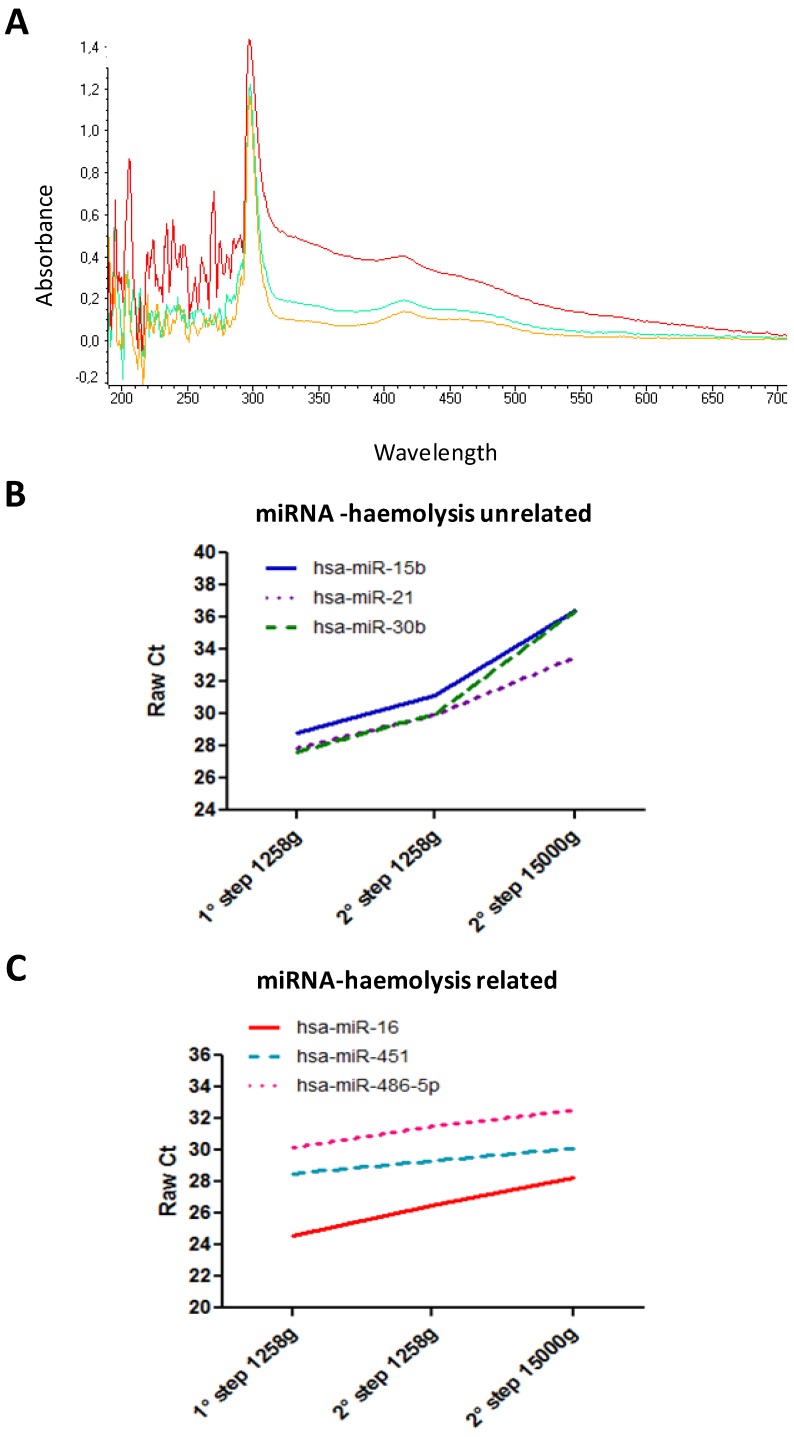
Spectrophotometric and molecular characterization of plasma samples obtained with different protocols of whole blood processing. (A) Spectrophotometric profile of samples after the first step of centrifugation at 1,258 g (red line) and after the second step of centrifugation at 1,258 g (blue line) or at 15,000 g (yellow line). (B) Expression level (raw Ct data) of haemolysis-unrelated miRNAs and (C) of haemolysis-related miRNAs.
Figure 2
Figure 2
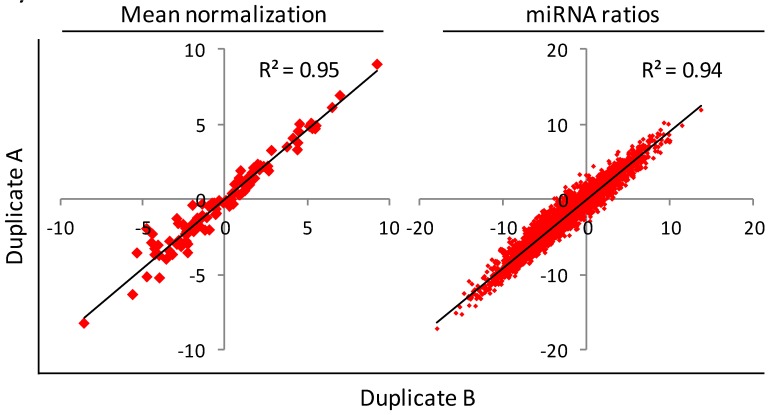
Scatter plots showing the correlation using the mean normalization method and the miRNAs ratios tool, between two biological replicates spotted on microfluidic cards analyzed for the reproducible 100 miRNAs and the respective 4,950 ratios.
Figure 3
Figure 3
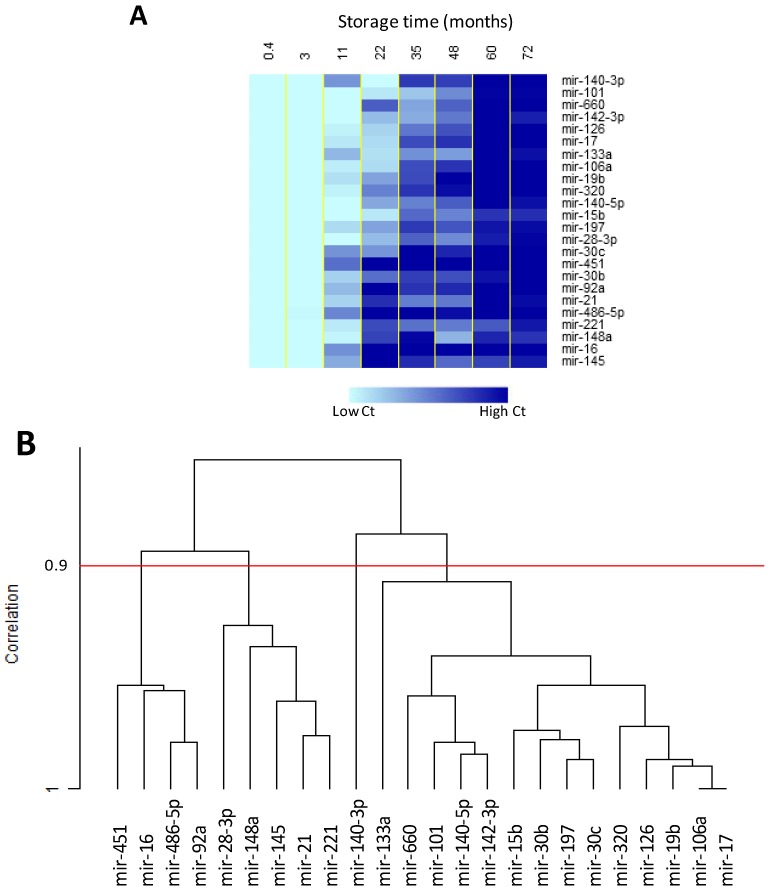
miRNA degradation according to storage time reported as (A) heat map of the time course analysis, and (B) dendogram using centred correlation and average linkage for miRNAs clustering. Analysis performed with BRB ArrayTools.
Figure 4
Figure 4
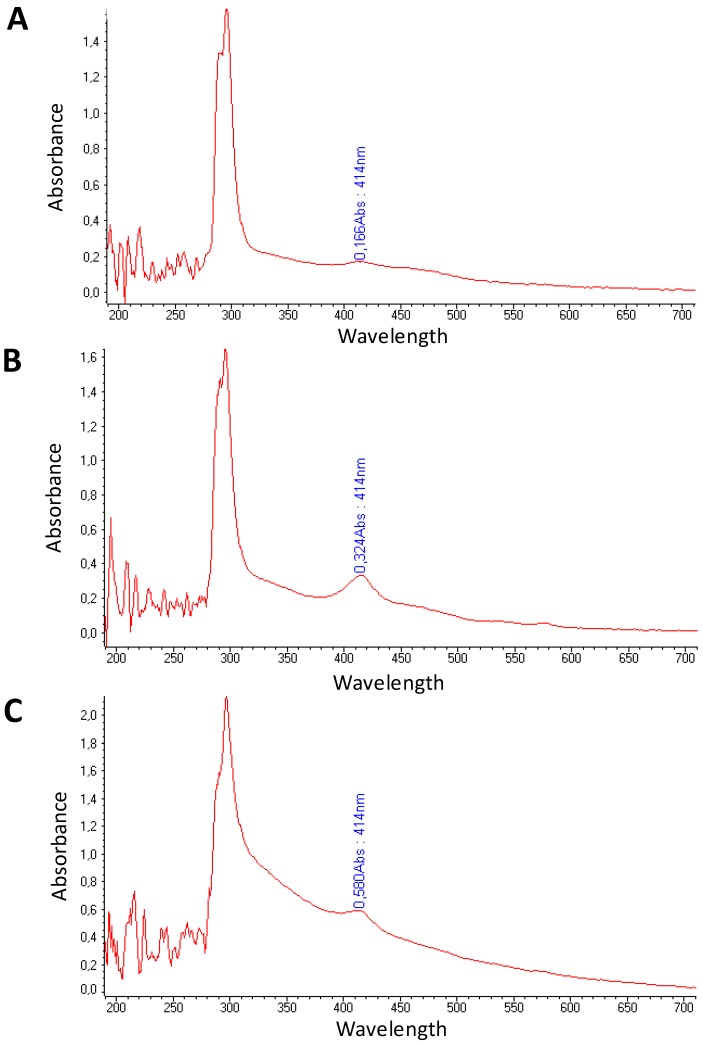
Spectrophotometric measures of haemoglobin (414 nm) of (A) a normal, (B) a haemolysed and (C) a lipemic plasma sample.
Figure 5
Figure 5
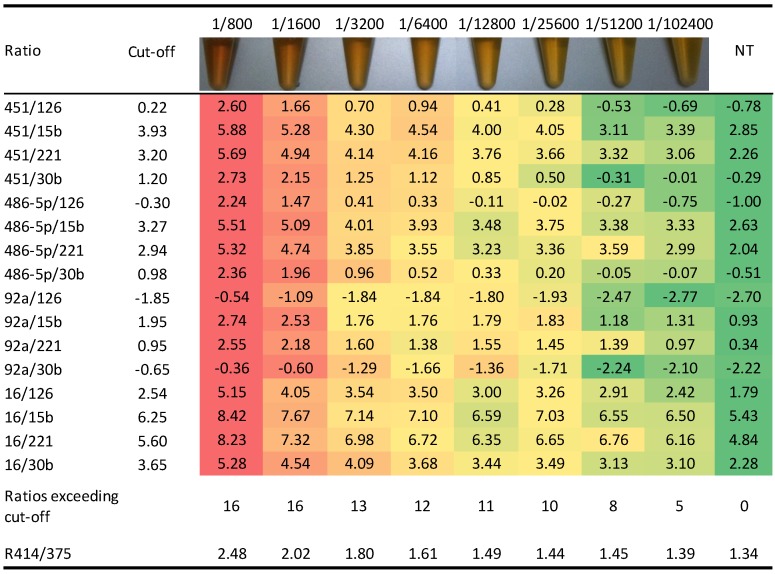
Plasma ratios (log2) for in vitro haemolysis evaluation.

References

    1. Siegel R., Naishadham D., Jemal A. Cancer statistics, 2013. CA Cancer J. Clin. 2013;63:11–30. doi: 10.3322/caac.21166. - DOI - PubMed
    1. Pastorino U., Bellomi M., Landoni C., de Fiori E., Arnaldi P., Picchio M., Pelosi G., Boyle P., Fazio F. Early lung-cancer detection with spiral CT and positron emission tomography in heavy smokers: 2-Year results. Lancet. 2003;362:593–597. doi: 10.1016/S0140-6736(03)14188-8. - DOI - PubMed
    1. Pastorino U. Lung cancer screening. Br. J. Cancer. 2010;102:1681–1686. doi: 10.1038/sj.bjc.6605660. - DOI - PMC - PubMed
    1. Kramer B.S., Berg C.D., Aberle D.R., Prorok P.C. Lung cancer screening with low-dose helical CT: Results from the National Lung Screening Trial (NLST) J Med. Screen. 2011;18:109–111. doi: 10.1258/jms.2011.011055. - DOI - PMC - PubMed
    1. Patz E.F., Jr., Pinsky P., Gatsonis C., Sicks J.D., Kramer B.S., Tammemagi M.C., Chiles C., Black W.C., Aberle D.R. Overdiagnosis in low-dose computed tomography screening for lung cancer. JAMA Intern. Med. 2014;174:269–274. doi: 10.1001/jamainternmed.2013.12738. - DOI - PMC - PubMed

Publication types