Activating mTOR mutations in a patient with an extraordinary response on a phase I trial of everolimus and pazopanib
- PMID: 24625776
- PMCID: PMC4122326
- DOI: 10.1158/2159-8290.CD-13-0353
Activating mTOR mutations in a patient with an extraordinary response on a phase I trial of everolimus and pazopanib
Abstract
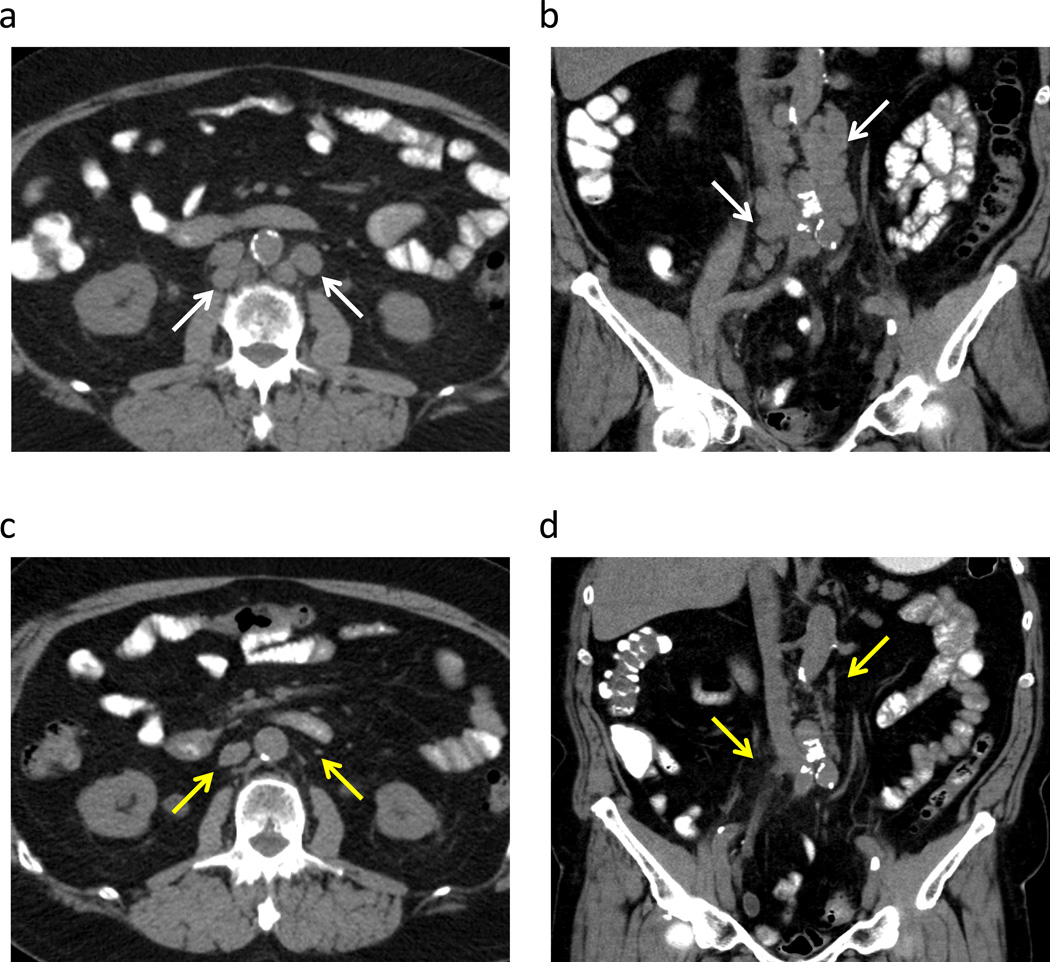
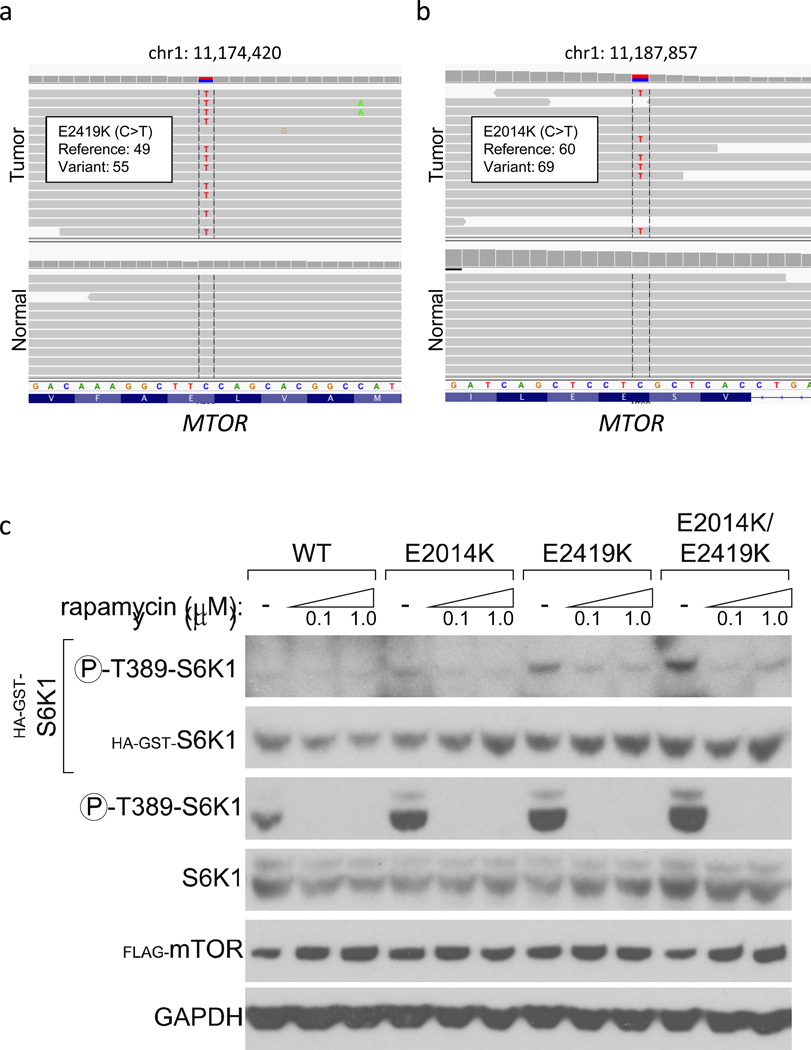
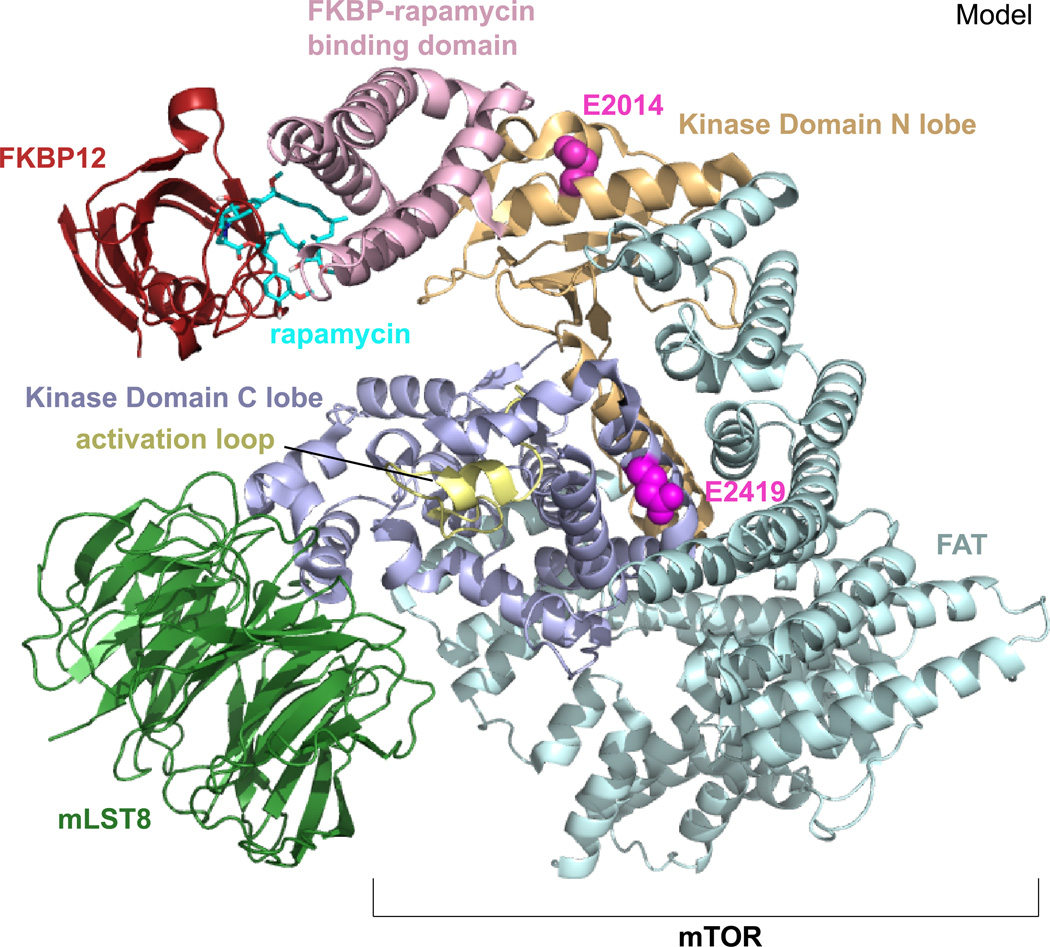
Understanding the genetic mechanisms of sensitivity to targeted anticancer therapies may improve patient selection, response to therapy, and rational treatment designs. One approach to increase this understanding involves detailed studies of exceptional responders: rare patients with unexpected exquisite sensitivity or durable responses to therapy. We identified an exceptional responder in a phase I study of pazopanib and everolimus in advanced solid tumors. Whole-exome sequencing of a patient with a 14-month complete response on this trial revealed two concurrent mutations in mTOR, the target of everolimus. In vitro experiments demonstrate that both mutations are activating, suggesting a biologic mechanism for exquisite sensitivity to everolimus in this patient. The use of precision (or "personalized") medicine approaches to screen patients with cancer for alterations in the mTOR pathway may help to identify subsets of patients who may benefit from targeted therapies directed against mTOR.
Figures
Comment in
-
[Targeting mTOR and identification of « exceptional responders »].Bull Cancer. 2014 Sep;101(9):775. doi: 10.1684/bdc.2014.2015. Bull Cancer. 2014. PMID: 25295532 French. No abstract available.
References
-
- Garraway LA. Genomics-driven oncology: framework for an emerging paradigm. Journal of clinical oncology : official journal of the American Society of Clinical Oncology. 2013 May 20;31(15):1806–1814. PubMed PMID: 23589557. - PubMed
-
- Park SR, Davis M, Doroshow JH, Kummar S. Safety and feasibility of targeted agent combinations in solid tumours. Nature reviews Clinical oncology. 2013 Mar;10(3):154–168. PubMed PMID: 23358316. - PubMed
-
- Appleby L, Morrissey S, Bellmunt J, Rosenberg J. Management of Treatment-Related Toxicity with Targeted Therapies for Renal Cell Carcinoma: Evidence-Based Practice and Best Practices. Hematology/Oncology Clinics of North America. 2011 Aug;25(4):893–915. - PubMed
-
- Sternberg CN, Davis ID, Mardiak J, Szczylik C, Lee E, Wagstaff J, et al. Pazopanib in Locally Advanced or Metastatic Renal Cell Carcinoma: Results of a Randomized Phase III Trial. Journal of Clinical Oncology. 2010 Feb 20;28(6):1061–1068. 2010. - PubMed
-
- Escudier BJ, Porta C, Bono P, De Giorgi U, Parikh O, Hawkins RE, et al. Patient preference between pazopanib (Paz) and sunitinib (Sun): Results of a randomized double-blind, placebo-controlled, cross-over study in patients with metastatic renal cell carcinoma (mRCC)--PISCES study, NCT 01064310. ASCO Meeting Abstracts. 2012 Jun 21;30(18_suppl):CRA4502. 2012.
Publication types
MeSH terms
Substances
Grants and funding
LinkOut - more resources
Full Text Sources
Other Literature Sources
Medical
Miscellaneous