Review
. 2014 Apr;32(4):177-85.
doi: 10.1016/j.tibtech.2014.02.006. Epub 2014 Mar 12.

Blood substitutes: why haven't we been more successful?

Affiliations
Review

Blood substitutes: why haven't we been more successful?

Abdu I Alayash. Trends Biotechnol. 2014 Apr.

Abstract

Persistent safety concerns have stalled the development of viable hemoglobin (Hb)-based oxygen carriers (HBOCs). HBOCs have several advantages over human blood, including availability, long-term storage, and lack of infectious risk. The basis of HBOC toxicity is poorly understood, however, several mechanisms have been suggested, including Hb extravasation across the blood vessel wall, scavenging of endothelial nitric oxide (NO), oversupply of oxygen, and heme-mediated oxidative side reactions. Although there are some in vitro and limited animal studies supporting these mechanisms, heme-mediated reactivity appears to provide an alternative path that can explain some of the observed pathophysiological changes. Moreover, recent mechanistic and animal studies support a role for globin and heme scavengers in controlling oxidative toxicity associated with Hb infusion.

Keywords: Blood substitutes; Heme; Hemoglobin; Oxidative toxicity.


Figures

Figure 1
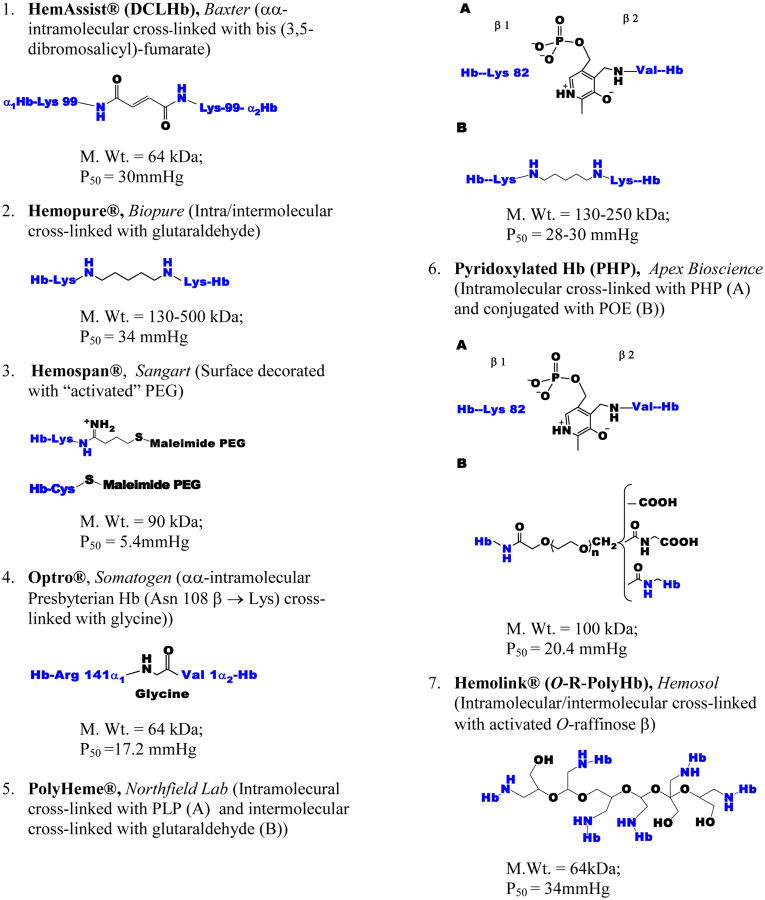
Figure 1. Nature and site(s) of modifications in some HBOCs that undergone clinical development
Both Optro and HemAssist are site-specifically cross-linked Hb tetramers. In Optro, the C-terminal Arg and the N- terminal Val of the two α subunits of a recombinant mutant Hb are bound together by a fusion junction of the sequence Arg(141α1)GlyVal(1α2). Acylation with bis(3,5 dibromosalicyl)-fumarate occurs between Lys99 of the two α chains to produce HemAssist also known as DCLHb (see Figure 2). Both Hemopure (bovine) and PolyHeme (human) are modified with glutaraldehyde, a five carbon dialdehyde which forms a Schiff base (imine) with lysine (amine) side chains of Hb. PolyHeme is also crosslinked with pyridoxal phosphate (PLP) between Val 1β and lysine β82. Hemospan is conjugated in a two-step procedure; first the surface lysine groups are modified with 2-iminothiolane to add new SH groups, and then maleimide-activated PEG-5000 side arms are coupled to the new sites. In the first step of Pyridoxylated Hb (PHP) preparation, a SFH is cross-linked with pyridoxal 5-phosphate and then conjugated with the bi-functional activated diester of α-carboxymethyl ω-carboxymethyl-polyoxyethylene (POE). In Hemolink, activated O-raffinose (hexaaldehyde) stabilizes the tetramer through three point covalent linkages within the DPG pocket and an intermolecular cross-linking of the stabilized tetramers.
Figure 2
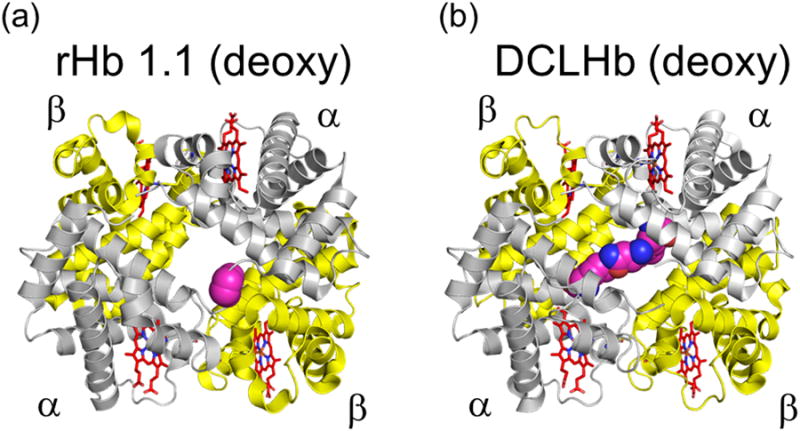
Figure 2. Graphic representations of two commonly tested HBOCs in humans
a) Optro™ (rHb 1.1, deoxy). This Hb is expressed as a crossed-linked deoxy form with glycine αα linked genes on expression plasmid (Hb Presbyterian (βN108K)). b) HemAssist (DCLHb™). This Hb is chemically cross-linked at the αα subunits with bis(3.5-dibromosalicyl)fumarate. Figures were constructed using the Adobe Illustrator (Adobe Systems Incorporated, Mountain View, CA) and PyMOL Molecular Graphics System (Schrodinger, LLC, New York, NY).
Figure 3
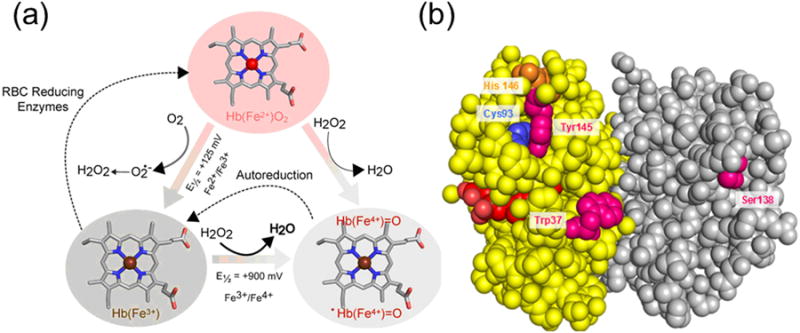
Figure 3. Redox cycles of hemoglobin and its transition into higher oxidation state (pseudoperoxidase) and subsequent oxidative changes
A) Pseudoperoxidase cycle Heme iron, a transition metal within the heme prosthetic group of Hb undergoes spontaneous oxidation from ferrous to ferric oxidation states. This process indirectly produces H2O2, which can further react with ferric and ferrous Hb to produce ferryl species and its protein cationic radical. Thermodynamically, these reactions are driven by the redox potentials of each pair. B) Protein-heme oxidative modifications and oxidation of amino acids. Hb Beta subunits (yellow) bear the burden of the radical chemistry as a handful of amino acids in the “hotspots” are targeted and are irreversibly oxidized. In addition, heme-to-protein linkages are formed which will ultimately result in heme loss.
Figure 4
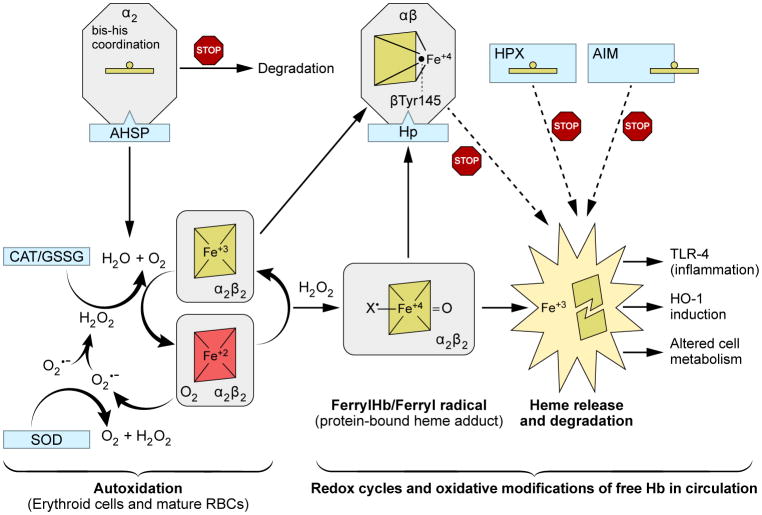
Figure 4. Mechanisms of hemoglobin oxidation and control
The scheme begins with the process of autoxidation that occurs inside and outside the RBCs. This process proceeds at much higher rates in circulation with minimum antioxidant and reductive mechanisms. Fueled by H2O2 free Hb will undergo a series of redox events, generating higher more reactive oxidative species, such ferryl and ferryl radicals. Oxidative changes that follow will ultimately led to unfolding of the protein and heme loss. Heme stimulates endothelial TLR4 singling and downstream oxidative responses which ultimately lead to altered cell metabolism. The scheme also outlines and contrasts the role of globin and heme scavengers at different stages to intercept the process of Hb oxidation. Starting within the erythroid, AHSP which locks newly synthesized α subunits in a stable hexacoordinate configuration unable to react with oxidants thus preventing subunits degradation [51]. This will enable α and β subunits to form first Hb tetramer in these cells. Hp on the other hand allows the αβ dimer to consume oxidants while in the meantime the Hb-Hp complex diffuses the emerging and damaging radicals and likely inhibiting heme loss from the complex. Hxp, a heme-binding scavenger forms the second line of defense against excess heme and when first line of scavengers of Hb such as Hp is overwhelmed. Hpx sequester heme in a hexacoordinate conformation in a complex with a 1:1 stoichiometry. Multiple other proteins such albumins, lipoproteins and A1M can bind and effectively remove some of the released heme [52].
Figure I
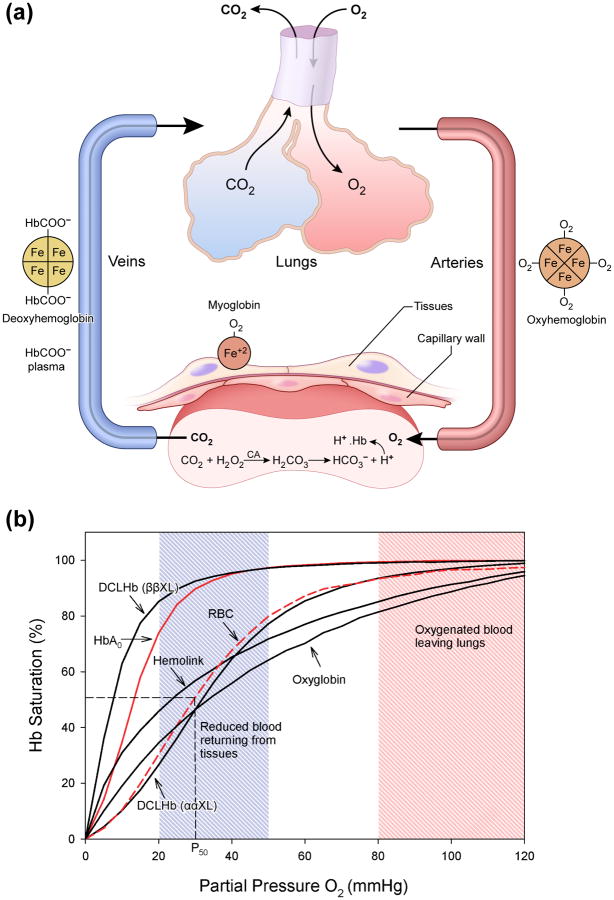
Figure I. Box 1. Gas exchange and performance of oxygen carriers
A) Gas exchange and transport by hemoglobin. Oxygen is carried from the lungs to the tissues by Hb, and CO2 is carried back to the lungs. Part of CO2 (∼20%) is carried on the amino termini of Hb as carbamino compounds (R-NH-COO + H+). The major mechanism for the transport of CO2 to the lungs is carried out in the plasma, i.e in the plasma as HCO3 (∼80%). This reaction is catalyzed by the enzyme carbonic anhydrase (CA). DeoxyHb picks up those protons and aids in the formation of bicarbonate ions from CO2 in the blood plasma. B) Oxygen equilibrium curves for some commonly used HBOCs compared with that of free hemoglobin and fresh red blood cells. OECs for several HBOCs compared with that of fresh RBCs (dotted red line) (P50 = 29-30 mmHg) and an isolated purified Hb (HbA0) (red line) (P50 = 8-12 mmHg). Some maintained their classical sigmoidal shape, whereas others lack such an important property, and are either left or right shifted and some curves do not reach the saturation levels at higher oxygen tension (i.e PO2 =100 mmHg) (see for example OECs of Hemolink and oxyglobin, an FDA approved HBOC for use in Veterinary Medicine).

References

    1. Kim HW, Greenburg AG. Artificial oxygen carriers as red blood cell substitutes: a selected review and current status. Art Organs. 2004;28:813–827. - PubMed
    1. Alayash AI. Setbacks in blood substitutes research and development: a biochemical perspective. Clin Lab Med. 2010;106:76–85. - PubMed
    1. Adamson JG, Moore C. Hemolink, an O-Raffinose crosslinked hemoglobin-based oxygen carrier. In: Chang TMS, editor. In blood substitutes, principles, methods, products and clinical trials. 1998. pp. 62–79.
    1. Varnado CL, et al. Development of recombinant hemoglobin-based oxygen carriers. Antioxid Redox Signal. 2013;18:2314–28. - PMC - PubMed
    1. Dickerson RE, Geis I, editors. Hemoglobin:strcture, function, evolution, and pathophysiology. Benjamin/Cummings publishing Company; 1983.

Publication types