Advanced glycation end products and diabetic complications
- PMID: 24634591
- PMCID: PMC3951818
- DOI: 10.4196/kjpp.2014.18.1.1
Advanced glycation end products and diabetic complications
Abstract
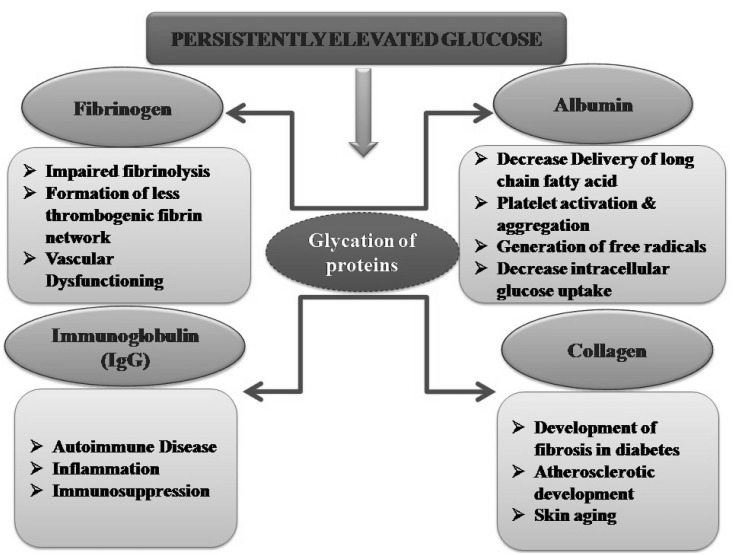
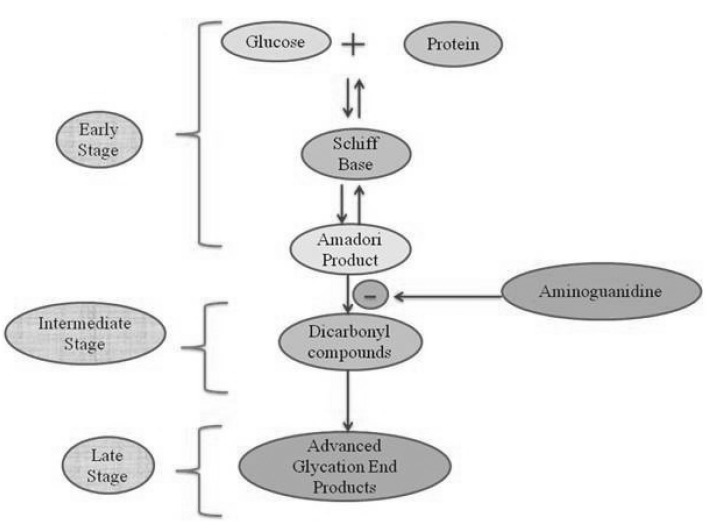
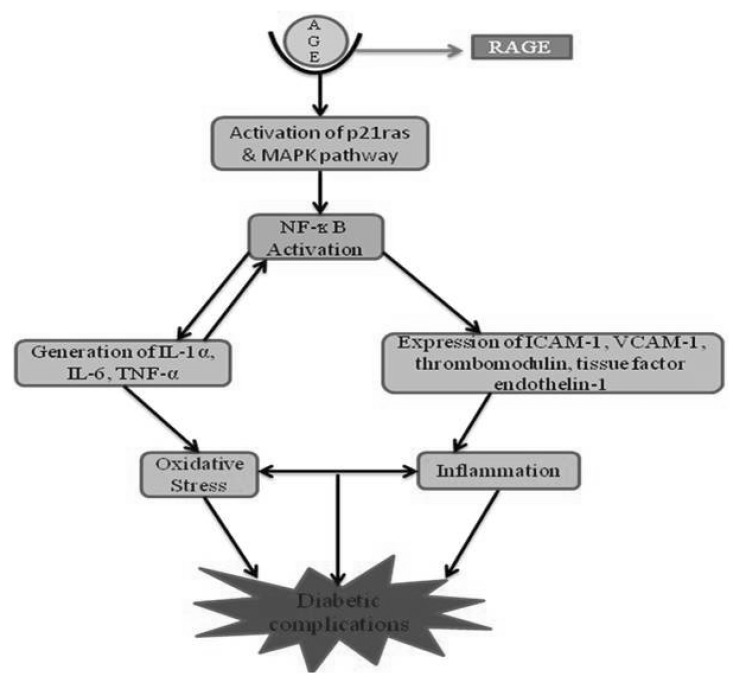
During long standing hyperglycaemic state in diabetes mellitus, glucose forms covalent adducts with the plasma proteins through a non-enzymatic process known as glycation. Protein glycation and formation of advanced glycation end products (AGEs) play an important role in the pathogenesis of diabetic complications like retinopathy, nephropathy, neuropathy, cardiomyopathy along with some other diseases such as rheumatoid arthritis, osteoporosis and aging. Glycation of proteins interferes with their normal functions by disrupting molecular conformation, altering enzymatic activity, and interfering with receptor functioning. AGEs form intra- and extracellular cross linking not only with proteins, but with some other endogenous key molecules including lipids and nucleic acids to contribute in the development of diabetic complications. Recent studies suggest that AGEs interact with plasma membrane localized receptors for AGEs (RAGE) to alter intracellular signaling, gene expression, release of pro-inflammatory molecules and free radicals. The present review discusses the glycation of plasma proteins such as albumin, fibrinogen, globulins and collagen to form different types of AGEs. Furthermore, the role of AGEs in the pathogenesis of diabetic complications including retinopathy, cataract, neuropathy, nephropathy and cardiomyopathy is also discussed.
Keywords: Advanced glycation end-products; Diabetic complications; Inflammation; Oxidative stress; Plasma proteins.
Figures
References
-
- Fraser DA, Hansen KF. Making sense of advanced glycation end products and their relevance to diabetic complications. Inter Diabetes Monitor. 2005;17:1–7.
-
- Negre-Salvayre A, Salvayre R, Augé N, Pamplona R, Portero-Otín M. Hyperglycemia and glycation in diabetic complications. Antioxid Redox Signal. 2009;11:3071–3109. - PubMed
Publication types
LinkOut - more resources
Full Text Sources
Other Literature Sources
Medical