


LPA receptor signaling: pharmacology, physiology, and pathophysiology
- PMID: 24643338
- PMCID: PMC4076099
- DOI: 10.1194/jlr.R046458
LPA receptor signaling: pharmacology, physiology, and pathophysiology
Abstract
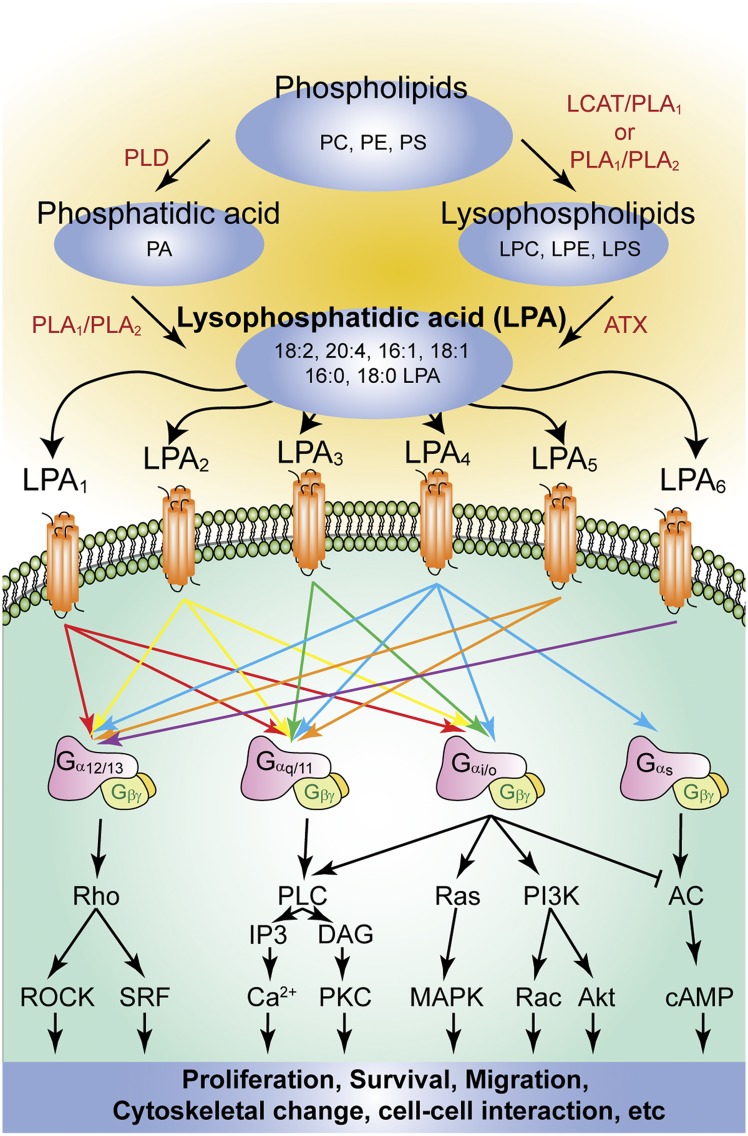
Lysophosphatidic acid (LPA) is a small ubiquitous lipid found in vertebrate and nonvertebrate organisms that mediates diverse biological actions and demonstrates medicinal relevance. LPA's functional roles are driven by extracellular signaling through at least six 7-transmembrane G protein-coupled receptors. These receptors are named LPA1-6 and signal through numerous effector pathways activated by heterotrimeric G proteins, including Gi/o, G12/13, Gq, and Gs LPA receptor-mediated effects have been described in numerous cell types and model systems, both in vitro and in vivo, through gain- and loss-of-function studies. These studies have revealed physiological and pathophysiological influences on virtually every organ system and developmental stage of an organism. These include the nervous, cardiovascular, reproductive, and pulmonary systems. Disturbances in normal LPA signaling may contribute to a range of diseases, including neurodevelopmental and neuropsychiatric disorders, pain, cardiovascular disease, bone disorders, fibrosis, cancer, infertility, and obesity. These studies underscore the potential of LPA receptor subtypes and related signaling mechanisms to provide novel therapeutic targets.
Keywords: atherosclerosis; autotaxin; brain lipids; cancer; fibrosis; lysophosphatidic acid; lysophospholipid; obesity; pain; reproduction.
Copyright © 2014 by the American Society for Biochemistry and Molecular Biology, Inc.
Figures
References
-
- Vogt W. 1963. Pharamacologically active acidic phospholipids and glycolipids. Biochem. Pharmacol. 12: 415–420 - PubMed
-
- Sen S., Smeby R. R., Bumpus F. M. 1968. Antihypertensive effect of an isolated phospholipid. Am. J. Physiol. 214: 337–341 - PubMed
-
- Tokumura A., Fukuzawa K., Tsukatani H. 1978. Effects of synthetic and natural lysophosphatidic acids on the arterial blood pressure of different animal species. Lipids. 13: 572–574 - PubMed
-
- Blankley C. J., Kaplan H. R. 1984. Biologically active phospholipids as potential cardiovascular drugs. Drug Develop. Res. 4: 351–372
Publication types
MeSH terms
Substances
Grants and funding
LinkOut - more resources
Full Text Sources
Other Literature Sources
Molecular Biology Databases
Miscellaneous
