


Whole-body cryotherapy: empirical evidence and theoretical perspectives
- PMID: 24648779
- PMCID: PMC3956737
- DOI: 10.2147/OAJSM.S41655
Whole-body cryotherapy: empirical evidence and theoretical perspectives
Abstract
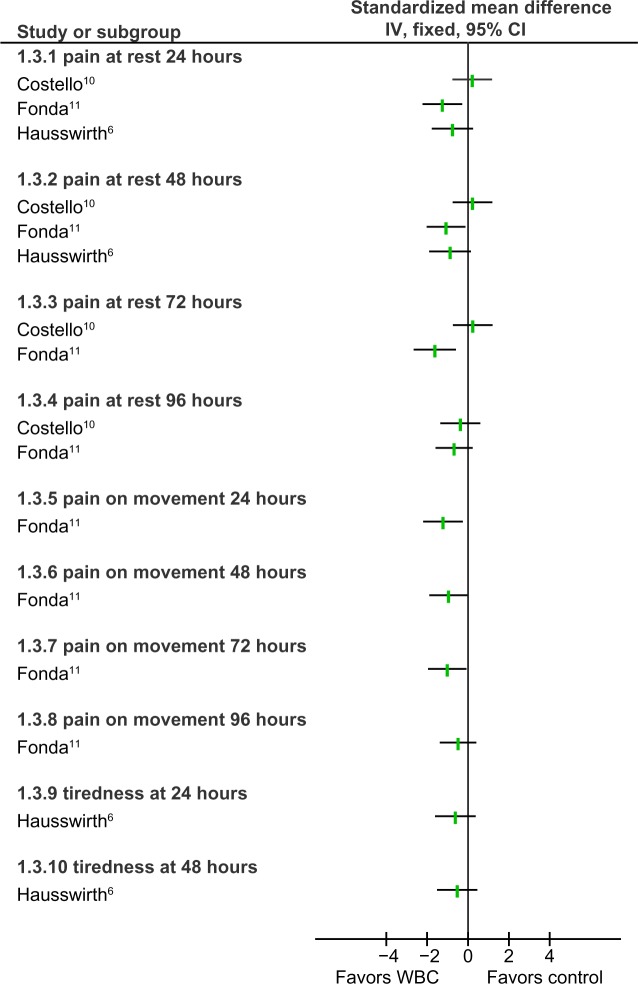
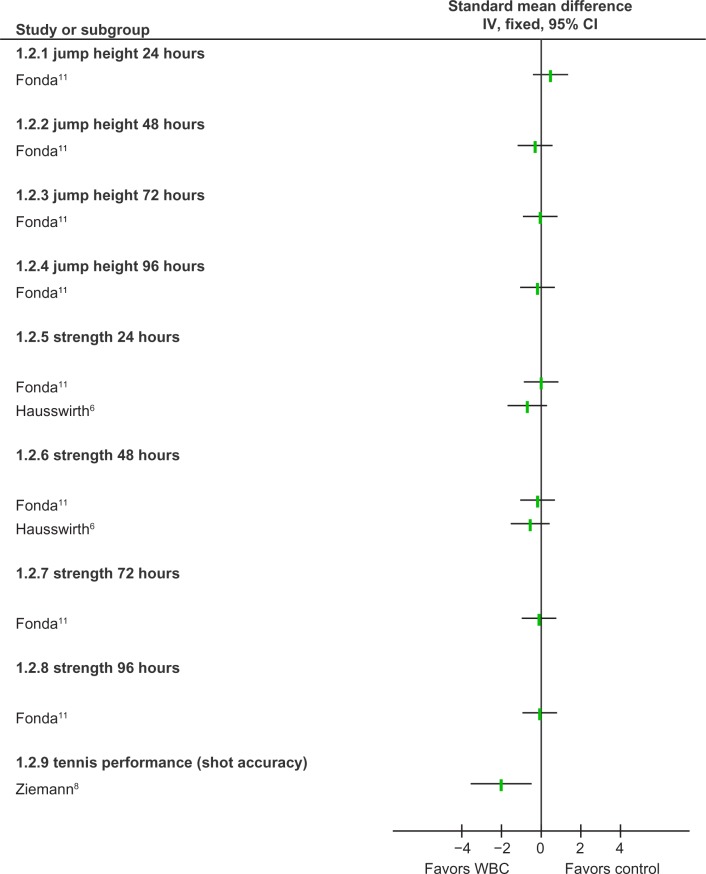
Whole-body cryotherapy (WBC) involves short exposures to air temperatures below -100°C. WBC is increasingly accessible to athletes, and is purported to enhance recovery after exercise and facilitate rehabilitation postinjury. Our objective was to review the efficacy and effectiveness of WBC using empirical evidence from controlled trials. We found ten relevant reports; the majority were based on small numbers of active athletes aged less than 35 years. Although WBC produces a large temperature gradient for tissue cooling, the relatively poor thermal conductivity of air prevents significant subcutaneous and core body cooling. There is weak evidence from controlled studies that WBC enhances antioxidant capacity and parasympathetic reactivation, and alters inflammatory pathways relevant to sports recovery. A series of small randomized studies found WBC offers improvements in subjective recovery and muscle soreness following metabolic or mechanical overload, but little benefit towards functional recovery. There is evidence from one study only that WBC may assist rehabilitation for adhesive capsulitis of the shoulder. There were no adverse events associated with WBC; however, studies did not seem to undertake active surveillance of predefined adverse events. Until further research is available, athletes should remain cognizant that less expensive modes of cryotherapy, such as local ice-pack application or cold-water immersion, offer comparable physiological and clinical effects to WBC.
Keywords: cooling; muscle damage; recovery; sport; whole-body cryotherapy.
Figures
References
-
- Hirvonen HE, Mikkelsson MK, Kautiainen H, Pohjolainen TH, Leirisalo-Repo M. Effectiveness of different cryotherapies on pain and disease activity in active rheumatoid arthritis. A randomised single blinded controlled trial. Clin Exp Rheumatol. 2006;24:295–301. - PubMed
-
- Banfi G, Lombardi G, Colombini A, Melegati G. Whole-body cryotherapy in athletes. Sports Med. 2010;40:509–517. - PubMed
-
- Bleakley CM, Glasgow PD, Philips P, et al. Guidelines on the Management of Acute Soft Tissue Injury Using Protection Rest Ice Compression and Elevation. London: ACPSM; 2011.
-
- Mila-Kierzenkowska C, WoŸniak A, WoŸniak B, et al. Whole body cryostimulation in kayaker women: a study of the effect of cryogenic temperatures on oxidative stress after the exercise. J Sports Med Phys Fitness. 2009;49:201–207. - PubMed
Publication types
LinkOut - more resources
Full Text Sources
Other Literature Sources
