The preclinical pharmacology of mephedrone; not just MDMA by another name
- PMID: 24654568
- PMCID: PMC3997268
- DOI: 10.1111/bph.12628
The preclinical pharmacology of mephedrone; not just MDMA by another name
Abstract
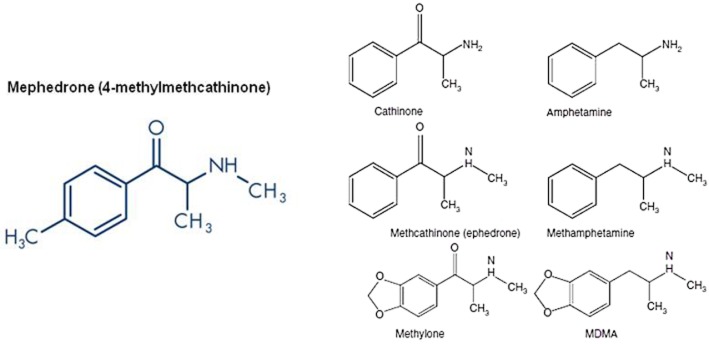
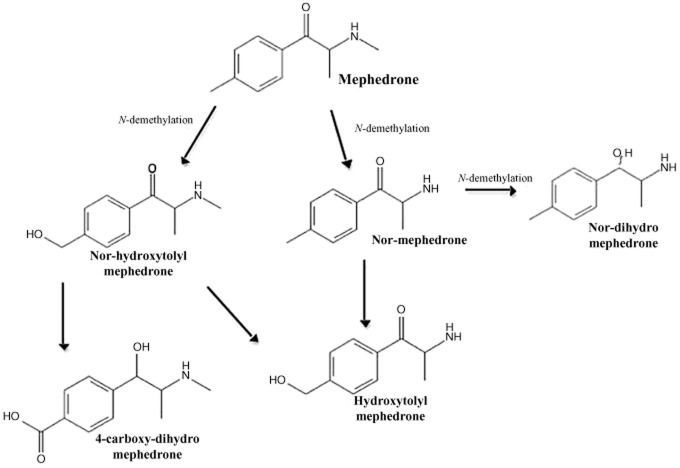
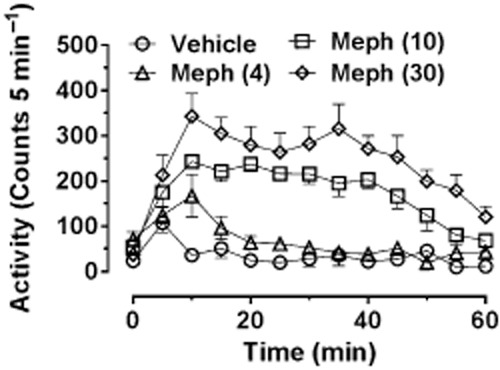
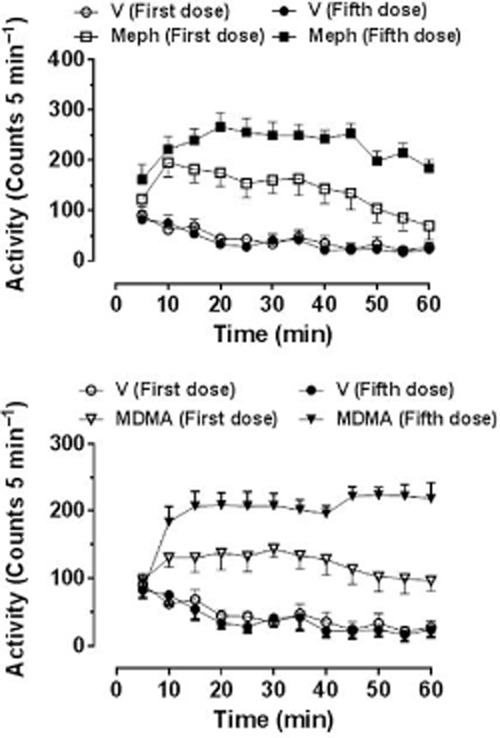
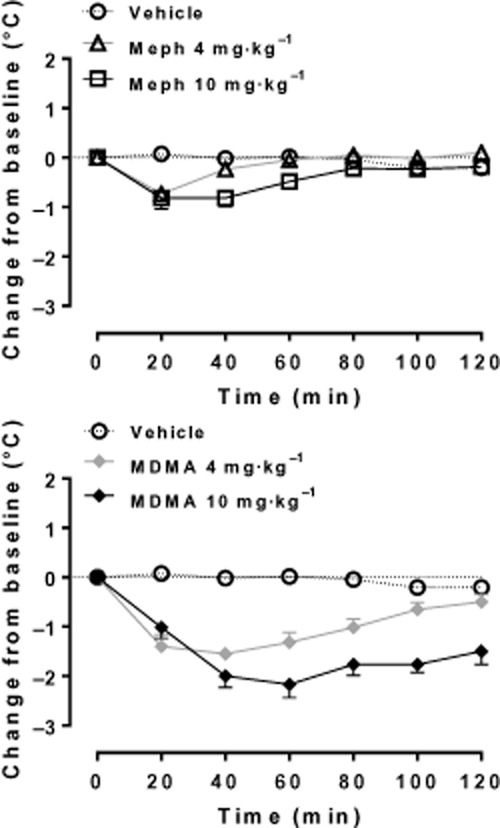
The substituted β-keto amphetamine mephedrone (4-methylmethcathinone) was banned in the UK in April 2010 but continues to be used recreationally in the UK and elsewhere. Users have compared its psychoactive effects to those of 3,4-methylenedioxymethamphetamine (MDMA, 'ecstasy'). This review critically examines the preclinical data on mephedrone that have appeared over the last 2-3 years and, where relevant, compares the pharmacological effects of mephedrone in experimental animals with those obtained following MDMA administration. Both mephedrone and MDMA enhance locomotor activity and change rectal temperature in rodents. However, both of these responses are of short duration following mephedrone compared with MDMA probably because mephedrone has a short plasma half-life and rapid metabolism. Mephedrone appears to have no pharmacologically active metabolites, unlike MDMA. There is also little evidence that mephedrone induces a neurotoxic decrease in monoamine concentration in rat or mouse brain, again in contrast to MDMA. Mephedrone and MDMA both induce release of dopamine and 5-HT in the brain as shown by in vivo and in vitro studies. The effect on 5-HT release in vivo is more marked with mephedrone even though both drugs have similar affinity for the dopamine and 5-HT transporters in vitro. The profile of action of mephedrone on monoamine receptors and transporters suggests it could have a high abuse liability and several studies have found that mephedrone supports self-administration at a higher rate than MDMA. Overall, current data suggest that mephedrone not only differs from MDMA in its pharmacological profile, behavioural and neurotoxic effects, but also differs from other cathinones.
Keywords: 5-hydroxytryptamine; MDMA; body temperature; cathinones; dopamine; drug metabolism; locomotion; mephedrone.
© 2014 The British Pharmacological Society.
Figures
References
-
- ACMD. 2010. Consideration of the cathinones. Home office report. Available at: http://www.homeoffice.gov.uk/publications/agencies-public-bodies/acmd1/a...(accessed 21/3/2014)
-
- Al-Sahli W, Ahmad H, Kheradmand F, Connolly C, Docherty JR. Effects of methylenedioxymethamphetamine on noradrenaline-evoked contractions of rat right ventricle and small mesenteric artery. Eur J Pharmacol. 2001;422:169–174. - PubMed
Publication types
MeSH terms
Substances
LinkOut - more resources
Full Text Sources
Other Literature Sources
Medical
Miscellaneous