


Impulsivity, aggression and brain structure in high and low lethality suicide attempters with borderline personality disorder
- PMID: 24656768
- PMCID: PMC4034388
- DOI: 10.1016/j.pscychresns.2014.02.006
Impulsivity, aggression and brain structure in high and low lethality suicide attempters with borderline personality disorder
Abstract
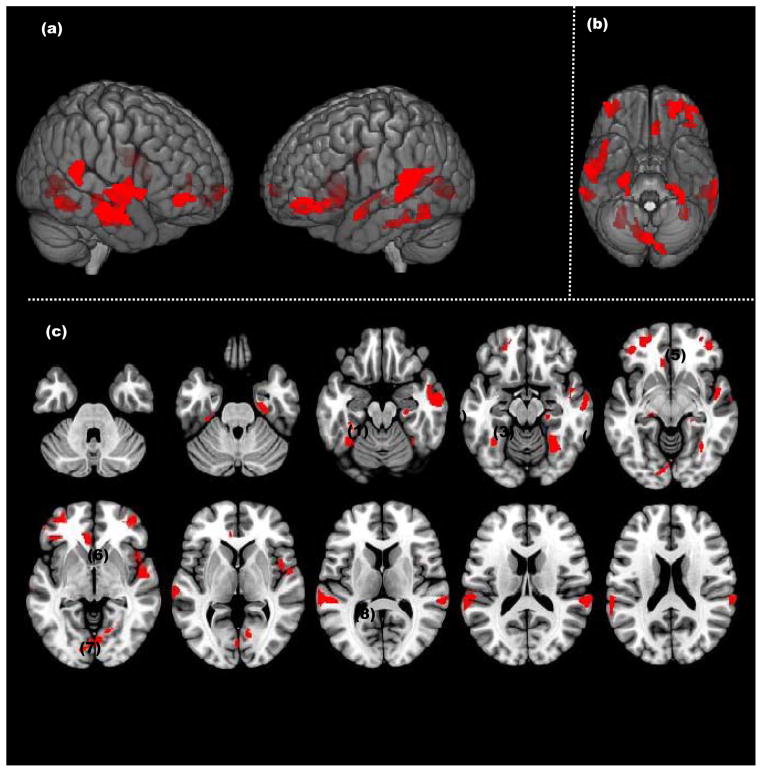
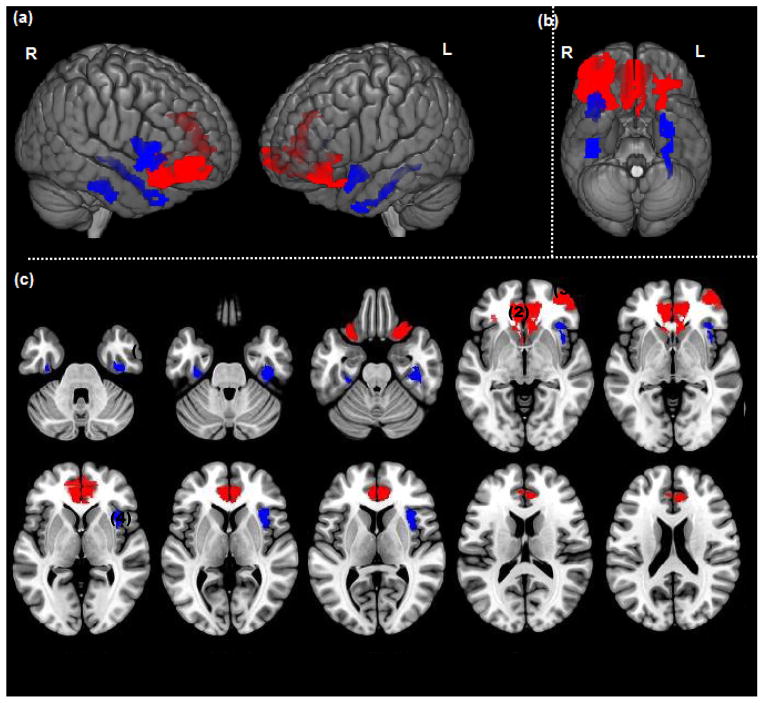
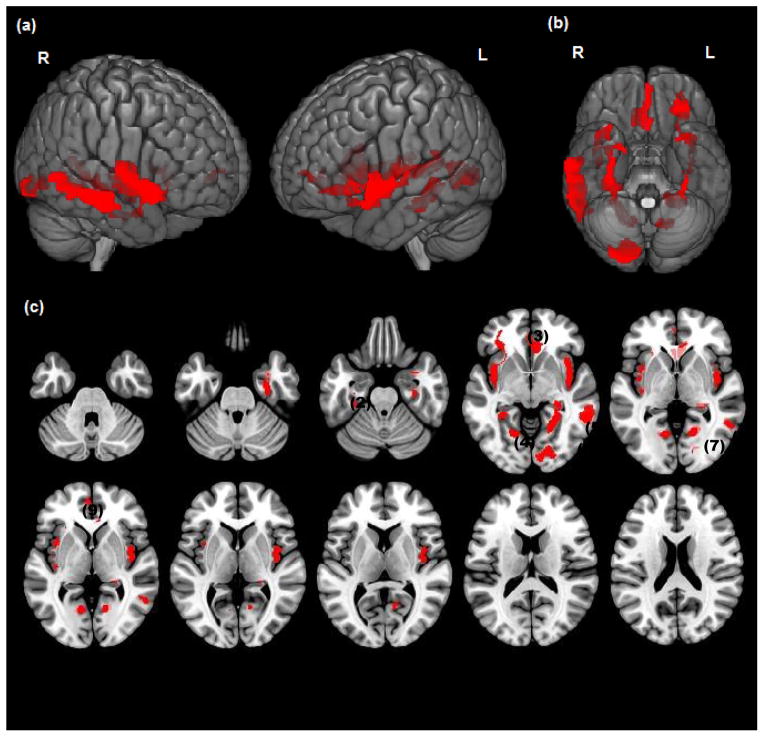
Impulsivity and aggressiveness are trait dispositions associated with the vulnerability to suicidal behavior across diagnoses. They are associated with structural and functional abnormalities in brain networks involved in regulation of mood, impulse and behavior. They are also core characteristics of borderline personality disorder (BPD), a disorder defined, in part, by recurrent suicidal behavior. We assessed the relationships between personality traits, brain structure and lethality of suicide attempts in 51 BPD attempters using multiple regression analyses on structural MRI data. BPD was diagnosed by the Diagnostic Interview for Borderline Patients-revised, impulsivity by the Barratt Impulsiveness Scale (BIS), aggression by the Brown-Goodwin Lifetime History of Aggression (LHA), and high lethality by a score of 4 or more on the Lethality Rating Scale (LRS). Sixteen High Lethality attempters were compared to 35 Low Lethality attempters, with no significant differences noted in gender, co-morbidity, childhood abuse, BIS or LHA scores. Degree of medical lethality (LRS) was negatively related to gray matter volumes across multiple fronto-temporal-limbic regions. Effects of impulsivity and aggression on gray matter volumes discriminated High from Low Lethality attempters and differed markedly within lethality groups. Lethality of suicide attempts in BPD may be related to the mediation of these personality traits by specific neural networks.
Keywords: Borderline personality disorder; Impulsive–aggression; Magnetic resonance imaging; Suicidal behavior.
Copyright © 2014 Elsevier Ireland Ltd. All rights reserved.
Figures
References
-
- Allison T, McCarthy G. Social perception from visual cues: role of the STS region. Trends in Cognitive Science. 2000;4 (7):267–277. - PubMed
-
- Ashburner J. A fast diffeomorphic image registration algorithm. NeuroImage. 2007;38(1):95–113. - PubMed
-
- Augustine JR. Circuitry and functional aspects of the insular lobe in primates including humans. Brain Research Reviews. 1996;22:229–244. - PubMed
-
- Barratt ES. Factor analysis of some psychometric measures of impulsiveness and anxiety. Psychological Reports. 1965;16:547–554. - PubMed
Publication types
MeSH terms
Grants and funding
LinkOut - more resources
Full Text Sources
Other Literature Sources
Miscellaneous
