


Salivary microbiota and metabolome associated with celiac disease
- PMID: 24657864
- PMCID: PMC4018861
- DOI: 10.1128/AEM.00362-14
Salivary microbiota and metabolome associated with celiac disease
Abstract
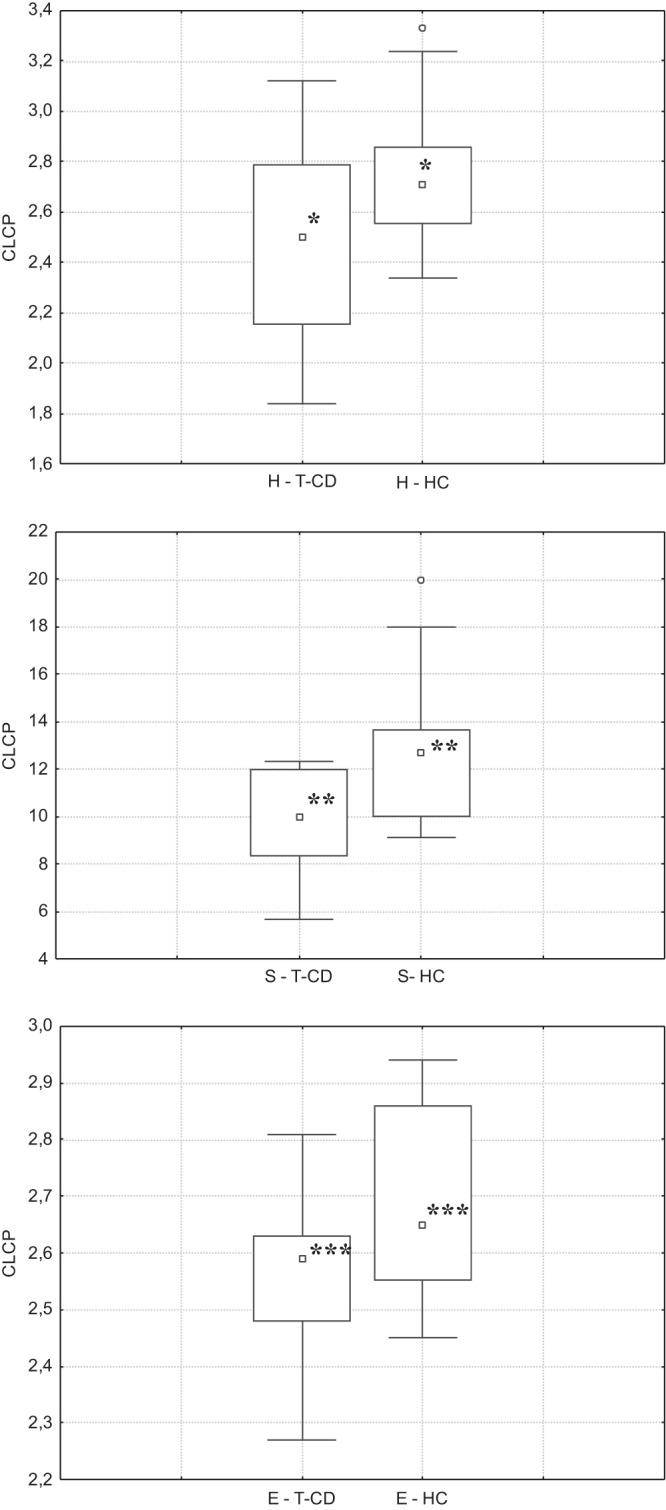
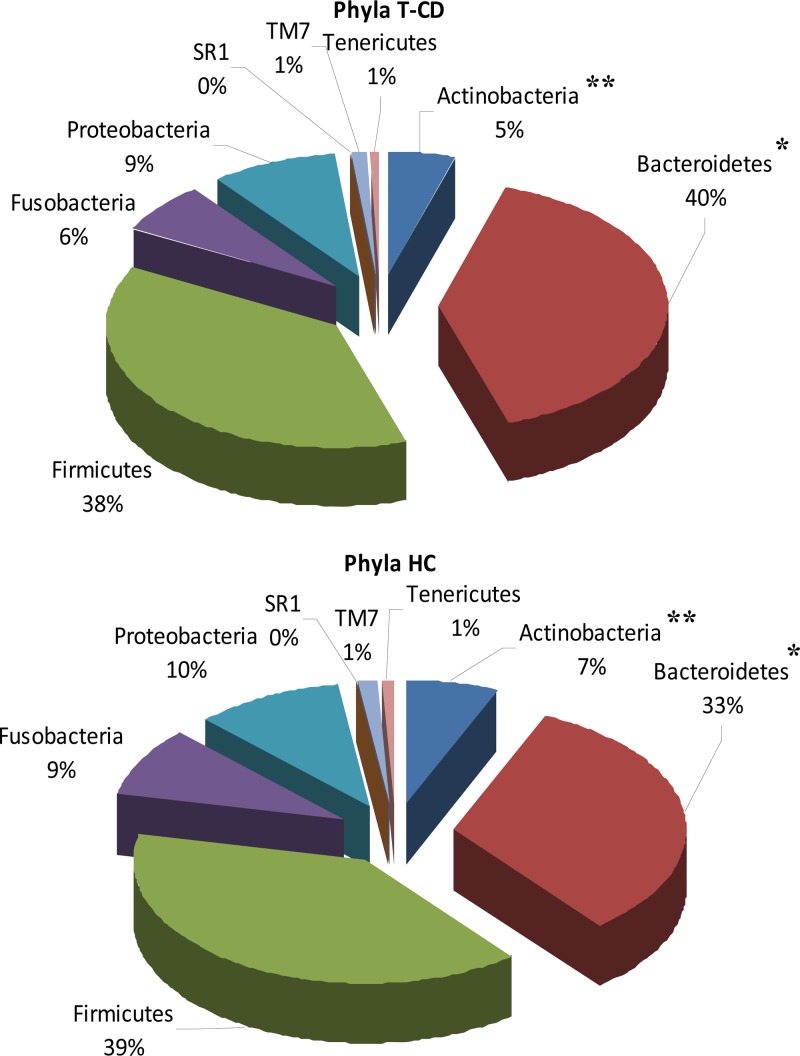
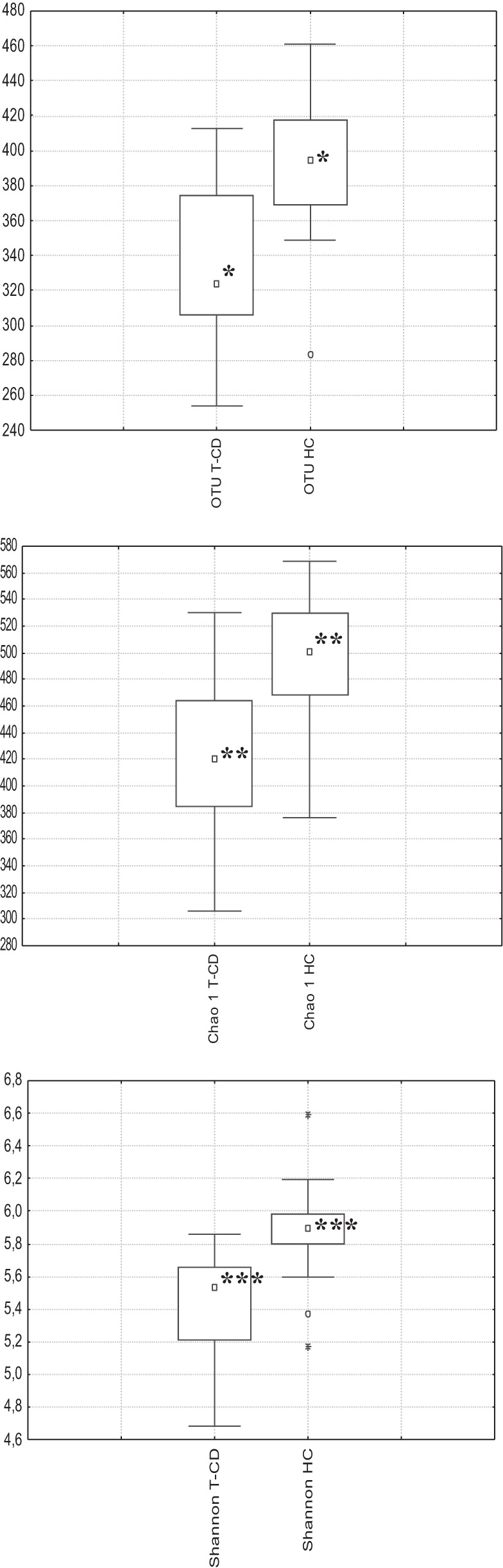
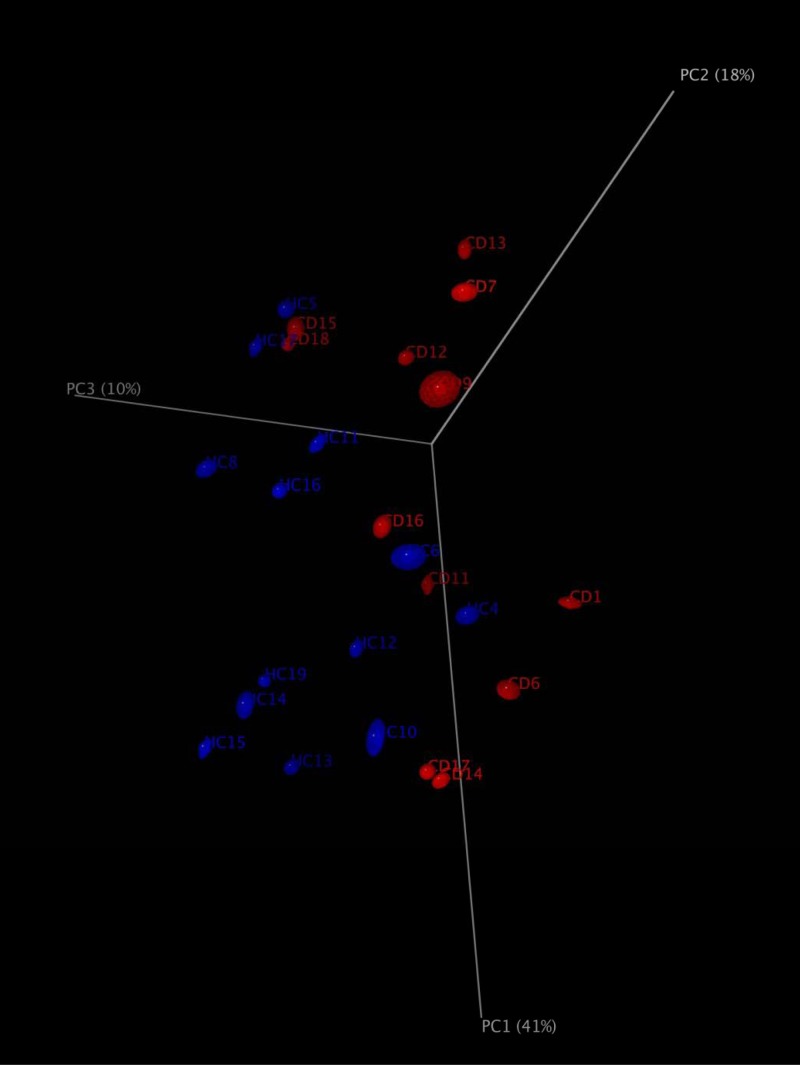
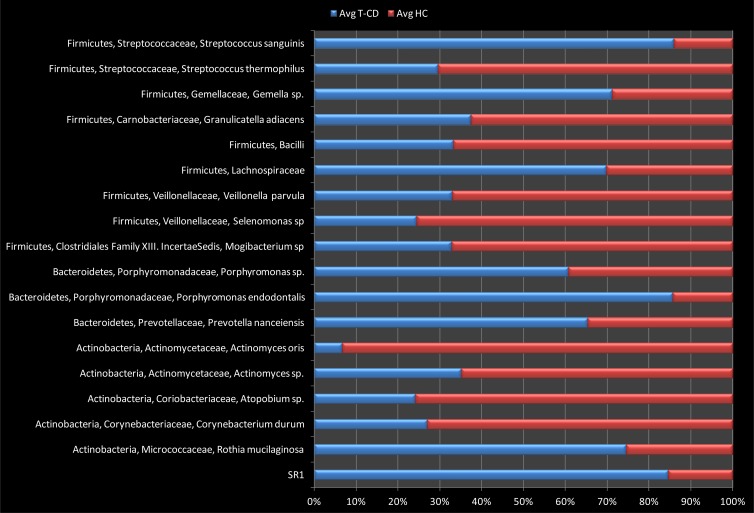
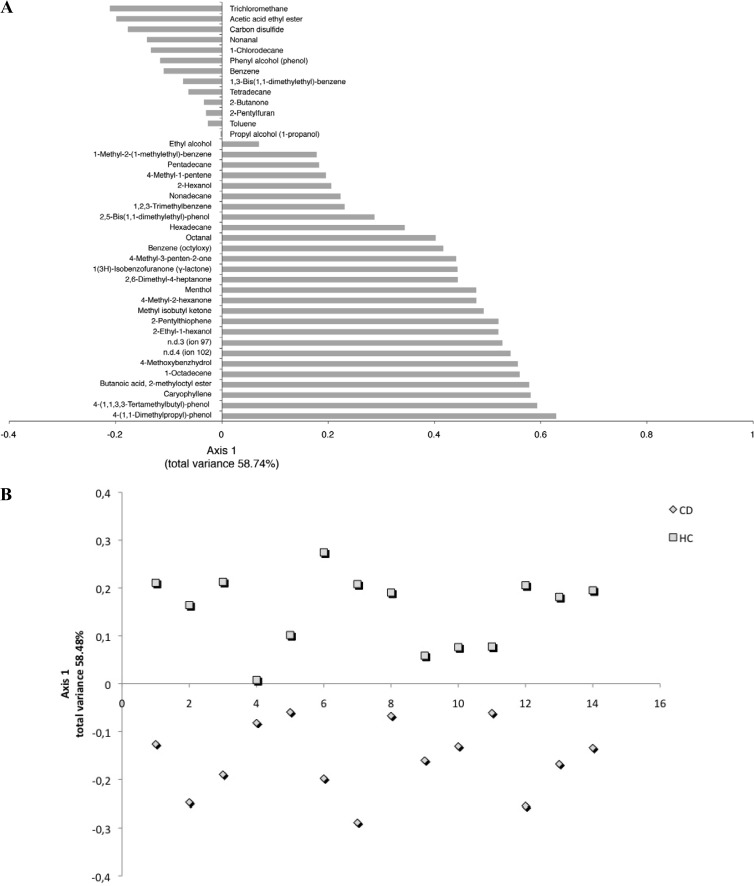
This study aimed to investigate the salivary microbiota and metabolome of 13 children with celiac disease (CD) under a gluten-free diet (treated celiac disease [T-CD]). The same number of healthy children (HC) was used as controls. The salivary microbiota was analyzed by an integrated approach using culture-dependent and -independent methods. Metabolome analysis was carried out by gas chromatography-mass spectrometry-solid-phase microextraction. Compared to HC, the number of some cultivable bacterial groups (e.g., total anaerobes) significantly (P < 0.05) differed in the saliva samples of the T-CD children. As shown by community-level catabolic profiles, the highest Shannon's diversity and substrate richness were found in HC. Pyrosequencing data showed the highest richness estimator and diversity index values for HC. Levels of Lachnospiraceae, Gemellaceae, and Streptococcus sanguinis were highest for the T-CD children. Streptococcus thermophilus levels were markedly decreased in T-CD children. The saliva of T-CD children showed the largest amount of Bacteroidetes (e.g., Porphyromonas sp., Porphyromonas endodontalis, and Prevotella nanceiensis), together with the smallest amount of Actinobacteria. T-CD children were also characterized by decreased levels of some Actinomyces species, Atopobium species, and Corynebacterium durum. Rothia mucilaginosa was the only Actinobacteria species found at the highest level in T-CD children. As shown by multivariate statistical analyses, the levels of organic volatile compounds markedly differentiated T-CD children. Some compounds (e.g., ethyl-acetate, nonanal, and 2-hexanone) were found to be associated with T-CD children. Correlations (false discovery rate [FDR], <0.05) were found between the relative abundances of bacteria and some volatile organic compounds (VOCs). The findings of this study indicated that CD is associated with oral dysbiosis that could affect the oral metabolome.
Figures
References
-
- Murray JA. 1999. The widening spectrum of celiac disease. Am. J. Clin. Nutr. 69:354–365 - PubMed
-
- Mina SS, Azcurra AI, Dorronsoro S, Brunotto MN. 2008. Alterations of the oral ecosystem in children with celiac disease. Acta Odontol. Latinoam. 21:121–126 http://www.actaodontologicalat.com/archivo/v21n2/fulltext/articulo2.pdf - PubMed
MeSH terms
Substances
Associated data
LinkOut - more resources
Full Text Sources
Other Literature Sources
Medical
Research Materials
