


Temperate Streptococcus thermophilus phages expressing superinfection exclusion proteins of the Ltp type
- PMID: 24659988
- PMCID: PMC3952083
- DOI: 10.3389/fmicb.2014.00098
Temperate Streptococcus thermophilus phages expressing superinfection exclusion proteins of the Ltp type
Abstract
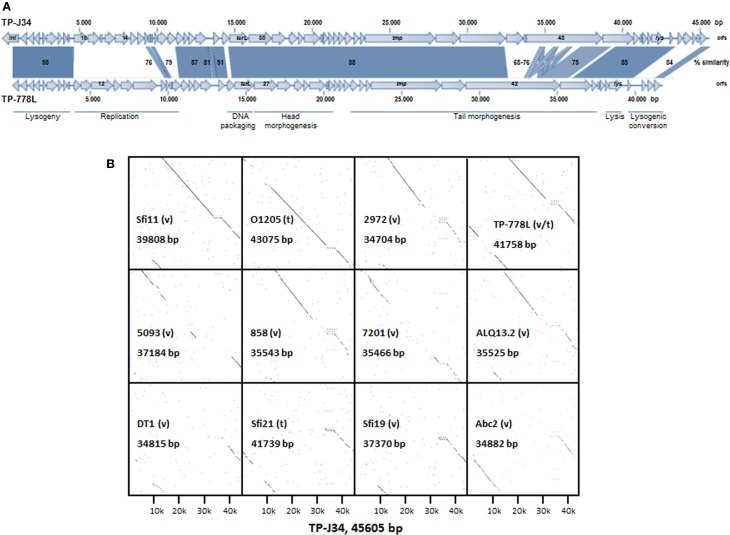
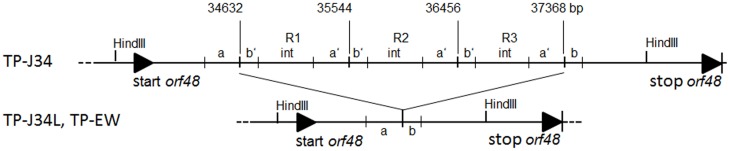
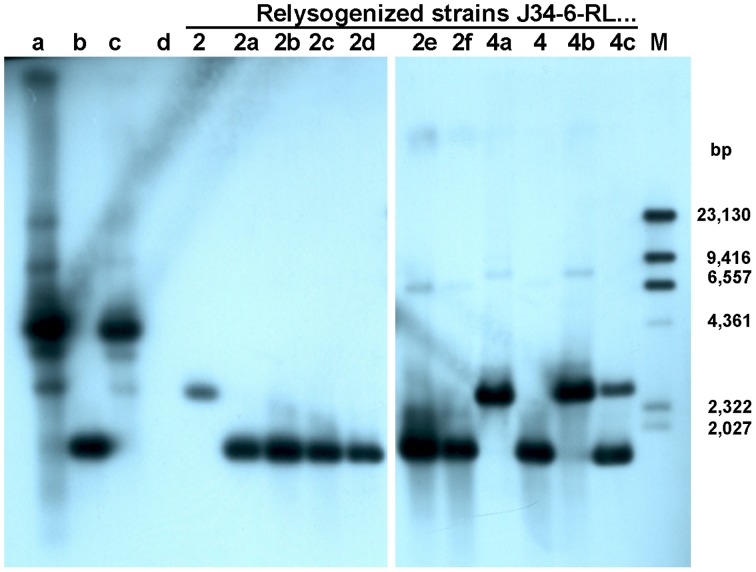
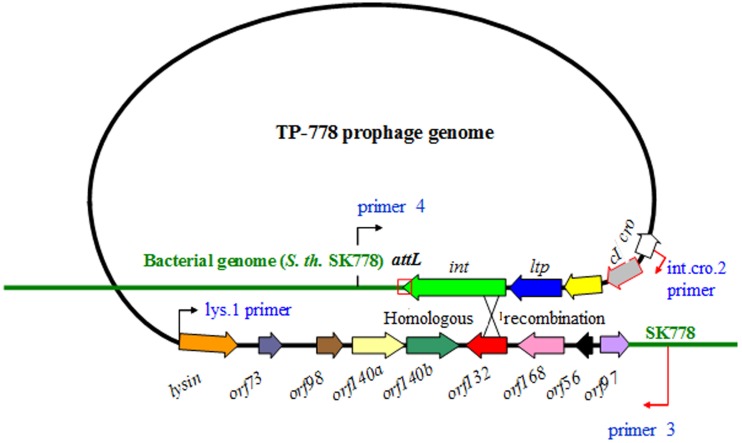
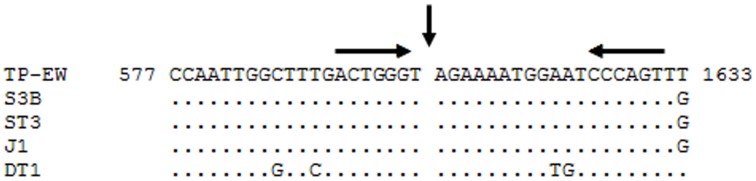
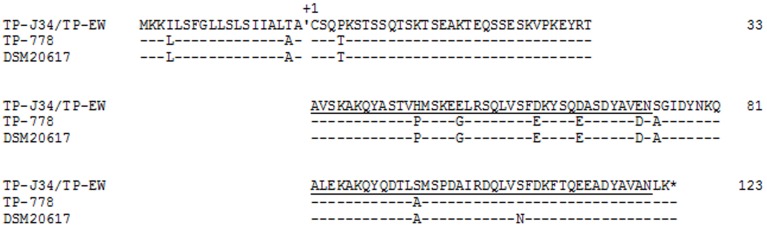
Lipoprotein Ltp encoded by temperate Streptococcus thermophilus phage TP-J34 is the prototype of the wide-spread family of host cell surface-exposed lipoproteins involved in superinfection exclusion (sie). When screening for other S. thermophilus phages expressing this type of lipoprotein, three temperate phages-TP-EW, TP-DSM20617, and TP-778-were isolated. In this communication we present the total nucleotide sequences of TP-J34 and TP-778L. For TP-EW, a phage almost identical to TP-J34, besides the ltp gene only the two regions of deviation from TP-J34 DNA were analyzed: the gene encoding the tail protein causing an assembly defect in TP-J34 and the gene encoding the lysin, which in TP-EW contains an intron. For TP-DSM20617 only the sequence of the lysogeny module containing the ltp gene was determined. The region showed high homology to the same region of TP-778. For TP-778 we could show that absence of the attR region resulted in aberrant excision of phage DNA. The amino acid sequence of mature LtpTP-EW was shown to be identical to that of mature LtpTP-J34, whereas the amino acid sequence of mature LtpTP-778 was shown to differ from mature LtpTP-J34 in eight amino acid positions. LtpTP-DSM20617 was shown to differ from LtpTP-778 in just one amino acid position. In contrast to LtpTP-J34, LtpTP-778 did not affect infection of lactococcal phage P008 instead increased activity against phage P001 was noticed.
Keywords: Streptococcus thermophilus; TP-778L; TP-DSM20617; TP-EW; TP-J34; prophage; superinfection exclusion.
Figures
References
-
- Beres S. B., Sylva G. L., Barbian K. D., Lei B., Hoff J. S., Mammarella N. D., et al. (2002). Genome sequence of a serotype M3 strain of group A Streptococcus: phage-encoded toxins, the high-virulence phenotype, and clone emergence. Proc. Natl. Acad. Sci. U.S.A. 99, 10078–10083 10.1073/pnas.152298499 - DOI - PMC - PubMed
LinkOut - more resources
Full Text Sources
Other Literature Sources
Molecular Biology Databases
Research Materials
