. 2014 Mar 24:5:3469.
doi: 10.1038/ncomms4469.

Mutations in epigenetic regulators including SETD2 are gained during relapse in paediatric acute lymphoblastic leukaemia

Affiliations

Mutations in epigenetic regulators including SETD2 are gained during relapse in paediatric acute lymphoblastic leukaemia

Brenton G Mar et al. Nat Commun. .

Abstract

Relapsed paediatric acute lymphoblastic leukaemia (ALL) has high rates of treatment failure. Epigenetic regulators have been proposed as modulators of chemoresistance, here, we sequence genes encoding epigenetic regulators in matched diagnosis-remission-relapse ALL samples. We find significant enrichment of mutations in epigenetic regulators at relapse with recurrent somatic mutations in SETD2, CREBBP, MSH6, KDM6A and MLL2, mutations in signalling factors are not enriched. Somatic alterations in SETD2, including frameshift and nonsense mutations, are present at 12% in a large de novo ALL patient cohort. We conclude that the enrichment of mutations in epigenetic regulators at relapse is consistent with a role in mediating therapy resistance.


Conflict of interest statement

Competing financial interests

The authors declare no competing financial interests.

Figures
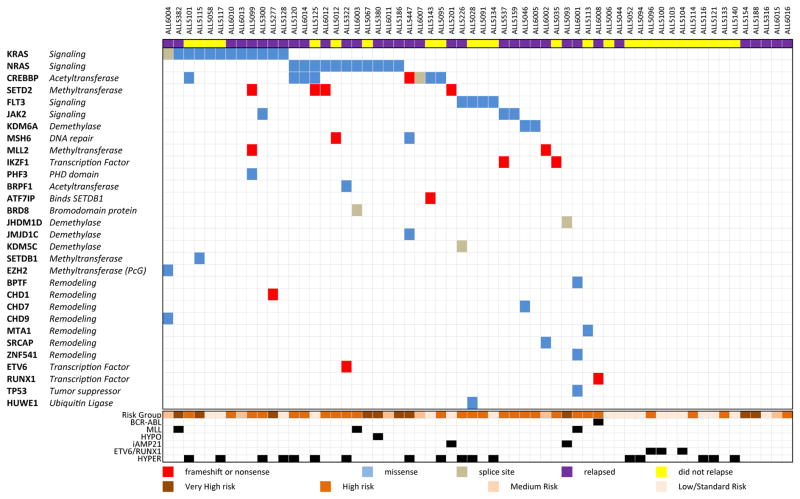
Figure 1
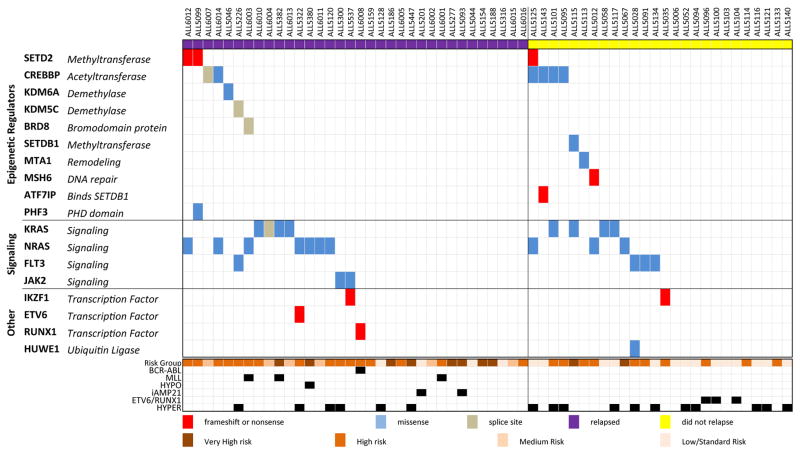
Figure 1. Targeted hybrid capture sequencing identified somatic mutations in 70% of BALL patients
Matched tumor-remission samples from 60 pediatric B-ALL were sequenced with targeted hybrid capture and somatic mutations in any tumor sample were identified. Genes on the left are organized by mutational frequency. The type of alteration is identified for each mutation as frameshift/stop, missense or splice site mutation. MLL: MLL rearranged, HYPO: Hypodiploidy, iAMP21: intrachromosomal amplification of chromosome 21, HYPER: Hyperdiploidy.
Figure 2
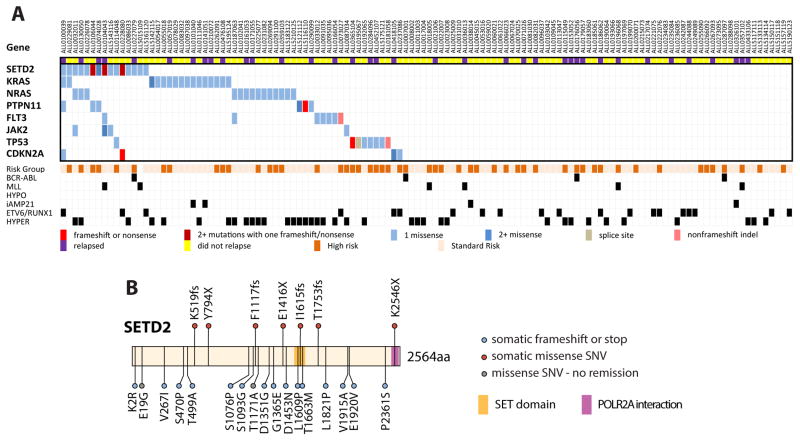
Figure 2. Mutations in epigenetic regulators occur in 25% of B-ALL patients at diagnosis, including SETD2
Matched diagnosis and remission sample pairs from 60 pediatric B-ALL patients were baited with target hybrid capture, Illumina sequenced and somatic mutations were identified. Patients are organized by those that eventually relapsed (on the left), and those that did not (on the right). Final risk category and molecular subtypes listed below. MLL: MLL rearranged, HYPO: Hypodiploidy, iAMP21: intrachromosomal amplification of chromosome 21, HYPER: Hyperdiploidy.
Figure 3
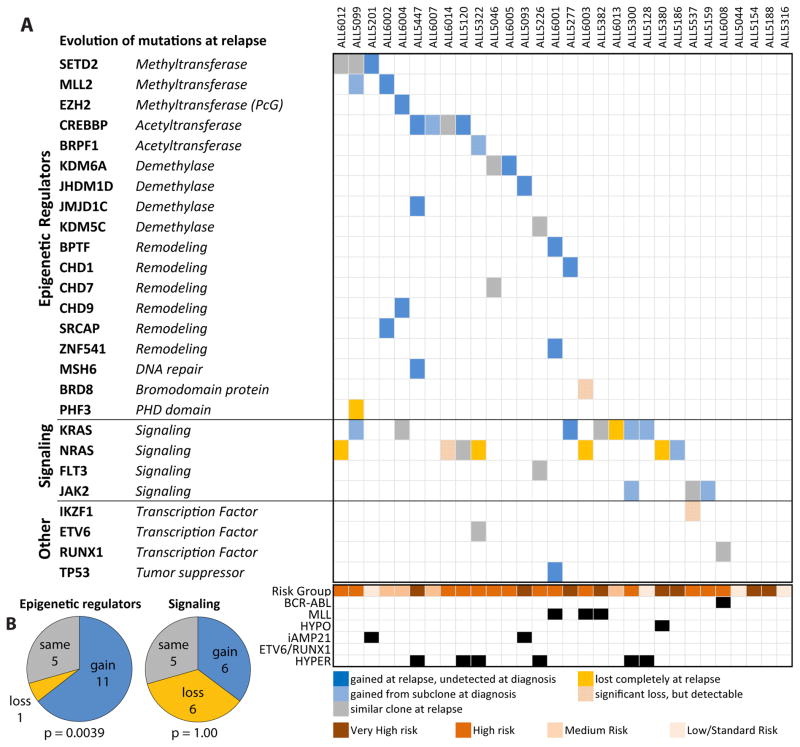
Figure 3. SETD2 Mutations in de novo ALL
A) Amplification and Illumina sequencing of coding exons of SETD2 and other frequently mutated genes in an validation cohort of 125 de novo ALL patients identified 20 additional SETD2 mutations in 15 patients (12%). Relapse status is noted above. Final risk category and molecular subtypes listed below. MLL: MLL rearranged, HYPO: Hypodiploidy, iAMP21: intrachromosomal amplification of chromosome 21, HYPER: Hyperdiploidy. B) Schematic of somatic SETD2 mutations found in ALL patients.
Figure 4
Figure 4. Relapsed B-ALL is enriched for mutations in epigenetic regulators
A) Gain or loss of somatic mutations in matched diagnosis-relapse samples from 30 pediatric B-ALL patients. Clonal mutations at relapse which were detected in a minor subclone at diagnosis and clonal mutations at diagnosis which became subclonal at relapse are shaded. MLL: MLL rearranged, HYPO: Hypodiploidy, iAMP21: intrachromosomal amplification of chromosome 21, HYPER: Hyperdiploidy. B) Comparison of the number of patients which gain, lose, or have the same number of mutations in epigenetic regulators and signaling factors at relapse. The McNemar test was used to calculate the P-values.

References

    1. Mullighan CG, et al. Genomic analysis of the clonal origins of relapsed acute lymphoblastic leukemia. Science. 2008;322:1377–80. - PMC - PubMed
    1. Zhang J, et al. The genetic basis of early T-cell precursor acute lymphoblastic leukaemia. Nature. 2012;481:157–163. - PMC - PubMed
    1. Holmfeldt L, et al. The genomic landscape of hypodiploid acute lymphoblastic leukemia. Nature genetics. 2013;45:242–52. - PMC - PubMed
    1. Mullighan CG, et al. CREBBP mutations in relapsed acute lymphoblastic leukaemia. Nature. 2011;471:235–9. - PMC - PubMed
    1. De Keersmaecker K, et al. Exome sequencing identifies mutation in CNOT3 and ribosomal genes RPL5 and RPL10 in T-cell acute lymphoblastic leukemia. Nature genetics. 2013;45:186–190. - PMC - PubMed

Publication types

MeSH terms

LinkOut - more resources