


Disparities in the burden, outcomes, and care of chronic kidney disease
- PMID: 24662984
- PMCID: PMC4126677
- DOI: 10.1097/01.mnh.0000444822.25991.f6
Disparities in the burden, outcomes, and care of chronic kidney disease
Abstract
Purpose of review: Racial, ethnic and socioeconomic disparities in chronic kidney disease (CKD) have been documented for decades, yet little progress has been made in mitigating them. Several recent studies offer new insights into the root causes of these disparities, point to areas in which future research is warranted, and identify opportunities for changes in policy and clinical practice.
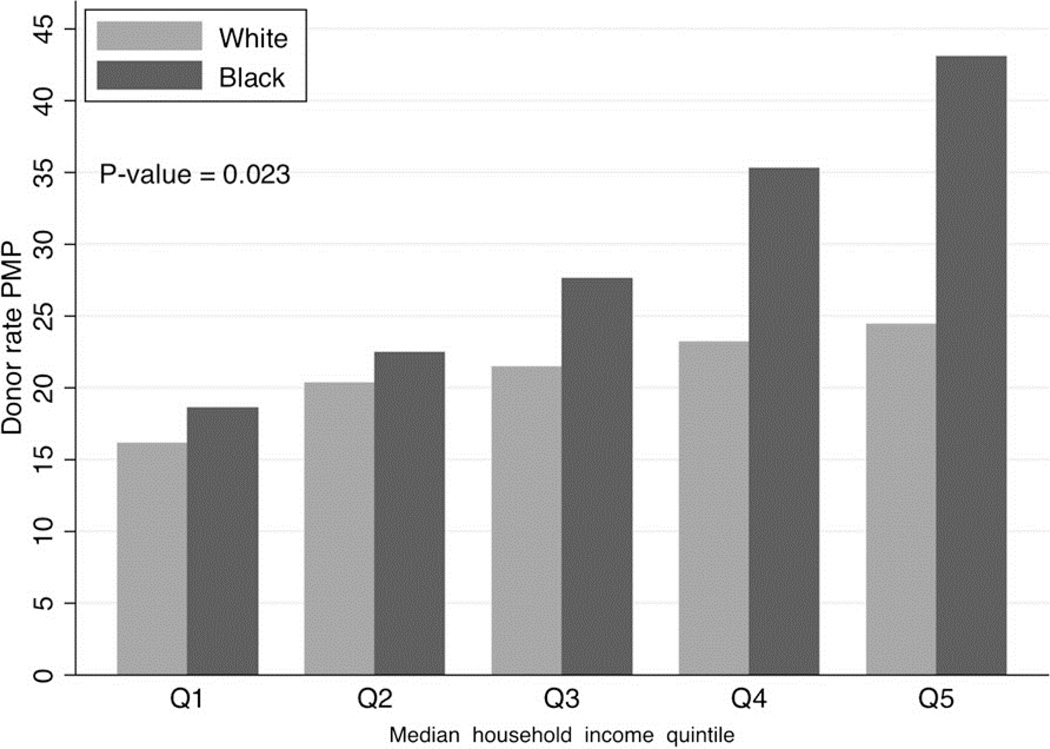
Recent findings: Recently published evidence suggests that geographic disparities in CKD prevalence exist and vary by race. CKD progression is more rapid for racial and ethnic minority groups compared with whites and may be largely, but not completely, explained by genetic factors. Stark socioeconomic disparities in outcomes for dialysis patients exist and vary by race, place of residence, and treatment facility. Disparities in access to living kidney donation may be driven primarily by the socioeconomic status of the donor as opposed to recipient factors.
Summary: Recent studies highlight opportunities to eliminate disparities in CKD, including efforts to direct resources to areas and populations where disparities are most prevalent, efforts to understand how to best use emerging information on the contribution of genetic factors to disparities, and continued work to identify modifiable environmental, social, and behavioral factors for targeted interventions among high-risk populations.
Conflict of interest statement
CONFLICTS OF INTEREST STATEMENT
The authors have no relevant conflicts of interest.
Figures
References
-
- Hossain MP, Goyder EC, Rigby JE, El Nahas M. CKD and poverty: a growing global challenge. Am J Kidney Dis. 2009;53:166–174. - PubMed
-
- Crews DC, Pfaff T, Powe NR. Socioeconomic factors and racial disparities in kidney disease outcomes. Seminars in nephrology. 2013;33:468–475. - PubMed
-
- Amaral S, Patzer RE, Kutner N, McClellan W. Racial disparities in access to pediatric kidney transplantation since share 35. J Am Soc Nephrol. 2012;23:1069–1077. - PubMed
-
- US Renal Data System. Bethesda, MD: 2012. USRDS 2012 annual data report: atlas of end-stage renal disease in the United States: National Institutes of Health, National Institute of Diabetes and Digestive and Kidney Disease.
Publication types
MeSH terms
Grants and funding
LinkOut - more resources
Full Text Sources
Other Literature Sources
Medical
