


The effects of imitative vs. Cognitive methods on the speech development of children with autism
- PMID: 24665326
- PMCID: PMC3943057
The effects of imitative vs. Cognitive methods on the speech development of children with autism
Abstract
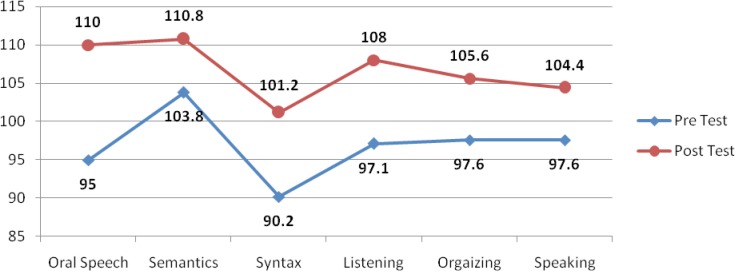
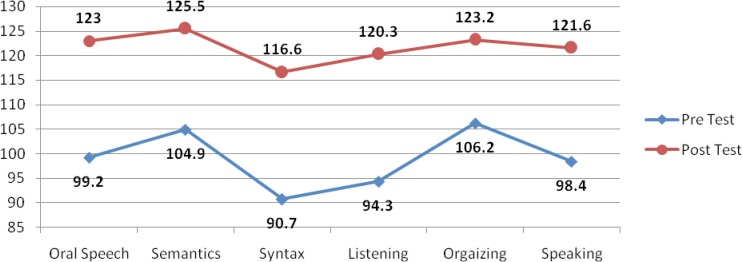
Objective: The present study was performed to examine the effects of two speech therapy methods on six verbal behaviors of autistic children, including oral speech, listening, organizing, speaking, semantics, and syntax.
Materials & methods: IN THIS STUDY, THIRTY CHILDREN WITH AUTISM WERE ASSIGNED TO ONE OF TWO GROUPS: imitative and cognitive groups. Before starting the main procedures of the study, the children of both groups were homogenized concerning their autism level. In the first phase of the study, the speech development level of the two groups was measured in a pre-test, in which both groups showed similar results. Then, both groups of children received 6 months of speech therapy instruction, during which one group was taught using an imitative method, while the other group was being worked with cognitive method.
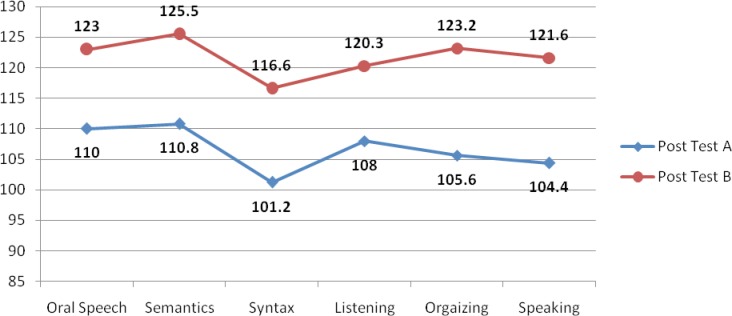
Results: After 6-month treatment period, a post-test was done, and the t-tests based on the data of the two groups revealed a significant difference between the results.
Conclusion: The statistics showed that after the teaching period, autistic that worked with cognitive method gained a better development in their speech abilities, comparing to those worked with the imitative method.
Keywords: Autism; Cognitive method; Imitative method; Speech development.
Figures
References
-
- Samadi SA, Mahmoodizadeh A, McConkey R. A national study of the prevalence of Autism among five year old children in Iran. Autism. 2012;16(1):5–14. - PubMed
-
- Fombonne E, Simmons H, Ford T, Meltzer H, Goodman R. Prevalence of pervasive developmental disorders in the British nationwide survey of child mental health. J Am Acad Child Adolesc Psychiatry. 2001;40(7):820–7. - PubMed
-
- Fombonne , E The changing epidemiology of Autism. J Appl Res Intellect Disabil. 2005;18(4):281–94.
-
- Filipek PA, Accardo PJ, Ashwal S, Baranek GT, Cook EH Jr, Dawson G, et al. Practice parameter: screening and diagnosis of autism: report of the Quality Standards Subcommittee of the American Academy of Neurology and the Child Neurology Society. Neurology. 2000;55(4):468–79. - PubMed
-
- Samadi SA. Comparative policy brief: status of intellectual disabilities in the Islamic republic of Iran. J Policy Pract Intellect Disabil. 2008;5:129–32.
LinkOut - more resources
Full Text Sources
Research Materials