


Reproductive tract tumours: the scourge of woman reproduction ails Indian rhinoceroses
- PMID: 24671211
- PMCID: PMC3966795
- DOI: 10.1371/journal.pone.0092595
Reproductive tract tumours: the scourge of woman reproduction ails Indian rhinoceroses
Abstract
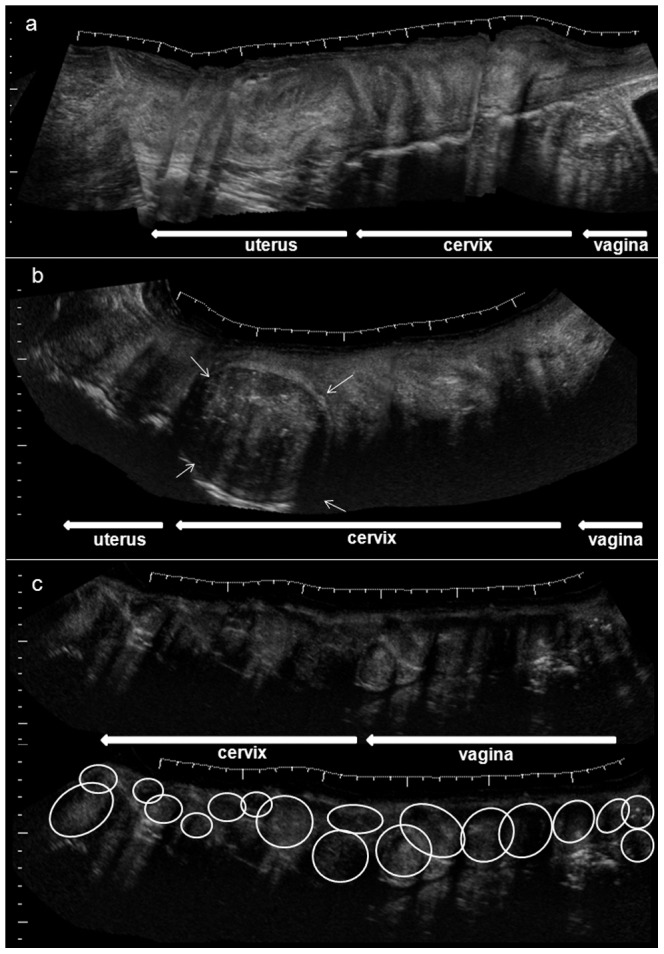
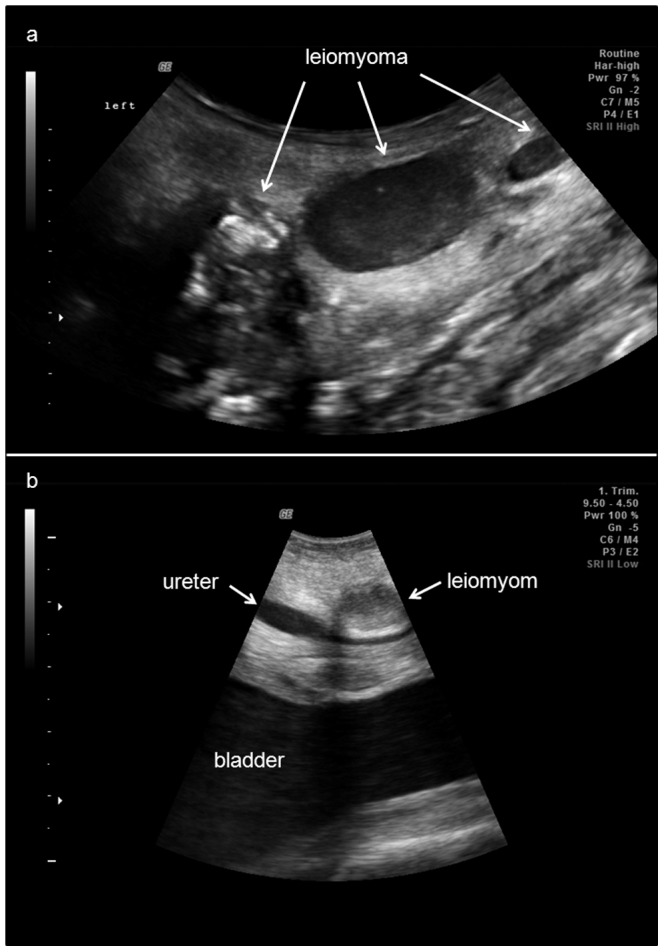
In Indian rhinoceros, extensive leiomyoma, a benign smooth muscle tumour, was sporadically diagnosed post mortem and commonly thought of as contributing factor for reduced fecundity of this species in captivity. However, to date, the prevalence of reproductive tract tumours and their relevance for fecundity are unknown. Our analysis of the international studbook now reveals that females cease reproducing at the age of 18.1±1.2 years; equivalent to a reproductive lifespan of just 9.5±1.3 years. This short reproductive life is in sharp contrast to their longevity in captivity of over 40 years. Here we show, after examining 42% of the captive female population, that age-related genital tract tumours are highly prevalent in this endangered species. Growth and development of these tumours was found to be age-related, starting from the age of 10 years. All females older than 12 years had developed genital tumours, just 7-9 years past maturity. Tumour sizes ranged from 1.5-10 cm. With age, tumours became more numerous, sometimes merging into one large diffuse tumour mass. These tumours, primarily vaginal and cervical, presumably cause widespread young-age infertility by the age of 18 years. In few cases, tumour necrosis suggested possible malignancy of tumours. Possible consequences of such genital tract tumour infestation are hindered intromission, pain during mating, hampered sperm passage, risk of ascending infection during pregnancy, dystocia, or chronic vaginal bleeding. In humans, leiomyoma affect up to 80% of pre-menopause women. While a leading cause for infertility, pregnancy is known to reduce the risk of tumour development. However, different from human, surgical intervention is not a viable treatment option in rhinoceroses. Thus, in analogy to humans, we suggest early onset and seamless consecutive pregnancies to help reduce prevalence of this disease, better maintain a self-sustained captive population and improve animal welfare.
Conflict of interest statement
Figures
References
-
- IUCN (2013) African rhinos won't hold out for much longer, IUCN experts warn. Available: http://www.webcitation.org/6IrjBYZBh. Accessed 2013 Aug 14.
-
- WWF (2010) Javan rhino found dead in Vietnam. Available: http://www.webcitation.org/6IrjW0nCz. Accessed 2013 Aug 14.
-
- Foose TJ, van Strien NJ (1997) Asian rhinos: Status survey and conservation action plan. Gland, Switzerland: IUCN. i-v, 1–112 p.
-
- Dinerstein E (2003) The Return of the Unicorns: The Natural History and Conservation of the Greater One-Horned Rhinoceros. New York: Columbia University Press. 384 p.
-
- von Houwald F, Pagan O (2012) Greater One-Horned or Indian Rhinoceros Rhinoceros unicornis Linné 1758, International Studbook 2011. Basel, Switzerland: Basel Zoo. 63 p.
MeSH terms
LinkOut - more resources
Full Text Sources
Other Literature Sources
Miscellaneous
