


Coexistence of abdominal cocoon, intestinal perforation and incarcerated Meckel's diverticulum in an inguinal hernia: A troublesome condition
- PMID: 24672651
- PMCID: PMC3964416
- DOI: 10.4240/wjgs.v6.i3.51
Coexistence of abdominal cocoon, intestinal perforation and incarcerated Meckel's diverticulum in an inguinal hernia: A troublesome condition
Abstract
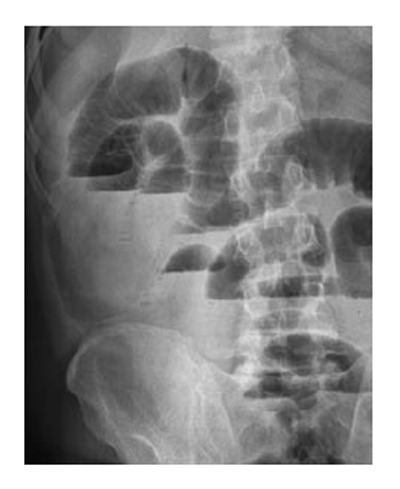
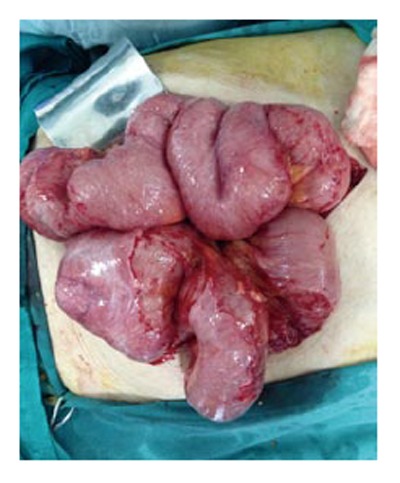
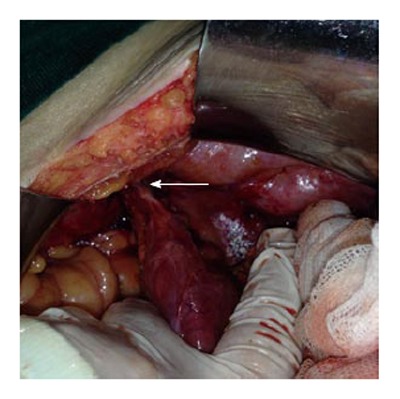
Sclerosing encapsulating peritonitis (SEP) is a rare disease entity, in which the small intestine becomes encased and mechanically obstructed by a dense, fibrotic membrane. The disorder is characterized as either primary (idiopathic) or secondary to other causes. The idiopathic cases of SEP, which lack any identifiable etiology according to clinical, radiological and histopathological findings, are also reported under the designation of abdominal cocoon syndrome. The most frequent presenting symptoms of all SEP cases are nausea, vomiting, abdominal distention and inability to defecate, all of which are associated with the underlying intestinal obstruction. Persistent untreated SEP may advance to intestinal perforation, representing a life-threatening condition. However, preoperative diagnosis remains a particular clinical challenge, and most diagnoses are confirmed only when the typical fibrous membrane encasing the small intestine is discovered by laparotomy. Here, we report the clinical presentation of an 87-year-old male with signs of intestinal obstruction and the ultimate diagnosis of concurrent abdominal cocoon, right incarcerated Meckel's diverticulum, and gastrointestinal perforation in laparotomy.
Keywords: Cocoon syndrome; Meckel’s diverticulum; Perforation; Sclerosing encapsulating peritonitis.
Figures
References
-
- Kumar J, Garg A, Chowdhury V, Prakash A, Singh S. Abdominal cocoon--a rare case of intestinal obstruction. A report of two cases. Arab J Gastroenterol. 2012;13:188–190. - PubMed
-
- Wani I, Ommid M, Waheed A, Asif M. Tuberculous abdominal cocoon: original article. Ulus Travma Acil Cerrahi Derg. 2010;16:508–510. - PubMed
-
- Solak A, Solak İ. Abdominal cocoon syndrome: preoperative diagnostic criteria, good clinical outcome with medical treatment and review of the literature. Turk J Gastroenterol. 2012;23:776–779. - PubMed
Publication types
LinkOut - more resources
Full Text Sources
Other Literature Sources
