Review
. 2013 Sep;6(3):111-25.
doi: 10.2478/intox-2013-0019.

Hyaluronan and synovial joint: function, distribution and healing

Affiliations
Review

Hyaluronan and synovial joint: function, distribution and healing

Tamer Mahmoud Tamer. Interdiscip Toxicol. 2013 Sep.

Abstract

Synovial fluid is a viscous solution found in the cavities of synovial joints. The principal role of synovial fluid is to reduce friction between the articular cartilages of synovial joints during movement. The presence of high molar mass hyaluronan (HA) in this fluid gives it the required viscosity for its function as lubricant solution. Inflammation oxidation stress enhances normal degradation of hyaluronan causing several diseases related to joints. This review describes hyaluronan properties and distribution, applications and its function in synovial joints, with short review for using thiol compounds as antioxidants preventing HA degradations under inflammation conditions.

Keywords: antioxidant; hyaluronan; synovial joint fluid; thiol compound.


Figures
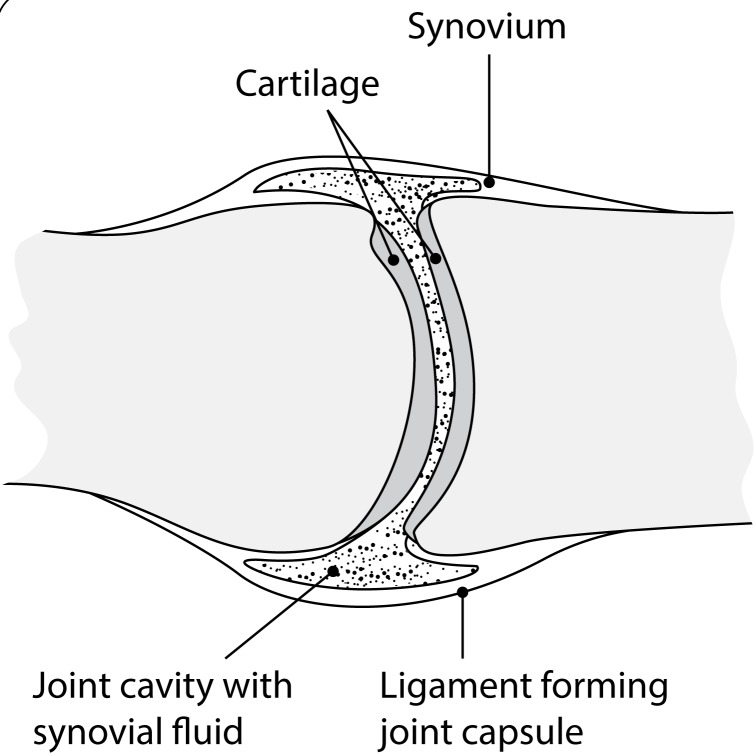
Figure 1
Figure 1
Normal, healthy synovial joint (adapted from Kogan, 2010).
Figure 2
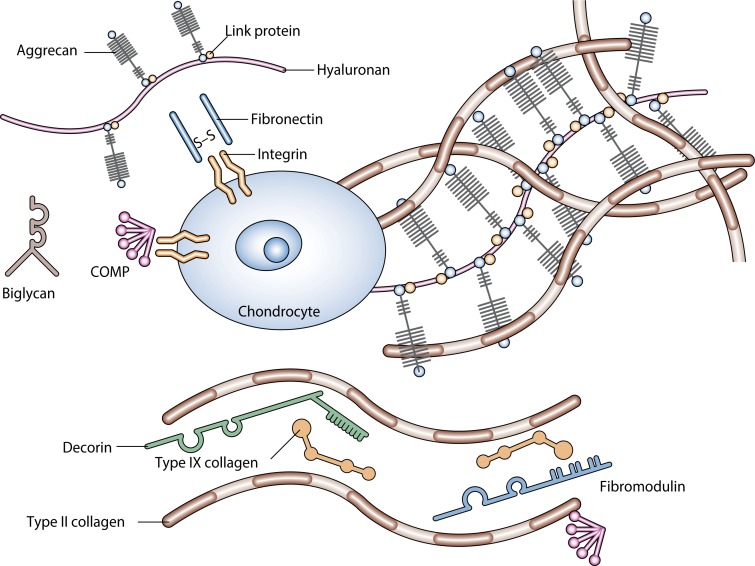
Figure 2
Articular cartilage main components and structure (adapted from Chen et al., 2006).
Figure 3
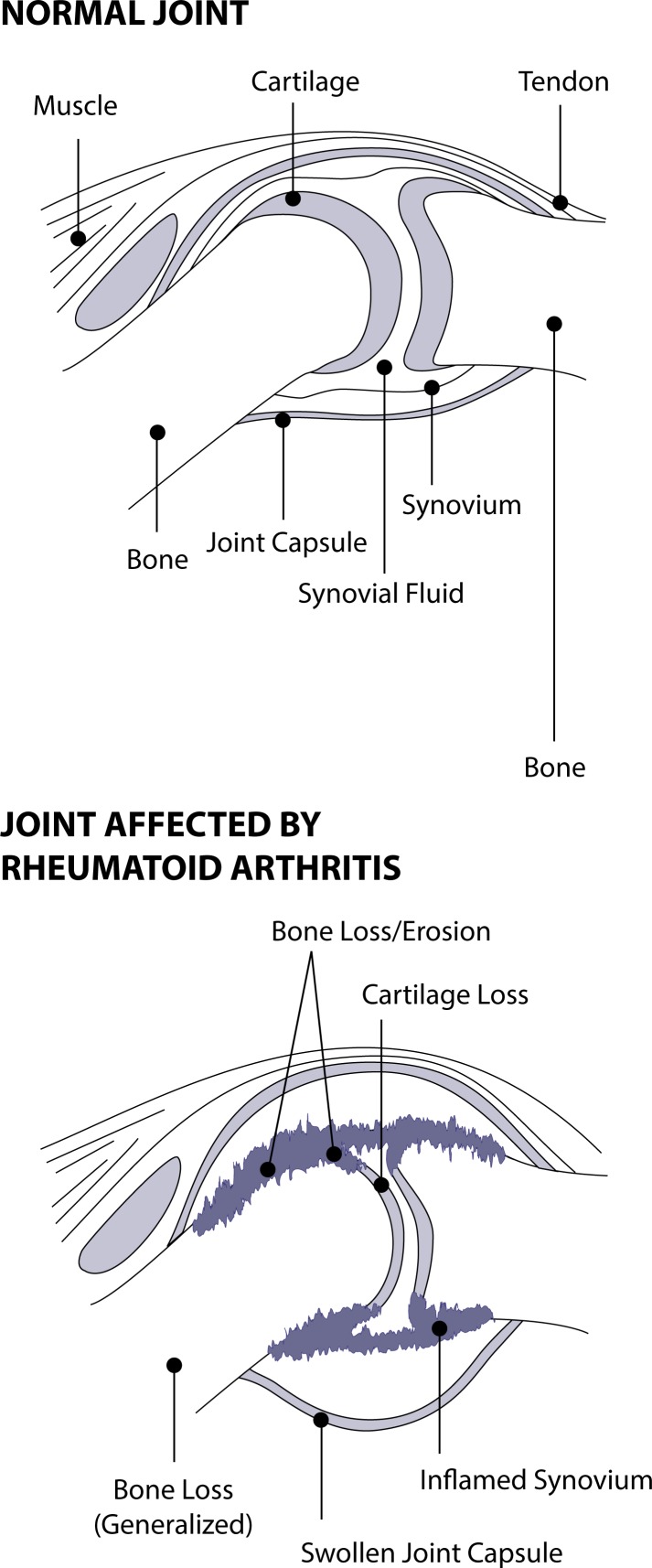
Figure 3
Normal, (healthy) and rheumatoid arthritis synovial joint.
Figure 4
Figure 4
Structural formula of hyaluronan – the acid form.
Figure 5
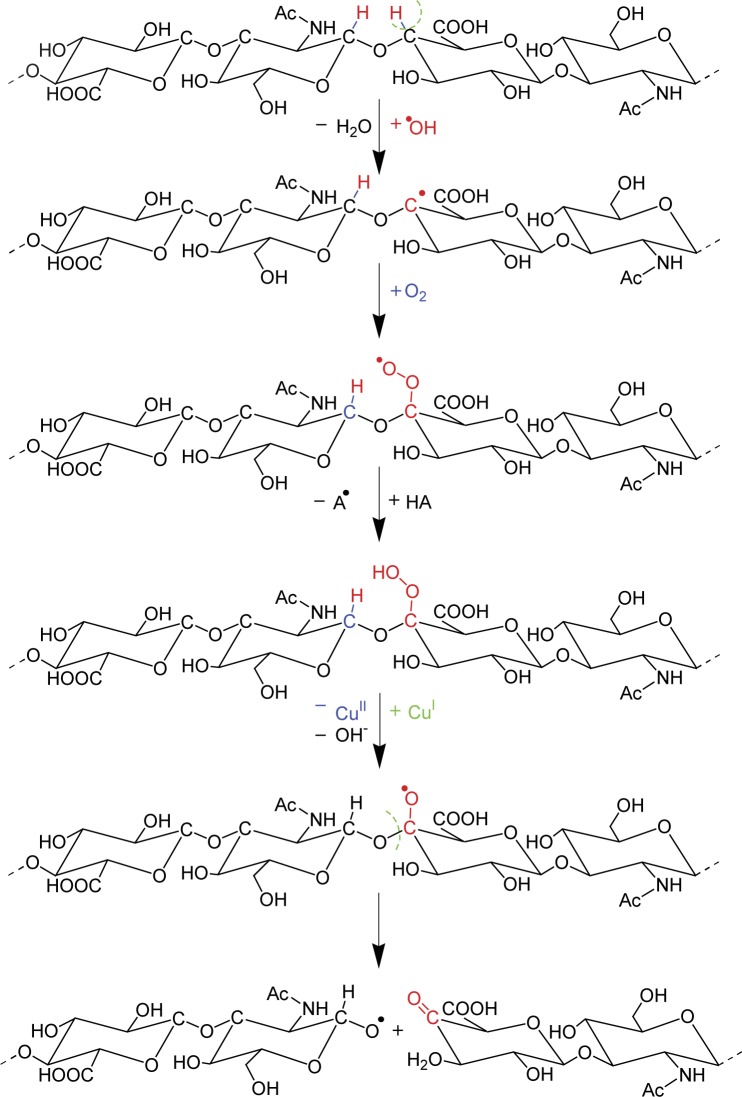
Figure 5
Schematic degradation of HA under free radical stress (Hrabarova et al., 2012).
Figure 6
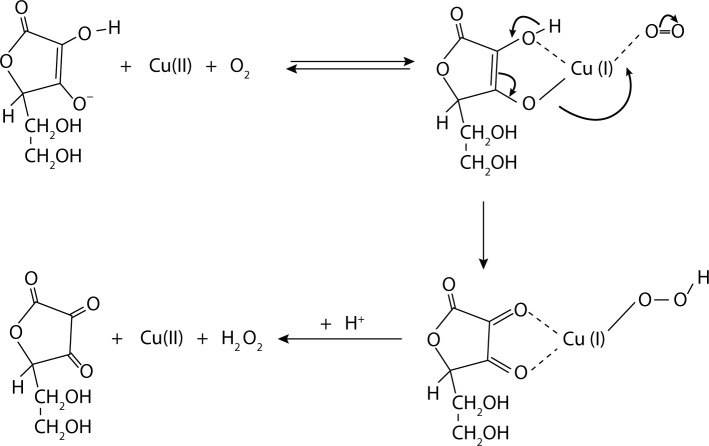
Figure 6
Scheme. Generation of H2O2 by Weissberger's system from ascorbate and Cu(II) ions under aerobic conditions (Valachova et al., 2011)
Figure 7
Figure 7
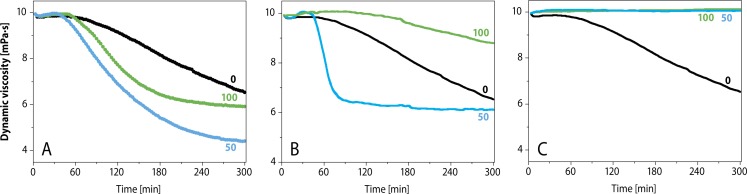
Effect of A) l-penicillamine, B) l-cysteine and C) bucillamine with different concentrations (50, 100 µM) on HA degradation induced by the oxidative system containing 1.0 µM CuCl2 + 100 µM ascorbic acid (Valachova et al., 2011).
Figure 8
Figure 8
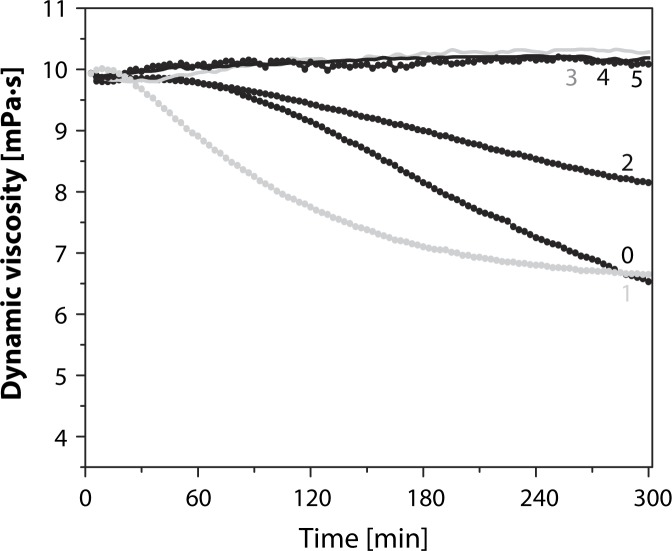
Comparison of the effect of l-glutathione on HA degradation induced by the system containing 1.0 µM CuCl2 plus 100 µM l-ascorbic acid. Concentration of l-glutathione in µM: 1–1.0; 2–10; 3, 4, 5–50, 100, and 200. Concentration of reference experiment: 0–nil thiol concentration (Hrabarova et al., ; Valachova et al., 2010a).
Figure 9
Figure 9
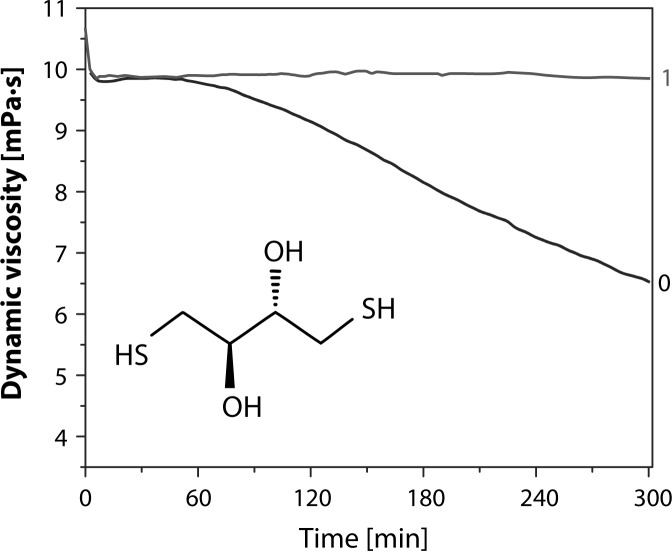
Effect of 1,4-dithioerythritol (1) on HA degradation induced by Weissberger's oxidative system (0) (Hrabarova et al., 2010).
Figure 10
Figure 10
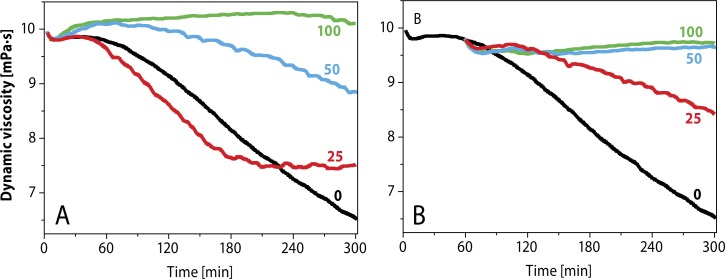
Evaluation of antioxidative effects of N-acetyl-l-cysteine against high-molar-mass hyaluronan degradation in vitro induced by Weissberger′s oxidative system. Reference sample (black): 1 M Cu(II) ions plus 100 µM ascorbic acid; nil thiol concentration. N-Acetyl-l-cysteine addition at the onset of the reaction (A) and after 1 h (B) (25, 50,100 µM). (Hrabarova et al., 2012).
Figure 11
Figure 11
Evaluation of antioxidative effects of cysteamine against high-molar-mass hyaluronan degradation in vitro induced by Weissberger′s oxidative system. Reference sample (black): 1 mM CuII ions plus 100µM ascorbic acid; nil thiol concentration. Cysteamine addition at the onset of the reaction (a) and after 1 h (b) (25, 50,100 µM). (Hrabarova et al., 2012).

References

    1. Abeydeera LR. In vitro production of embryos in swine. Theriogenology. 2002;57:257–273. - PubMed
    1. Adams ME. Viseosupplementation: A treatment for osteoarthritis. J Rheumatol. 1993;20(Suppl. 39):1–24. - PubMed
    1. Altman RD. Intra-articular sodium hyaluronate in osteoarthritis of the knee. Semin Arthritis Rheum. 2000;30:11–18. - PubMed
    1. Aruoma OI, Halliwell B, Hoey BM, Butler J. The antioxidant action of N-acetylcysteine: its reaction with hydrogen peroxide, hydroxyl radical, superoxide, and hypochlorous acid. Free Radic Biol Med. 1989;6:593. - PubMed
    1. Ashhurst DE, Bland YS, Levick JR. An immunohistochemical study of the collagens of rabbit synovial interstitium. J Rheumatol. 1991;18:1669–1672. - PubMed