


Latest advances in chemotherapeutic, targeted, and immune approaches in the treatment of metastatic melanoma
- PMID: 24684873
- PMCID: PMC4034544
- DOI: 10.1016/j.mayocp.2014.02.002
Latest advances in chemotherapeutic, targeted, and immune approaches in the treatment of metastatic melanoma
Abstract
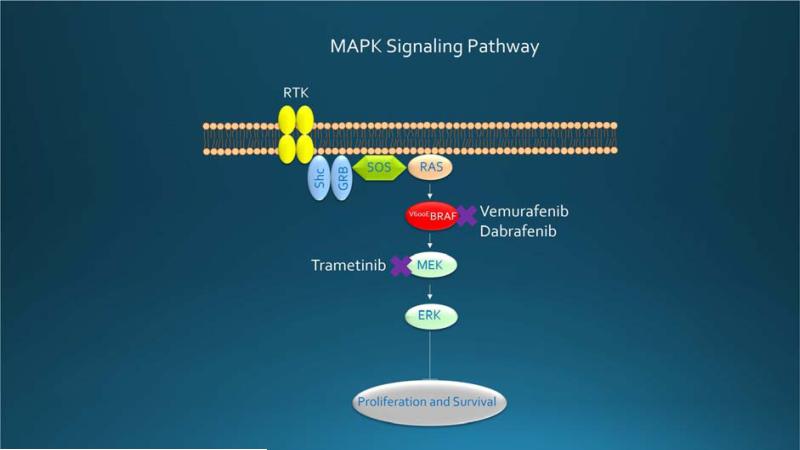
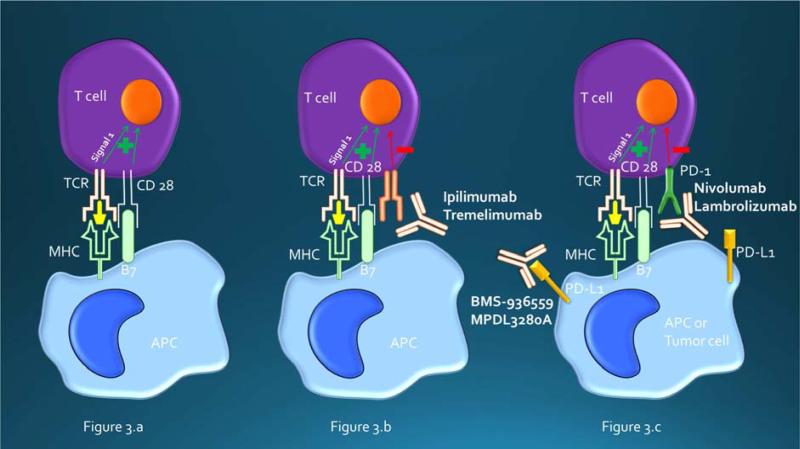
Melanoma is the most dangerous form of skin cancer owing to its metastatic potential and is an important public health concern. The melanoma incidence has been increasing worldwide. Although potentially curable when diagnosed early, metastatic melanoma carries a poor prognosis. Until recently, systemic therapy for metastatic melanoma was ineffective, but the recent successes in the development of new therapies for metastatic melanoma, such as mitogen-activated protein kinase (MAPK) pathway inhibitors, anti-cytotoxic T-lymphocyte-associated antigen-4 (CTLA-4), and programmed cell death protein 1 (PD-1)/programmed cell death ligand 1 (PD-L1) pathway blocking antibodies, as well as combination strategies of cytotoxic chemotherapy and inhibitors of angiogenesis, have all yielded promising results, changing the continually evolving landscape of therapeutic options for patients with this disease. The aim of this review was to summarize the evolution of and recent advances in the treatment of metastatic melanoma. Therefore, we conducted a comprehensive PubMed search between January 1, 1960, and February 1, 2014, using the search term melanoma or metastatic melanoma combined with terms such as chemotherapy, immunotherapy, CTLA-4, PD-1, PD-L1, adoptive T cell, targeted therapy, MAPK, molecular biology, and survival.
Copyright © 2014 Mayo Foundation for Medical Education and Research. Published by Elsevier Inc. All rights reserved.
Figures

Comment in
-
Melanoma resistance: a bright future for academicians and a challenge for patient advocates.Mayo Clin Proc. 2014 Apr;89(4):429-33. doi: 10.1016/j.mayocp.2014.02.009. Mayo Clin Proc. 2014. PMID: 24684870 Free PMC article. No abstract available.
References
-
- Siegel R, Naishadham D, Jemal A. Cancer statistics, 2013. CA Cancer J Clin. 2013;63(1):11–30. - PubMed
-
- Guy GP, Ekwueme DU. Years of potential life lost and indirect costs of melanoma and non-melanoma skin cancer: a systematic review of the literature. Pharmacoeconomics. 2011;29(10):863–74. - PubMed
-
- Jemal A, Siegel R, Ward E, Hao Y, Xu J, Thun MJ. Cancer statistics, 2009. CA Cancer J Clin. 59(4):225–49. - PubMed
-
- Soong SJ, Harrison RA, McCarthy WH, Urist MM, Balch CM. Factors affecting survival following local, regional, or distant recurrence from localized melanoma. J Surg Oncol. 1998;67(4):228–33. - PubMed
-
- American Cancer Society . Cancer Facts & Figures 2013. American Cancer Society; Atlanta: 2013.
Publication types
MeSH terms
Substances
Grants and funding
LinkOut - more resources
Full Text Sources
Other Literature Sources
Medical
Research Materials
