. 2014 Apr 3;9(4):e88807.
doi: 10.1371/journal.pone.0088807. eCollection 2014.

Genomic evolution of porcine reproductive and respiratory syndrome virus (PRRSV) isolates revealed by deep sequencing

Affiliations

Genomic evolution of porcine reproductive and respiratory syndrome virus (PRRSV) isolates revealed by deep sequencing

Manreetpal Singh Brar et al. PLoS One. .

Abstract

Most studies on PRRSV evolution have been limited to a particular region of the viral genome. A thorough genome-wide understanding of the impact of different mechanisms on shaping PRRSV genetic diversity is still lacking. To this end, deep sequencing was used to obtain genomic sequences of a diverse set of 16 isolates from a region of Hong Kong with a complex PRRSV epidemiological record. Genome assemblies and phylogenetic typing indicated the co-circulation of strains of both genotypes (type 1 and type 2) with varying Nsp2 deletion patterns and distinct evolutionary lineages ("High Fever"-like and local endemic type). Recombination analyses revealed genomic breakpoints in structural and non-structural regions of genomes of both genotypes with evidence of many recombination events originating from common ancestors. Additionally, the high fold of coverage per nucleotide allowed the characterization of minor variants arising from the quasispecies of each strain. Overall, 0.56-2.83% of sites were found to be polymorphic with respect to cognate consensus genomes. The distribution of minor variants across each genome was not uniform indicating the influence of selective forces. Proportion of variants capable of causing an amino acid change in their respective codons ranged between 25-67% with many predicted to be non-deleterious. Low frequency deletion variants were also detected providing one possible mechanism for their sudden emergence as cited in previous reports.


Conflict of interest statement

Competing Interests: One of the co-authors, Prof. Frederick C.C. Leung, is a PLOS ONE Academic Editor. This does not alter the authors' adherence to all the PLOS ONE policies on sharing data and materials.

Figures

Figure 1
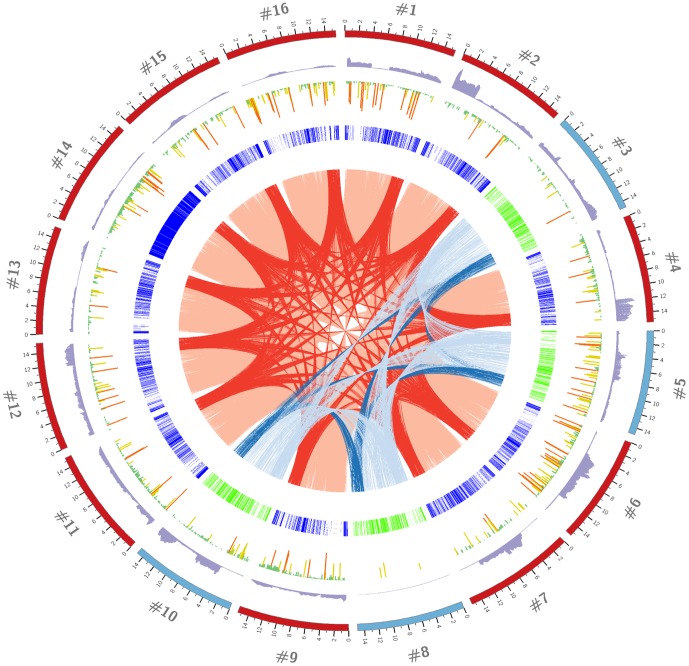
Figure 1. Deep sequencing of HK PRRSV strains.
Shown from the periphery to the centre of the figure for each strain is strain ID, genome ideogram (blue for type 1; red for type 2), sequencing depth across the genome, minor variants detected across the genome with at least 1% frequency (<10% in green, > = 10% in yellow, > = 30% in red), amino acid comparisons (green for type 1; blue for type 2) with reference strains (LV for type 1; ATCC VR2332 for type 2) for individual ORFs across the genome (non-conformity represented by white streaks), and pairwise aligned amino acid differences between sequenced strains for individual ORFs (non-structural ones in light shade; structural ones in dark shade) across the genome (blue for type 1; red for type 2).
Figure 2
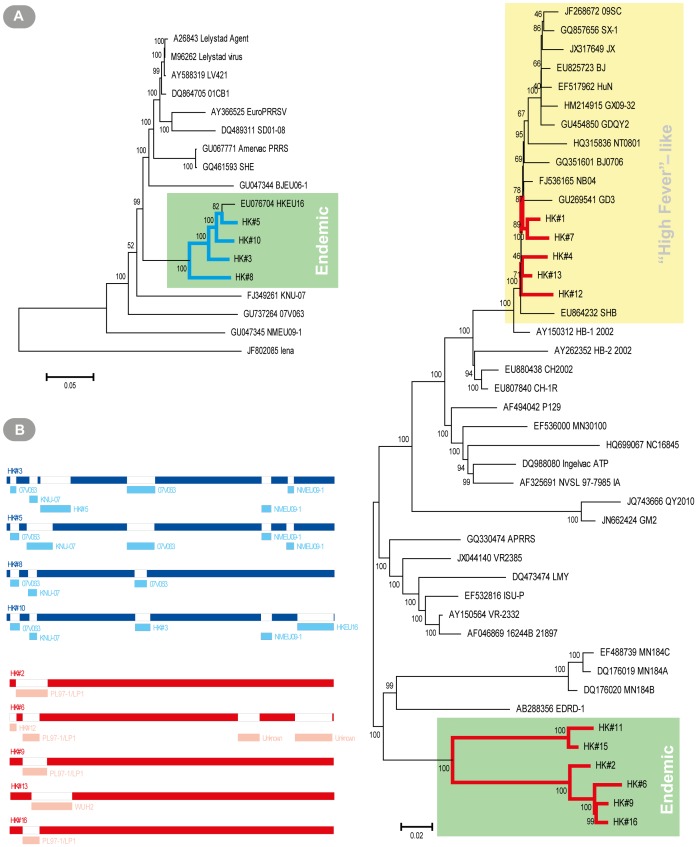
Figure 2. Phylogenomic and recombination characterization of HK PRRSV strains.
(A) Genotype-specific (type 1 left; type 2 right) phylogenies of HK and globally sequenced PRRSV genomes. Type 1 strains form a monophyletic clade separate from isolates of any other country or region. Type 2 strains classified with either previously known local as known as “endemic” diversity or the “High-Fever”-like variants isolated during virulent outbreaks of PRRS in China. (B) Mapped recombination breakpoints and potential minor parental-like strains of mosaic HK PRRSV strains. Unknown designation (for a missing parental-like strain) was assigned when a recombination event was characterized from an alignment involving only one parental-like strain and the recombinant.
Figure 3
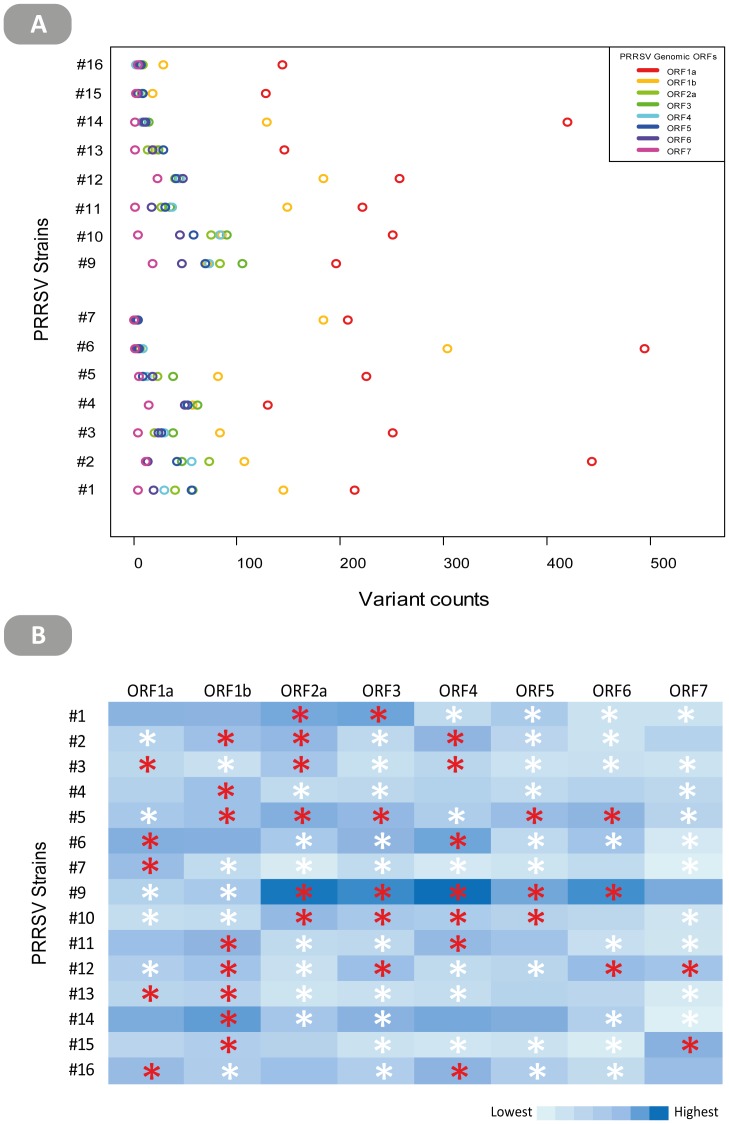
Figure 3. Genetic complexity arising from nucleotide variants across ORFs of different PRRSV strains.
The quantitative measure of mean normalized Shannon (Sn) entropy accommodated for differences in sequencing depth and variable ORF sizes. Open () and closed (•) circles represented ORF and genomic mean Sn entropies respectively.
Figure 4
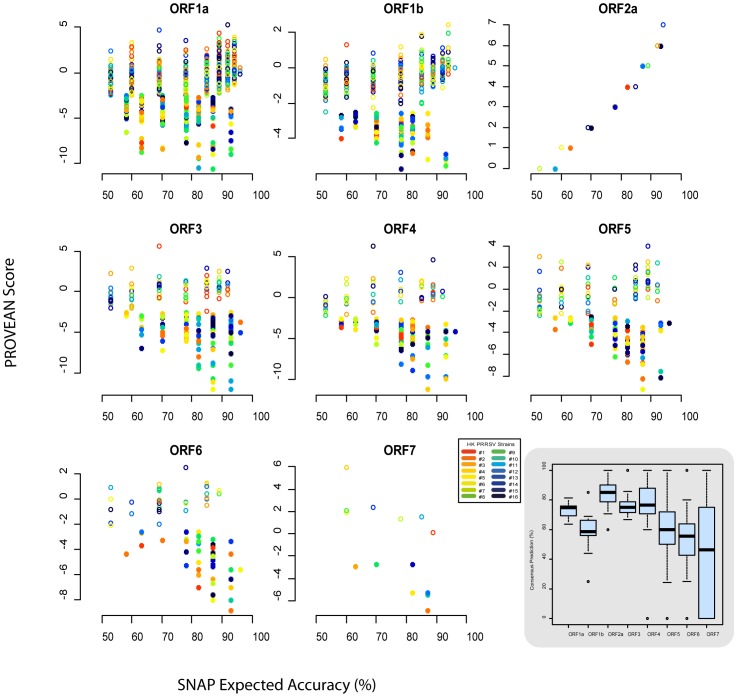
Figure 4. Predicted effect of minor nonsynonymous variants on the protein structure of different PRRSV ORFs.
Predicted effects were classified as being either neutral () or non-neutral (•) only when such effects were independently confirmed by PROVEAN and SNAP tools. Variants which had differing predicted effects by the two software tools were excluded. For PROVEAN, “neutral” designation was assigned when a score higher than −2.5 was obtained and “non-neutral” when lower. Confidence of predictions made by SNAP is indicated by the expected accuracy score generated by the tool. Results are summarized based on individual ORFs (first eight panels) and viral strains (color legend, panel 8). The distribution of consensus predictions (out of total predictions) by the two programs across ORFs of different strains is summarized in the last panel as boxplots (bottom right).

References

    1. Nodelijk G (2002) Porcine reproductive and respiratory syndrome (PRRS) with special reference to clinical aspects and diagnosis: a review. Veterinary quarterly 24: 96–100. - PubMed
    1. Hill H (1990) Overview and history of mystery swine disease (swine infertility/respiratory syndrome). PrOf Mystery Swine Dis Committee 29–31.
    1. Paton D (1995) Porcine reproductive and respiratory syndrome (blue-eared pig disease). Reviews in Medical Microbiology 6: 119.
    1. Edwards S, Robertson I, Wilesmith J, Ryan J, Kilner C, et al. (1992) PRRS (“blue-eared pig disease”) in Great Britain. AASP Newsletter 4: 32–36.
    1. Plana J, Vayreda M, Vilarrasa J, Bastons M, Rosell R, et al. (1992) Porcine epidemic abortion and respiratory syndrome (mystery swine disease). Isolation in Spain of the causative agent and experimental reproduction of the disease. Veterinary microbiology 33: 203–211. - PubMed

Publication types

MeSH terms