


Adolescent depression: stress and reward dysfunction
- PMID: 24704785
- PMCID: PMC4016104
- DOI: 10.1097/HRP.0000000000000034
Adolescent depression: stress and reward dysfunction
Abstract
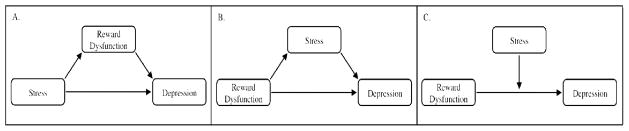
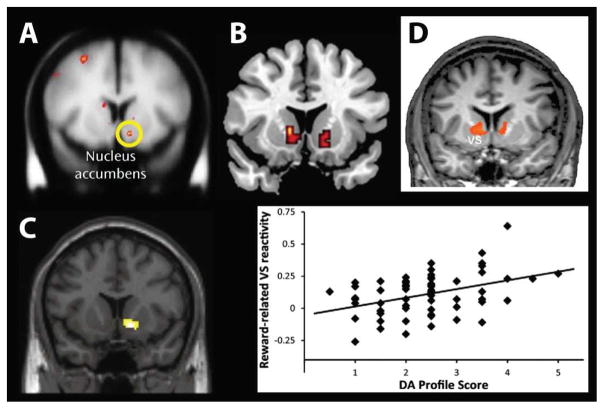
After participating in this educational activity, the physician should be better able to 1. Evaluate the relationship between reward processes, stress, and depression. 2. Assess the characteristics of the three etiological models of stress and reward processes. 3. Identify the biological basis for stress and reward processes. Adolescence is a peak period for the onset of depression, and it is also a time marked by substantial stress as well as neural development within the brain reward circuitry. In this review, we provide a selective overview of current animal and human research investigating the relationship among reward processes, stress, and depression. Three separate, but related, etiological models examine the differential roles that stress may play in relation to reward dysfunction and adolescent depression. First, the reward mediation model suggests that both acute and chronic stress contribute to reward deficits, which, in turn, potentiate depressive symptoms or increase the risk for depression. Second, in line with the stress generation perspective, it is plausible that premorbid reward-related dysfunction generates stress--in particular, interpersonal stress--which then leads to the manifestation of depressive symptoms. Third, consistent with a diathesis-stress model, the interaction between stress and premorbid reward dysfunction may contribute to the onset of depression. Given the equifinal nature of depression, these models could shed important light on different etiological pathways during adolescence, particularly as they may relate to understanding the heterogeneity of depression. To highlight the translational potential of these insights, a hypothetical case study is provided as a means of demonstrating the importance of targeting reward dysfunction in both assessment and treatment of adolescent depression.
Figures
References
-
- Greden JF. The burden of recurrent depression: causes, consequences, and future prospects. J Clin Psychiatry. 2001;62 (Suppl 22):5–9. - PubMed
-
- Sartorius N. The economic and social burden of depression. J Clin Psychiatry. 2001;62 (Suppl 15):8–11. - PubMed
-
- Costello EJ, Mustillo S, Erkanli A, Keeler G, Angold A. Prevalence and development of psychiatric disorders in childhood and adolescence. Arch Gen Psychiatry. 2003;60:837–44. - PubMed
-
- Birmaher B, Arbelaez C, Brent D. Course and outcome of child and adolescent major depressive disorder. Child Adolesc Psychiatr Clin N Am. 2002;11:619–37. - PubMed
-
- Grant KE, Compas BE, Thurm AE, McMahon SD, Gipson PY. Stressors and child and adolescent psychopathology: measurement issues and prospective effects. JJ Clin Child Adolesc Psychol. 2004;33:412–25. - PubMed
Publication types
MeSH terms
Grants and funding
LinkOut - more resources
Full Text Sources
Other Literature Sources
Medical