Should we prescribe calcium supplements for osteoporosis prevention?
- PMID: 24707464
- PMCID: PMC3970298
- DOI: 10.11005/jbm.2014.21.1.21
Should we prescribe calcium supplements for osteoporosis prevention?
Abstract
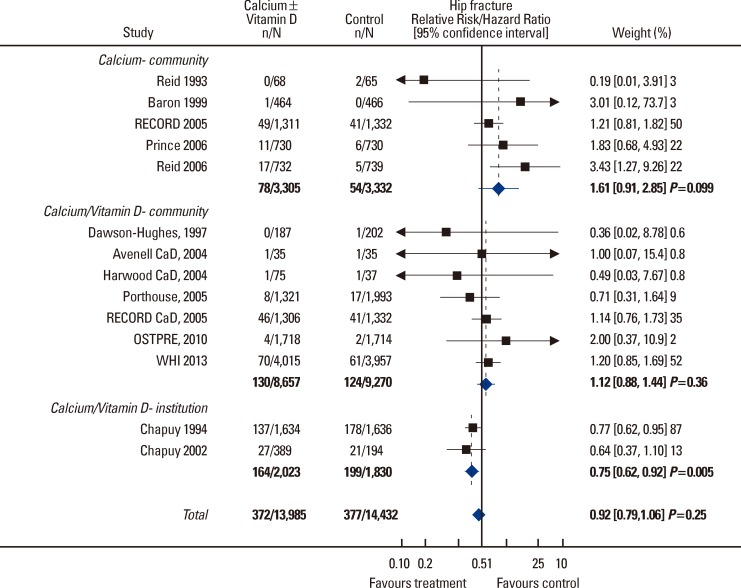
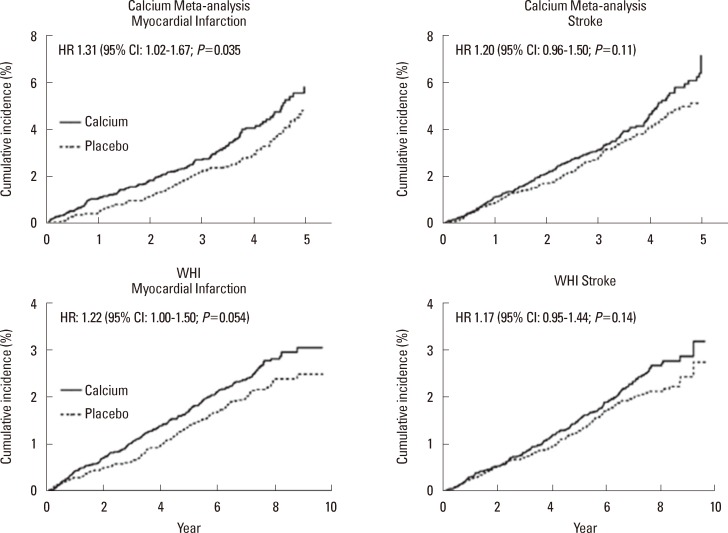
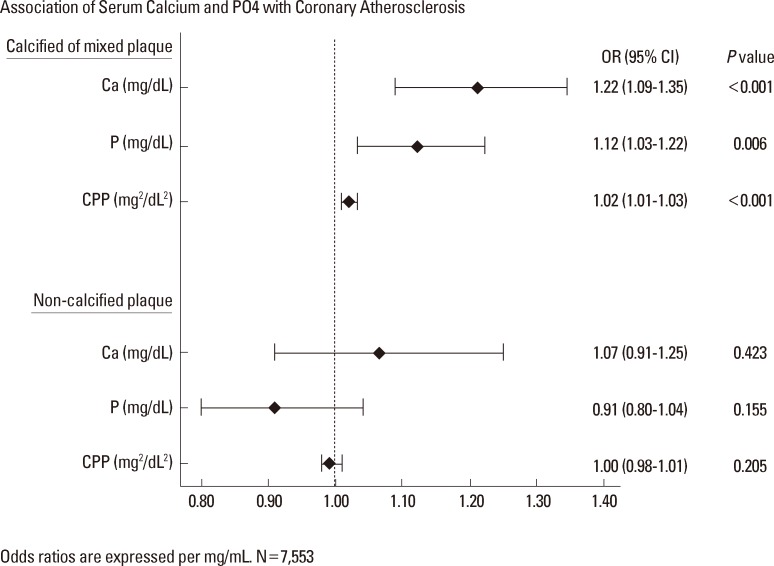
Advocacy for the use of calcium supplements arose at a time when there were no other effective interventions for the prevention of osteoporosis. Their promotion was based on the belief that increasing calcium intake would increase bone formation. Our current understandings of the biology of bone suggest that this does not occur, though calcium does act as a weak antiresorptive. Thus, it slows postmenopausal bone loss but, despite this, recent meta-analyses suggest no significant prevention of fractures. In sum, there is little substantive evidence of benefit to bone health from the use of calcium supplements. Against this needs to be balanced the likelihood that calcium supplement use increases cardiovascular events, kidney stones, gastrointestinal symptoms, and admissions to hospital with acute gastrointestinal problems. Thus, the balance of risk and benefit seems to be consistently negative. As a result, current recommendations are to obtain calcium from the diet in preference to supplements. Dietary calcium intake has not been associated with the adverse effects associated with supplements, probably because calcium is provided in smaller boluses, which are absorbed more slowly since they come together with quantities of protein and fat, resulting in a slower gastric transit time. These findings suggest that calcium supplements have little role to play in the modern therapeutics of osteoporosis, which is based around the targeting of safe and effective anti-resorptive drugs to individuals demonstrated to be at increased risk of future fractures.
Keywords: Calcium; Fractures bone; Myocardial infarction; Osteoporosis.
Figures
Comment in
-
Routine calcium and vitamin D supplementation: the end of the story?Climacteric. 2014 Aug;17(4):515-6. Climacteric. 2014. PMID: 25147893 No abstract available.
References
-
- Anderson JJ, Roggenkamp KJ, Suchindran CM. Calcium intakes and femoral and lumbar bone density of elderly U.S. men and women: National Health and Nutrition Examination Survey 2005-2006 analysis. J Clin Endocrinol Metab. 2012;97:4531–4539. - PubMed
-
- Bischoff-Ferrari HA, Dawson-Hughes B, Baron JA, et al. Calcium intake and hip fracture risk in men and women: a meta-analysis of prospective cohort studies and randomized controlled trials. Am J Clin Nutr. 2007;86:1780–1790. - PubMed
-
- Reid IR, Mason B, Horne A, et al. Randomized controlled trial of calcium in healthy older women. Am J Med. 2006;119:777–785. - PubMed
-
- Salovaara K, Tuppurainen M, Kärkkäinen M, et al. Effect of vitamin D(3) and calcium on fracture risk in 65- to 71-year-old women: a population-based 3-year randomized, controlled trial--the OSTPRE-FPS. J Bone Miner Res. 2010;25:1487–1495. - PubMed
Publication types
LinkOut - more resources
Full Text Sources
Other Literature Sources
Research Materials