


Molecular and epidemiological characterization of IMP-type metallo-β-lactamase-producing Enterobacter cloacae in a Large tertiary care hospital in Japan
- PMID: 24709261
- PMCID: PMC4068452
- DOI: 10.1128/AAC.02652-13
Molecular and epidemiological characterization of IMP-type metallo-β-lactamase-producing Enterobacter cloacae in a Large tertiary care hospital in Japan
Abstract
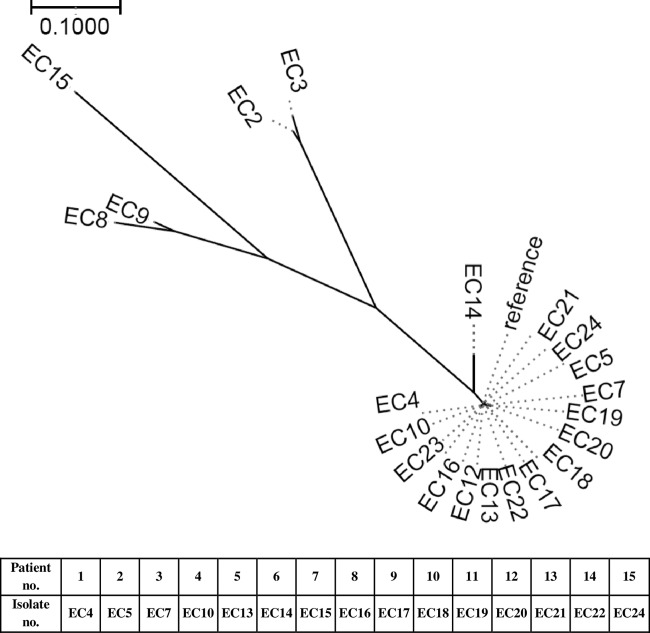
IMP-type metallo-β-lactamase enzymes have been reported in different geographical areas and in various Gram-negative bacteria. However, the risk factors and epidemiology pertaining to IMP-type metallo-β-lactamase-producing Enterobacter cloacae (IMP-producing E. cloacae) have not been systematically evaluated. We conducted a retrospective, matched case-control study of patients from whom IMP-producing E. cloacae isolates were obtained, in addition to performing thorough molecular analyses of the clinically obtained IMP-producing E. cloacae isolates. Unique cases with IMP-producing E. cloacae isolation were included. Patients with IMP-producing E. cloacae were matched to uninfected controls at a ratio of 1 to 3. Fifteen IMP-producing E. cloacae cases were identified, with five of the isolates being obtained from blood, and they were matched to 45 uninfected controls. All (100%) patients from whom IMP-producing E. cloacae isolates were obtained had indwelling devices at the time of isolation, compared with one (2.2%) uninfected control. Independent predictors for isolation of IMP-producing E. cloacae were identified as cephalosporin exposure and invasive procedures within 3 months. Although in-hospital mortality rates were similar between cases and controls (14.3% versus 13.3%), the in-hospital mortality of patients with IMP-producing E. cloacae-caused bacteremia was significantly higher (40%) than the rate in controls. IMP-producing E. cloacae isolates were frequently positive for other resistance determinants. The MICs of meropenem and imipenem were not elevated; 10 (67%) and 12 (80%) of the 15 IMP-producing E. cloacae isolates had a MIC of ≤ 1 μg/ml. A phylogenetic tree showed a close relationship among the IMP-producing E. cloacae samples. Indwelling devices, exposure to cephalosporin, and a history of invasive procedures were associated with isolation of IMP-producing E. cloacae. Screening for carbapenemase production is important in order to apply appropriate clinical management and infection control measures.
Copyright © 2014, American Society for Microbiology. All Rights Reserved.
Figures
References
-
- Osano E, Arakawa Y, Wacharotayankun R, Ohta M, Horii T, Ito H, Yoshimura F, Kato N. 1994. Molecular characterization of an enterobacterial metallo beta-lactamase found in a clinical isolate of Serratia marcescens that shows imipenem resistance. Antimicrob. Agents Chemother. 38:71–78. 10.1128/AAC.38.1.71 - DOI - PMC - PubMed
Publication types
MeSH terms
Substances
LinkOut - more resources
Full Text Sources
Other Literature Sources
