


Management of cutaneous disorders related to inflammatory bowel disease
- PMID: 24713996
- PMCID: PMC3959344
Management of cutaneous disorders related to inflammatory bowel disease
Abstract
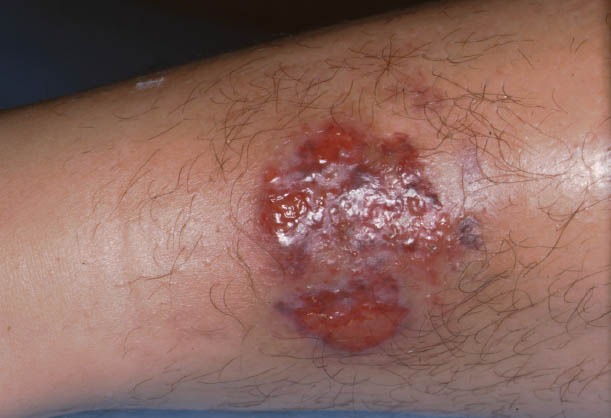
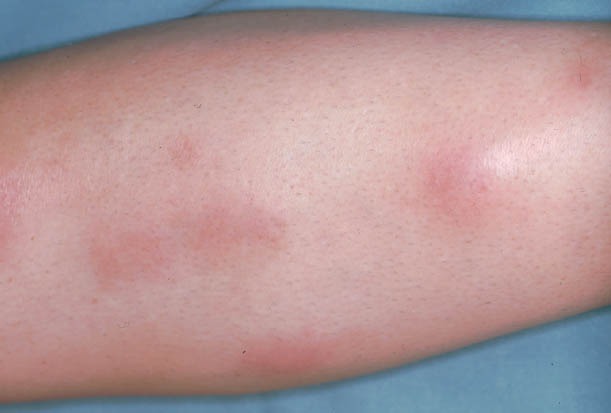
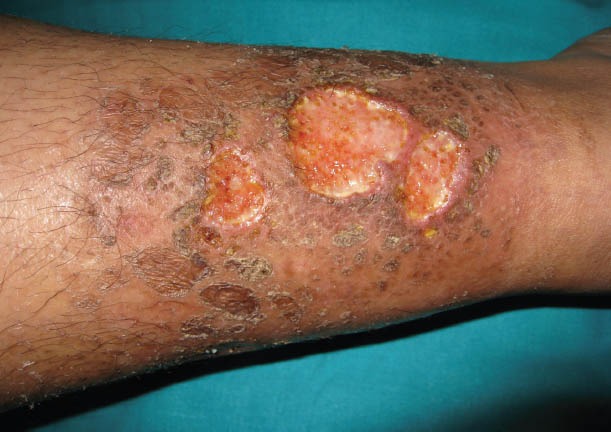
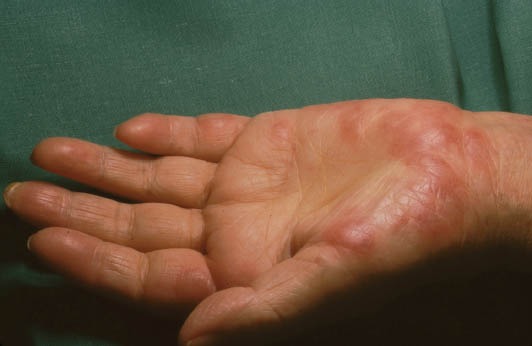
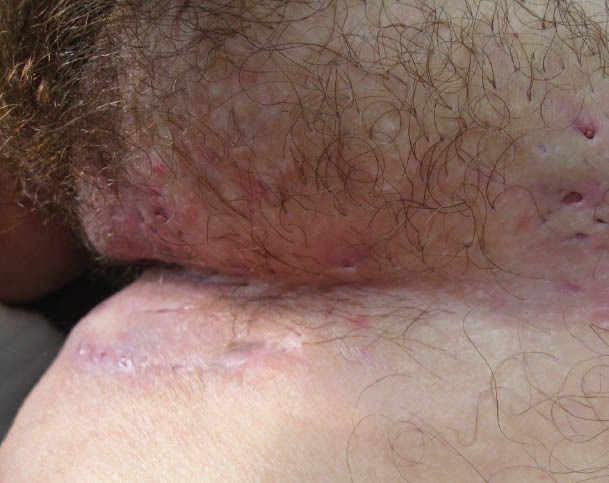
Almost one-third of patients with inflammatory bowel disease (IBD) develop skin lesions. Cutaneous disorders associated with IBD may be divided into 5 groups based on the nature of the association: specific manifestations (orofacial and metastatic IBD), reactive disorders (erythema nodosum, pyoderma gangrenosum, pyodermatitis-pyostomatitis vegetans, Sweet's syndrome and cutaneous polyarteritis nodosa), miscellaneous (epidermolysis bullosa acquisita, bullous pemphigoid, linear IgA bullous disease, squamous cell carcinoma-Bowen's disease, hidradenitis suppurativa, secondary amyloidosis and psoriasis), manifestations secondary to malnutrition and malabsorption (zinc, vitamins and iron deficiency), and manifestations secondary to drug therapy (salicylates, immunosupressors, biological agents, antibiotics and steroids). Treatment should be individualized and directed to treating the underlying IBD as well as the specific dermatologic condition. The aim of this review includes the description of clinical manifestations, course, work-up and, most importantly, management of these disorders, providing an assessment of the literature on the topic.
Keywords: Inflammatory bowel disease; skin disorders; treatment.
Conflict of interest statement
Conflict of Interest: None
Figures
References
-
- Kethu SR. Extraintestinal manifestations of inflammatory bowel diseases. J Clin Gastroenterol. 2006;40:467–475. - PubMed
-
- Yüksel I, Basar O, Ataseven H, et al. Mucocutaneous manifestations in inflammatory bowel disease. Inflamm Bowel Dis. 2009;15:546–550. - PubMed
-
- Georgiou S, Pasmatzi E, Monastirli A, Tsambaos D. Cutaneous manifestations of inflammatory bowel disease. Hosp Chron. 2006;1:158–168.
-
- Gregory B, Ho VC. Cutaneous manifestations of gastrointestinal disorders. Part II. J Am Acad Dermatol. 1992;26:371–383. - PubMed
-
- Pittock S, Drumm B, Fleming P, et al. The oral cavity in Crohn's disease. J Pediatr. 2001;138:767–771. - PubMed
Publication types
LinkOut - more resources
Full Text Sources
Other Literature Sources
Miscellaneous