


Impact of rifaximin on the frequency and characteristics of spontaneous bacterial peritonitis in patients with liver cirrhosis and ascites
- PMID: 24714550
- PMCID: PMC3979735
- DOI: 10.1371/journal.pone.0093909
Impact of rifaximin on the frequency and characteristics of spontaneous bacterial peritonitis in patients with liver cirrhosis and ascites
Abstract
Background: Rifaximin is a non-absorbable antibiotic used to prevent relapses of hepatic encephalopathy which may also be a candidate for prophylaxis of spontaneous bacterial peritonitis (SBP).
Aim: To detect the impact of rifaximin on the occurrence and characteristics of SBP.
Methods: We prospectively studied all hospitalized patients that underwent a diagnostic paracentesis in our department from March 2012 to April 2013 for SBP and recorded all clinical data including type of SBP prophylaxis, prior use of rifaximin, concomitant complications of cirrhosis, as well as laboratory results and bacteriological findings. Patients were divided into the following three groups: no antibiotic prophylaxis, prophylaxis with rifaximin or with systemically absorbed antibiotic prophylaxis.
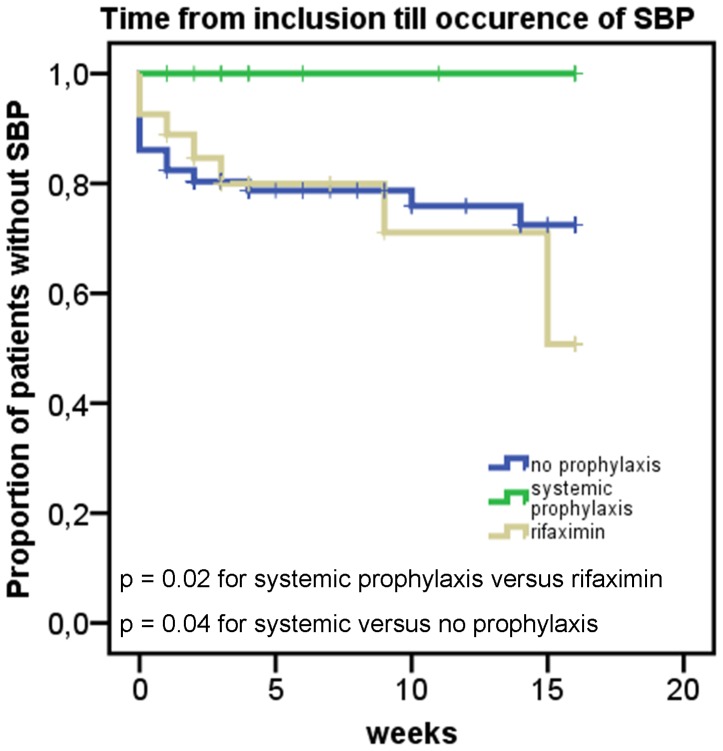
Results: Our study cohort comprised 152 patients with advanced liver cirrhosis, 32 of whom developed SBP during the study period. As expected, our study groups differed regarding a history of hepatic encephalopathy and SBP before inclusion into the study. None of the 17 patients on systemic antibiotic prophylaxis developed SBP while 8/27 patients on rifaximin and 24/108 without prophylaxis had SBP (p = 0.02 and p = 0.04 versus systemic antibiotics, respectively). In general, episodes of SBP were similar for patients treated with rifaximin and those without any prophylaxis. However, Escherichia coli and enterococci were dominant in the ascites of patients without any prophylaxis, while mostly klebsiella species were recovered from the ascites samples in the rifaximin group.
Conclusion: Rifaximin pretreatment did not lead to a reduction of SBP occurrence in hospitalized patients with advanced liver disease. However, the bacterial species causing SBP were changed by rifaximin.
Conflict of interest statement
Figures
References
-
- Wiest R, Krag A, Gerbes A (2012) Spontaneous bacterial peritonitis: recent guidelines and beyond. Gut 61: 297–310. - PubMed
-
- Thuluvath PJ, Morss S, Thompson R (2001) Spontaneous bacterial peritonitis—in-hospital mortality, predictors of survival, and health care costs from 1988 to 1998. Am J Gastroenterol 96: 1232–6. - PubMed
-
- Garcia-Tsao G (2001) Current management of the complications of cirrhosis and portal hypertension: variceal hemorrhage, ascites, and spontaneous bacterial peritonitis. Gastroenterology 120: 726–48. - PubMed
-
- Ginès P, Rimola A, Planas R, Vargas V, Marco F, et al. (1990) Norfloxacin prevents spontaneous bacterial peritonitis recurrence in cirrhosis: results of a double-blind, placebo-controlled trial. Hepatology 12: 716–24. - PubMed
-
- Coltart I, Tranah TH, Shawcross DL (2013) Inflammation and hepatic encephalopathy. Arch Biochem Biophys 536: 189–96. - PubMed
Publication types
MeSH terms
Substances
LinkOut - more resources
Full Text Sources
Other Literature Sources
Medical
Research Materials
Miscellaneous
