


Does incorporation of thromboelastography improve bleeding prediction following adult cardiac surgery?
- PMID: 24717423
- PMCID: PMC4162333
- DOI: 10.1097/MBC.0000000000000095
Does incorporation of thromboelastography improve bleeding prediction following adult cardiac surgery?
Abstract
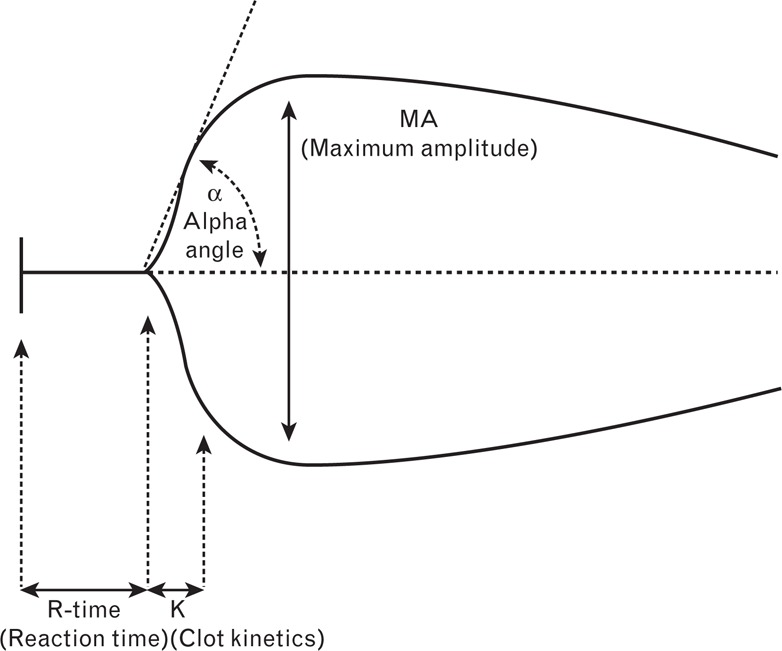
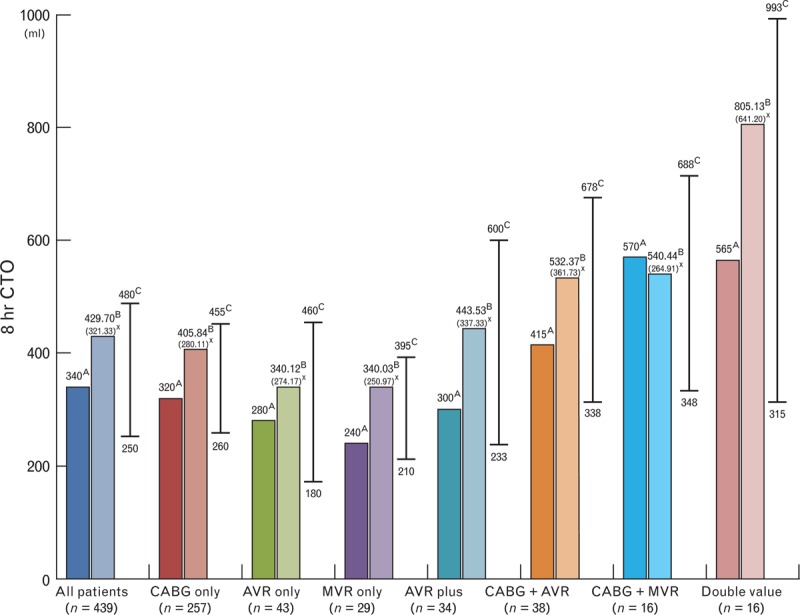
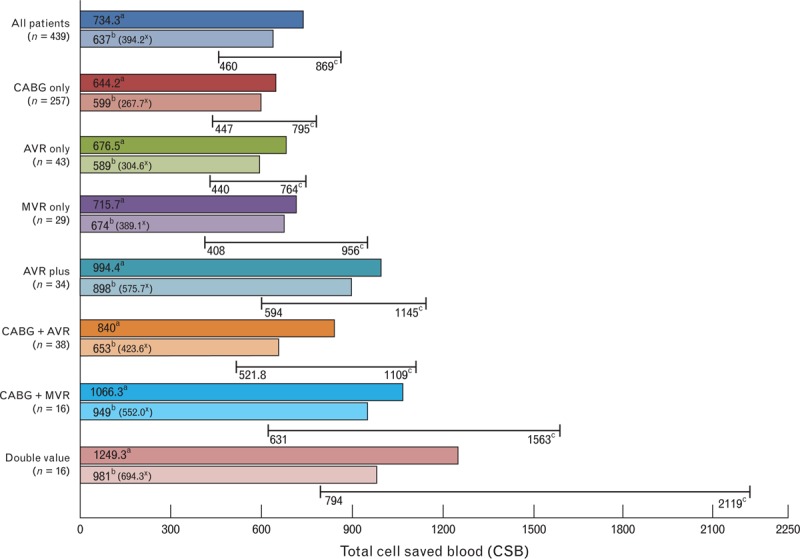
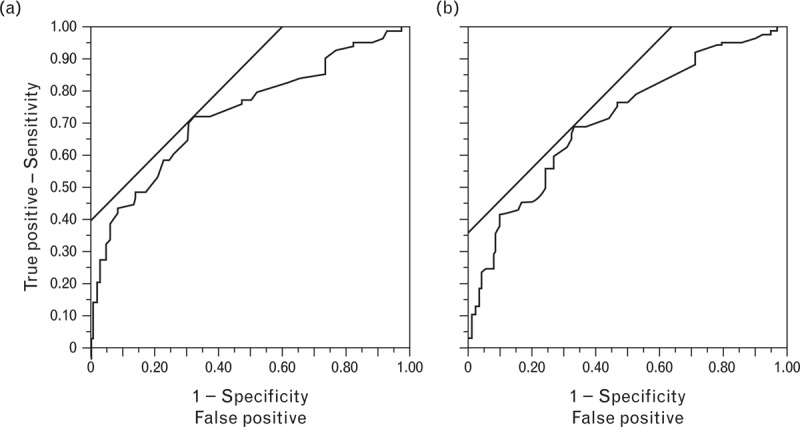
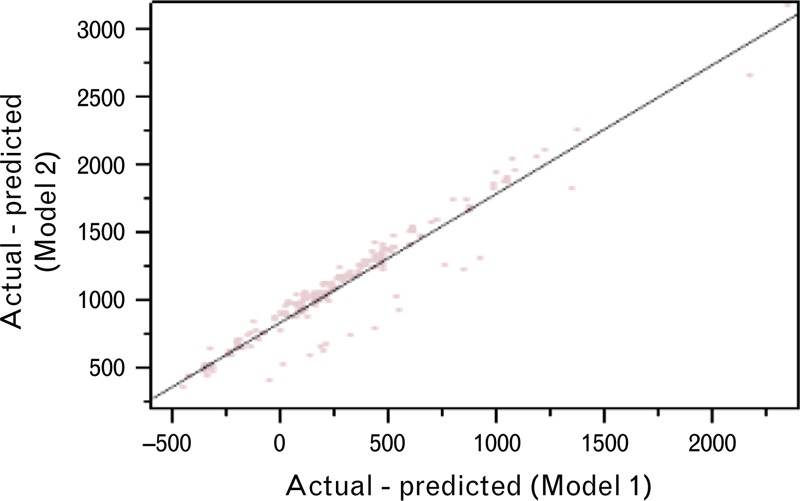
Cardiopulmonary bypass (CPB) coagulopathy increases utilization of allogenic blood/blood products, which can negatively affect patient outcomes. Thromboelastography (TEG) is a point-of-care measurement of clot formation and fibrinolysis. We investigated whether the addition of TEG parameters to a clinically based bleeding model would improve the predictability of postoperative bleeding. A total of 439 patients' charts were retrospectively investigated for 8-h chest tube output (CTO) postoperatively. For model 1, the variables recorded were patient age, gender, body surface area, clopidogrel use, CPB time, first post-CPB fibrinogen serum level, first post-CPB platelet count, first post-CPB international normalized ratio, the total amount of intraoperative cell saver blood transfused, and postoperative first ICU hematocrit level. Model 2 had the model 1 variables, TEG angle, and maximum amplitude. The outcome was defined as 0-8-h CTO. The predictor variables were placed into a forward stepwise regression model for continuous outcomes. Analysis of variance with adjusted R was used to assess the goodness-of-fit of both predictive models. The predictive accuracy of the model was examined using CTO as a dichotomous variable (75th percentile, 480 ml) and receiver operating characteristic curves for both models. Advanced age, male gender, preoperative clopidogrel use for 5 days or less, greater cell saver blood utilization, and lower postoperative hematocrit levels were associated with increased 8-h CTO (P < 0.05). Adding TEG angle and maximum amplitude to model 1 did not improve CTO predictability. When TEG angle and maximum amplitude were added as predictor factors, the predictability of the bleeding model did not improve.
Figures
Comment in
-
Thrombelastography will not predict bleeding if normal.Blood Coagul Fibrinolysis. 2015 Mar;26(2):234. doi: 10.1097/MBC.0000000000000195. Blood Coagul Fibrinolysis. 2015. PMID: 25629422 No abstract available.
References
-
- Goodnough LT, Soegiarso RW, Birkmeyer JD, Welch HG. Economic impact of inappropriate blood transfusions in coronary artery bypass graft surgery. Am J Med 1993; 94:509–514 - PubMed
-
- Hendrickson JE, Hillyer CD. Noninfectious serious hazards of transfusion. Anesth Analg 2009; 108:759–769 - PubMed
-
- Johansson PI, Sølbeck S, Genet G, Stensballe J, Ostrowski SR. Coagulopathy and hemostatic monitoring in cardiac surgery: an update. Scand Cardiovasc J 2012; 46:194–202 - PubMed
-
- Ferraris VA, Ferraris SP, Saha SP, Hessel EA, 2nd, Haan CK, Royston BD, et al. Perioperative blood transfusion and blood conservation in cardiac surgery: the Society of Thoracic Surgeons and the Society of Cardiovascular Anesthesiologists Clinical Practice Guideline. Ann Thorac Surg 2007; 83:S27–S86 - PubMed
MeSH terms
Substances
LinkOut - more resources
Full Text Sources
Other Literature Sources
