. 2014 Apr 10;10(4):e1004045.
doi: 10.1371/journal.ppat.1004045. eCollection 2014 Apr.

Coxsackievirus B exits the host cell in shed microvesicles displaying autophagosomal markers

Affiliations

Coxsackievirus B exits the host cell in shed microvesicles displaying autophagosomal markers

Scott M Robinson et al. PLoS Pathog. .

Abstract

Coxsackievirus B3 (CVB3), a member of the picornavirus family and enterovirus genus, causes viral myocarditis, aseptic meningitis, and pancreatitis in humans. We genetically engineered a unique molecular marker, "fluorescent timer" protein, within our infectious CVB3 clone and isolated a high-titer recombinant viral stock (Timer-CVB3) following transfection in HeLa cells. "Fluorescent timer" protein undergoes slow conversion of fluorescence from green to red over time, and Timer-CVB3 can be utilized to track virus infection and dissemination in real time. Upon infection with Timer-CVB3, HeLa cells, neural progenitor and stem cells (NPSCs), and C2C12 myoblast cells slowly changed fluorescence from green to red over 72 hours as determined by fluorescence microscopy or flow cytometric analysis. The conversion of "fluorescent timer" protein in HeLa cells infected with Timer-CVB3 could be interrupted by fixation, suggesting that the fluorophore was stabilized by formaldehyde cross-linking reactions. Induction of a type I interferon response or ribavirin treatment reduced the progression of cell-to-cell virus spread in HeLa cells or NPSCs infected with Timer-CVB3. Time lapse photography of partially differentiated NPSCs infected with Timer-CVB3 revealed substantial intracellular membrane remodeling and the assembly of discrete virus replication organelles which changed fluorescence color in an asynchronous fashion within the cell. "Fluorescent timer" protein colocalized closely with viral 3A protein within virus replication organelles. Intriguingly, infection of partially differentiated NPSCs or C2C12 myoblast cells induced the release of abundant extracellular microvesicles (EMVs) containing matured "fluorescent timer" protein and infectious virus representing a novel route of virus dissemination. CVB3 virions were readily observed within purified EMVs by transmission electron microscopy, and infectious virus was identified within low-density isopycnic iodixanol gradient fractions consistent with membrane association. The preferential detection of the lipidated form of LC3 protein (LC3 II) in released EMVs harboring infectious virus suggests that the autophagy pathway plays a crucial role in microvesicle shedding and virus release, similar to a process previously described as autophagosome-mediated exit without lysis (AWOL) observed during poliovirus replication. Through the use of this novel recombinant virus which provides more dynamic information from static fluorescent images, we hope to gain a better understanding of CVB3 tropism, intracellular membrane reorganization, and virus-associated microvesicle dissemination within the host.


Conflict of interest statement

The authors have declared that no competing interests exist.

Figures
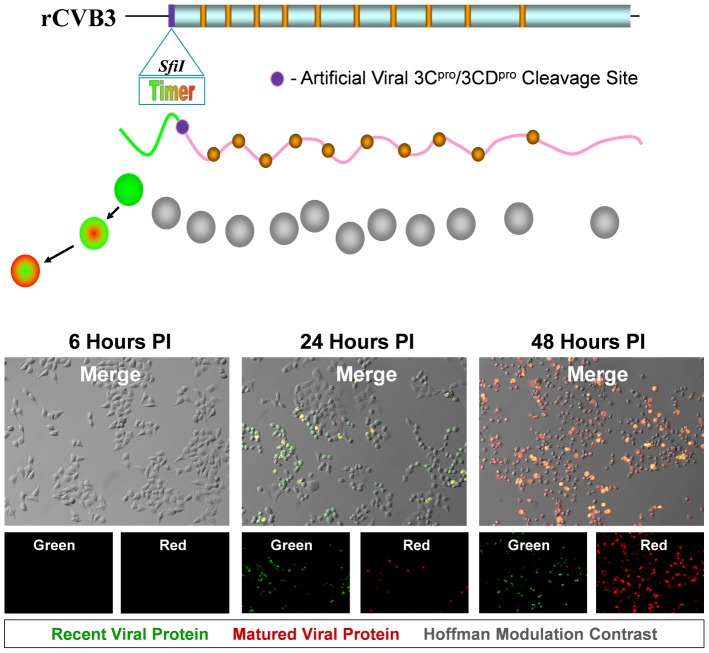
Figure 1
Figure 1. HeLa cells infected with Timer-CVB3 slowly change fluorescence from green to red.
The gene for “fluorescent timer” protein was inserted into the infectious plasmid clone for CVB3 (pMKS1) which contains a unique Sfi1 restriction site followed by the coding sequence for a polyglycine linker and a 3Cpro/3CDpro cleavage site (shown as a purple circle) immediately downstream of the viral polyprotein start codon. Upon HeLa cell infection with recombinant CVB3 expressing “fluorescent timer” protein (Timer-CVB3), we expected the slow conversion of the green fluorescing form of timer protein to red (shown diagrammatically). HeLa cells infected with Timer-CVB3 (moi = 0.1) initially fluoresced green (recent viral protein) at 24 hours PI as determined by fluorescence microscopy. By 48 hours PI, both green and red fluorescence (matured viral protein) was observed in infected HeLa cells, although the majority of cells fluoresced brightly in the red channel.
Figure 2
Figure 2. HeLa Cells infected with Timer-CVB3 slowly change fluorescence from green to red as determined by flow cytometric analysis.
HeLa cells were either mock-infected or infected with eGFP-CVB (moi = 01), dsRed-CVB3 (moi = 0.1), or Timer-CVB3 (moi = 0.01 or 0.1). After the indicated times post-infection, the cells were isolated, centrifuged and resuspended in a solution of 4% paraformaldehyde in 1× PBS for fixation overnight. The cells were then centrifuged and resuspended in 0.1% BSA/1× PBS, and the cell solutions were stored at 4°C until analyzed by flow cytometry. Quadrants were set based in mock-infected control samples.
Figure 3
Figure 3. Timer-CVB3 plaque progression and viral spread in HeLa cells and NPSCs.
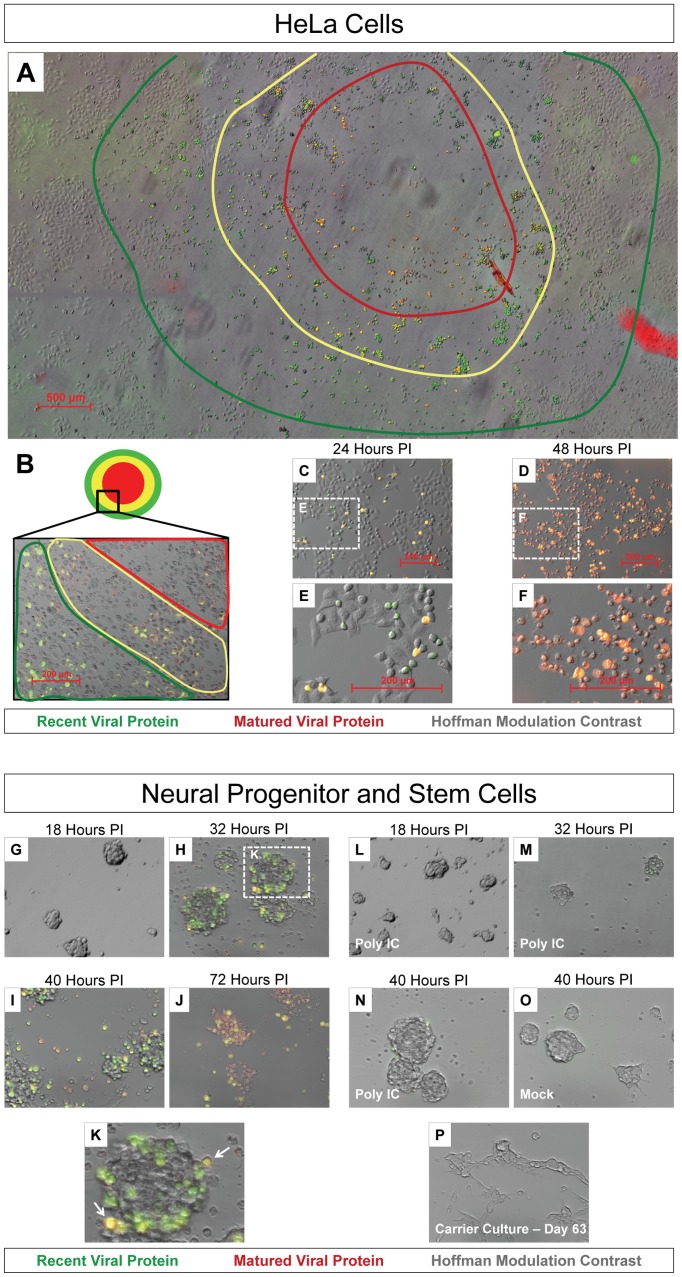
(A) The conversion of “fluorescent timer” protein was observed in an assembled composite of overlapping 5× fluorescence microscopic images during plaque formation on HeLa cells infected with Timer-CVB3 and overlayed with 0.3% agar. A “bulls-eye” pattern was seen by fluorescence microscopy whereby matured viral protein (red region) was detected in early infected cells located in the center of the plaque, and recent viral protein (green region) was detected in cells located further from the plaque center. (B) Higher magnification revealed Timer-CVB3 plaque progression, viral spread, and cytopathic effects as illustrated by red, yellow and green regions within the plaque. (C), (E) HeLa cells grown in culture and infected with Timer-CVB3 at 24 hours PI fluoresced yellow and green (recent viral protein). (D), (F) HeLa cells infected with Timer-CVB3 at 48 hours PI fluoresce yellow and red (matured viral protein). (G), (H), (I), (J), and (K) Progression of NPSCs infected with Timer-CVB3 was observed by fluorescence microscopy. (L), (M), (N), (O) NPSCs pretreated with poly IC showed reduced infection with Timer-CVB3. (P) Carrier-state NPSCs infected with Timer-CVB3 failed to express detectable levels of “fluorescent timer” protein.
Figure 4
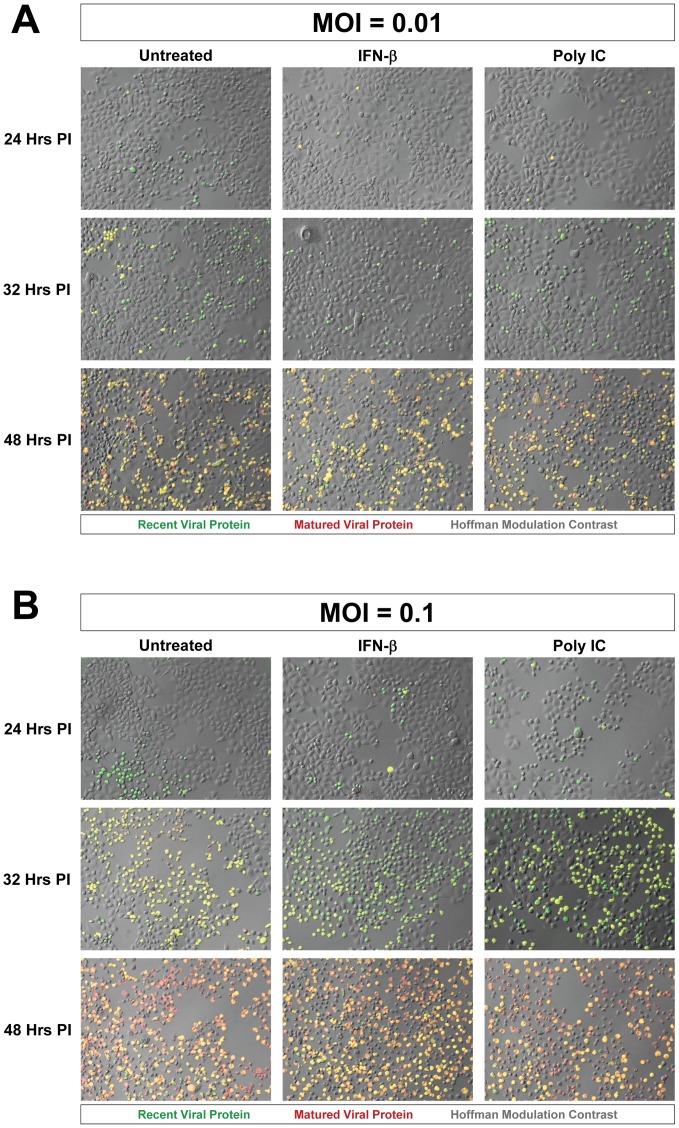
Figure 4. Progression of Timer-CVB3 infection in HeLa cells pretreated with IFN-β or Poly IC.
(A) At low moi (moi = 0.01), more green cells were observed in untreated HeLa cells as compared to either of the treatment conditions at 24 hours PI. At 32 hours PI, more yellow cells were observed in untreated cultures. At 48 hours PI, all cultures contain a mixture of red, green, yellow fluorescing cells. (B) At the higher moi (moi = 0.1), the cultures appear to be very similar across the three different conditions for each of the three time points.
Figure 5
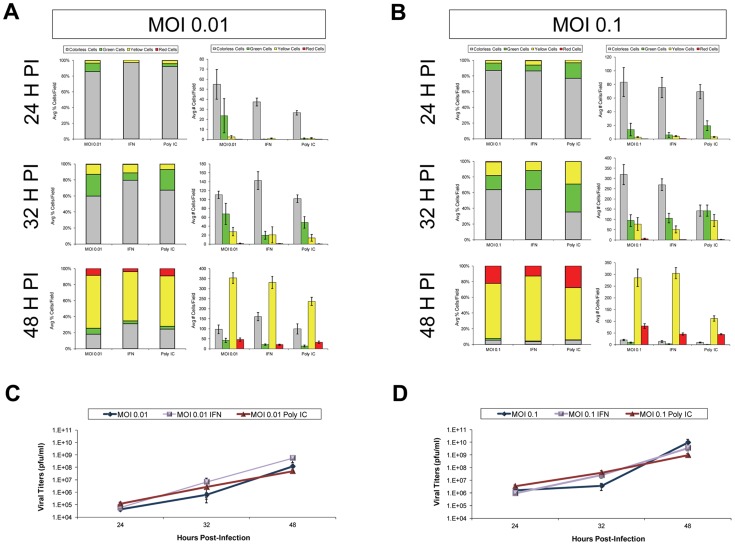
Figure 5. IFN-β or poly IC treatment restricted the progression of Timer-CVB3 infection in HeLa cells at low multiplicities of infection.
(A) HeLa cells treated with IFN-β or Poly IC showed fewer signs of cytopathic effects and fewer green cells by fluorescence microscopy following infection with Timer-CVB3 as compared to untreated cultures at 24 hours PI. For HeLa cells given a relatively low amount of viral inoculum (moi = 0.01), untreated cultures showed the highest percentage of green cells. By 32 hours PI, the number of cells exhibiting cytopathic effects was similar across the three conditions, and the percentage of cells expressing green “fluorescent timer” protein was similar between the untreated and the poly IC-treated cultures. In contrast IFN- β -treated HeLa cells continued to show reduced numbers of green cells. By 48 hours PI, the majority of the infected HeLa cells expressed both early and late viral proteins (yellow signal), and no significant differences were observed between the three conditions. (B) The effects of IFN- β and poly IC were minimized at higher moi. (C), (D) Viral titers were similar between treatments at both the low and high moi.
Figure 6
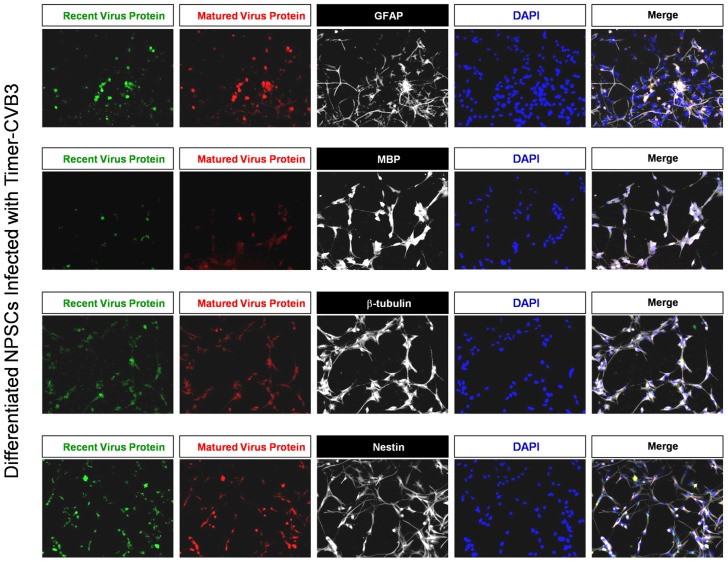
Figure 6. Inspection of recent and matured virus protein expression in differentiated NPSCs infected with Timer-CVB3.
NPSCs cultures were differentiated for five days, and then infected with Timer-CVB3 for three days, followed by immunostaining for lineage markers (white signal). “Fluorescent timer” protein produced early on (matured virus protein) marked cells which were infected early on. Newly infected cells were distinguished by green fluorescence (recent viral protein).
Figure 7
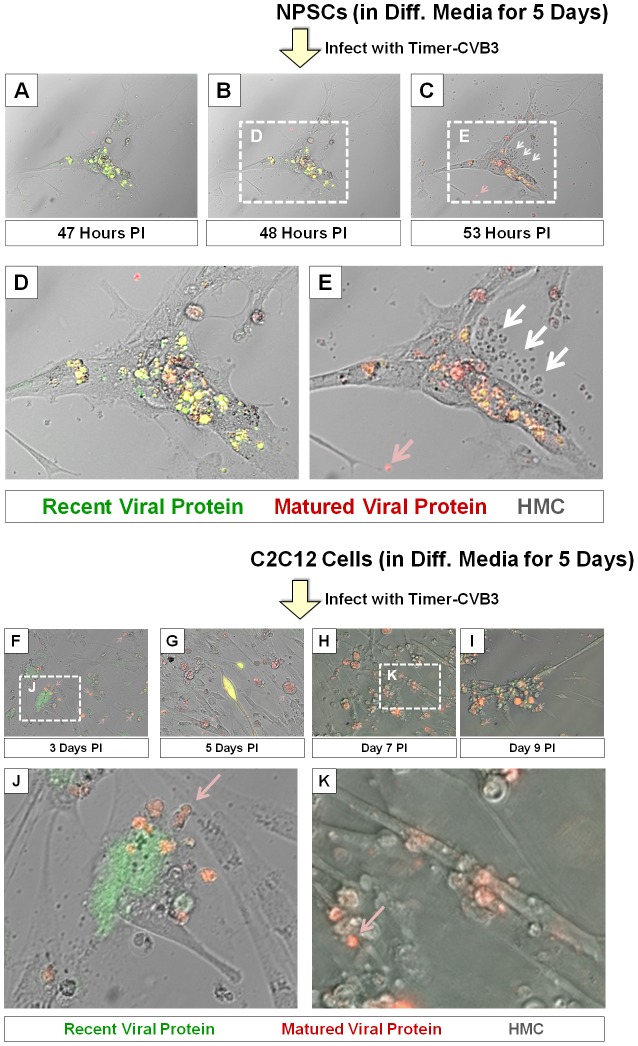
Figure 7. Shedding of EMVs containing viral protein following Timer-CVB3 infection of differentiated cells.
(A–C) “Fluorescent timer” protein changed from green to red over the span of 6 hours in differentiated NPSCs infected with Timer-CVB3. (D), (E) Digital magnification of (B) and (C), respectively, revealed the shedding of EMVs (white arrows) some containing matured “fluorescent timer” protein (pink arrow) between 48 and 53 hours post infection. (F–I) Abundant EMVs containing matured “fluorescent timer” protein were observed in differentiated C2C12 myoblast cells infected with Timer-CVB3. (J) Digital magnification demonstrated the presence of EMVs containing matured “fluorescent timer” protein (pink arrow) near recently-infected cells in green at 3 days PI. (K) By 7 days PI, EMVs containing matured “fluorescent timer” protein (pink arrow) were observed near cells with signs of cytopathic effects.
Figure 8
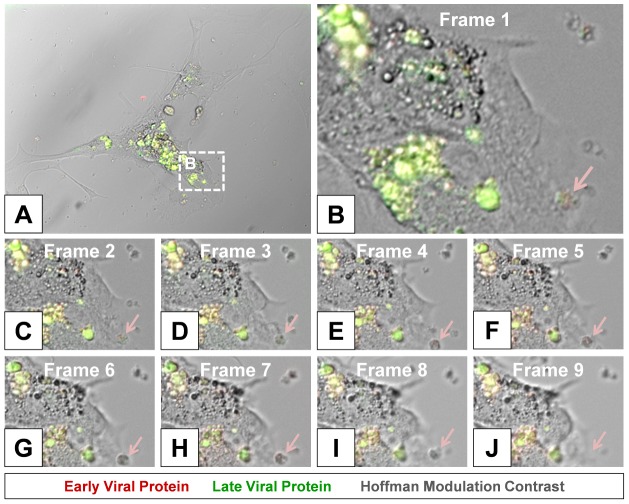
Figure 8. Time lapse photography frames showing microvesicle egress from a Timer-CVB3-infected cell.
(B–I) Close inspection of image (A) taken at 15 minute intervals in differentiated NPSCs infected with Timer-CVB3 and observed during a six hour span revealed intracellular membrane reorganization (first 8 frames shown). (J) An intracellular microvesicle expressing matured “fluorescent timer” protein and formed following Timer-CVB3 infection was released from the infected cell (frame 9; pink arrow).
Figure 9
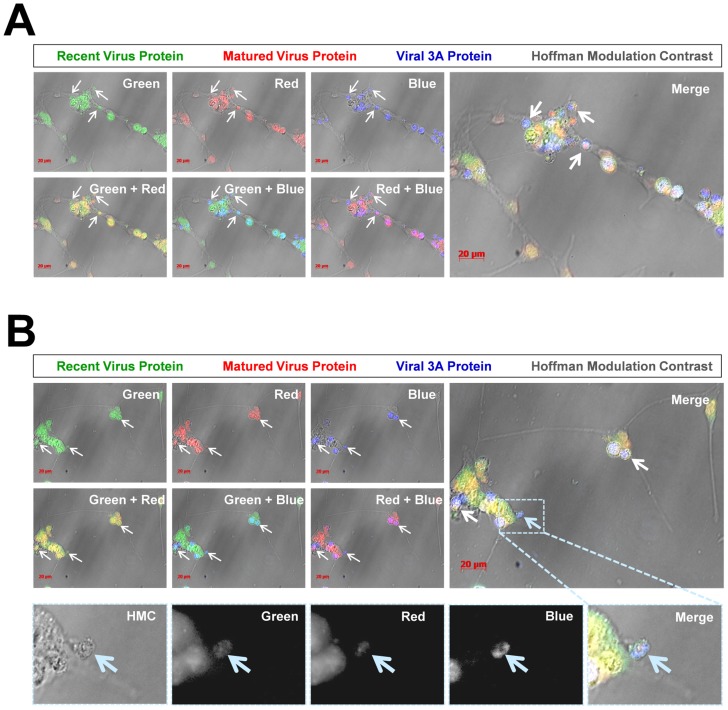
Figure 9. Colocalization of “fluorescent timer” protein and viral 3A protein in NPSCs infected with Timer-CVB3.
NPSCs were differentiated for five days and infected with Timer-CVB3 for four days. Infected cells were fixed and immunostaining for viral 3A protein (blue) or observed for native “fluorescent timer” protein expression. Optical sections of stained cells were evaluated for viral protein colocalization utilizing a Zeiss Axio Observer with ApoTome Imaging System. (A) Viral 3A protein colocalized with both recent and matured “fluorescent timer” protein. Also, viral 3A protein was preferentially observed within intracellular microvesicles (white arrows) associated with the cellular membrane. (B) An additional field of infected cells was evaluated, and viral 3A protein colocalized with both recent and matured “fluorescent timer” protein, although the distribution of “fluorescent timer” protein appeared more widespread and viral 3A protein was preferentially associated with intracellular microvesicles. Closer inspection of a single microvesicle (High magnification images highlighted in the dashed cyan box) revealed colocalization of viral 3A protein with both recent and matured “fluorescent timer” protein (cyan arrow; black and white images).
Figure 10
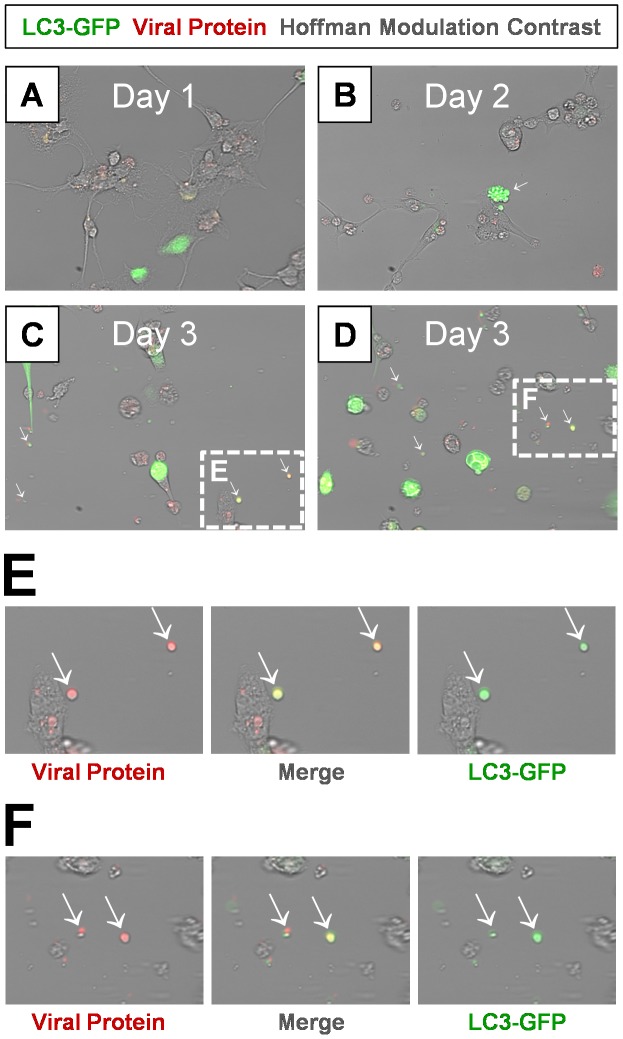
Figure 10. Detection of LC3 protein in shed EMVs containing viral protein.
Differentiated NPSCs transduced with adeno-LC3-GFP were infected with dsRED-CVB3 (moi = 0.1) and observed by fluorescence microscopy up to 3 days PI. (A) Transduced NPSCs (green) and viral protein expression (red) were readily observed by day 1 PI. (B) Differentiated NPSCs infected with virus showed signs of cellular blebbing by day 2 PI (white arrow). (C–D) Abundant shed EMVs were readily observed by day 3 PI. EMVs (white arrows) contained viral protein (red) and expressed a marker for autophagosomes (LC3-GFP, green). (E–F) Higher magnification of (C) and (D) showed colocalization of viral protein and LC3-GFP in shed EMVs.
Figure 11
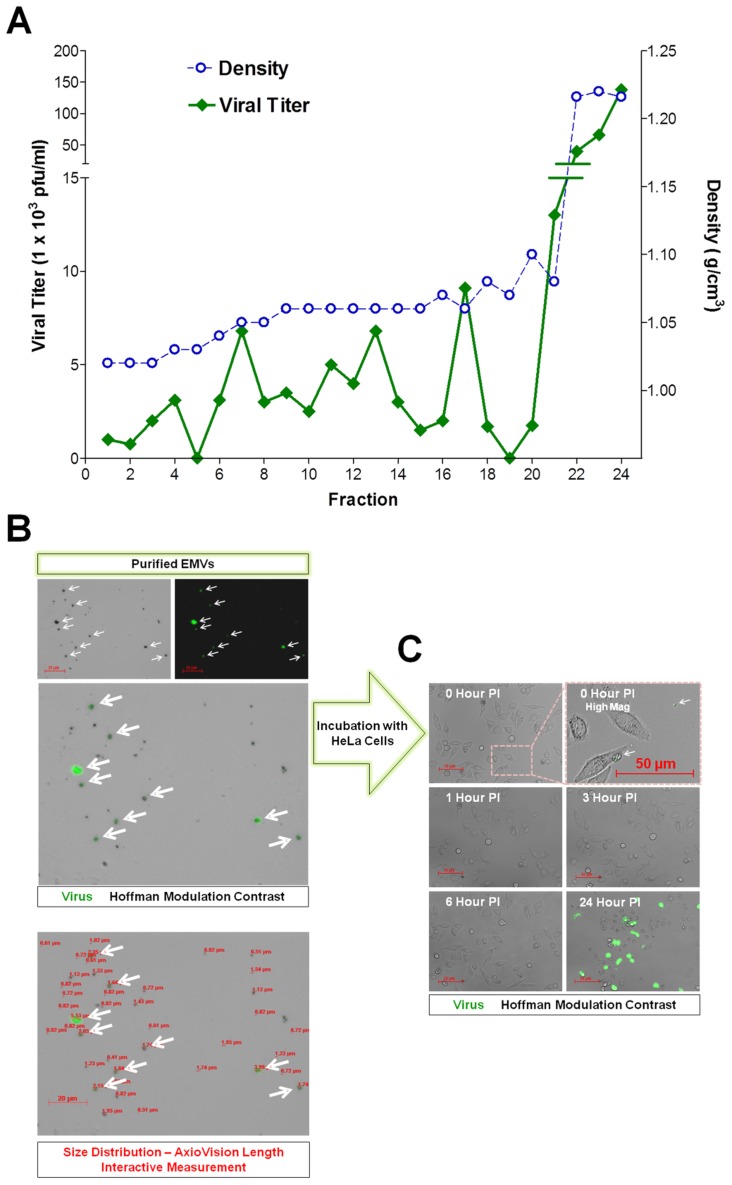
Figure 11. Purified EMVs isolated from infected progenitor cells contained infectious virus.
(A) Supernatants from differentiated C2C12 cell cultures infected with eGFP-CVB3 were collected at day 3 PI and purified by Isopycnic gradient centrifugation. Buoyant density of infectious, membrane-associated EMVs released by C2C12 cells were observed within a range of 1.04–1.10 g cm−3. In contrast, a separate peak of infectious virus was observed at a density expected for non-enveloped virions (1.22 g cm−3). (B) Shed microvesicles isolated from differentiated C2C12 cells infected with eGFP-CVB3 were collected at day 3 PI and purified utilizing the Exoquick-TC polymer-based exosome precipitation kit. Purified EMVs were resuspended in 1× DMEM and inspected by fluorescence microscopy for viral protein (eGFP) and size distribution using the Length Interactive Measurement feature in AxioVision software. (C) Purified EMVs were added to HeLa cell cultures, and virus protein expression was followed by fluorescence microscopy over 24 hours PI.
Figure 12
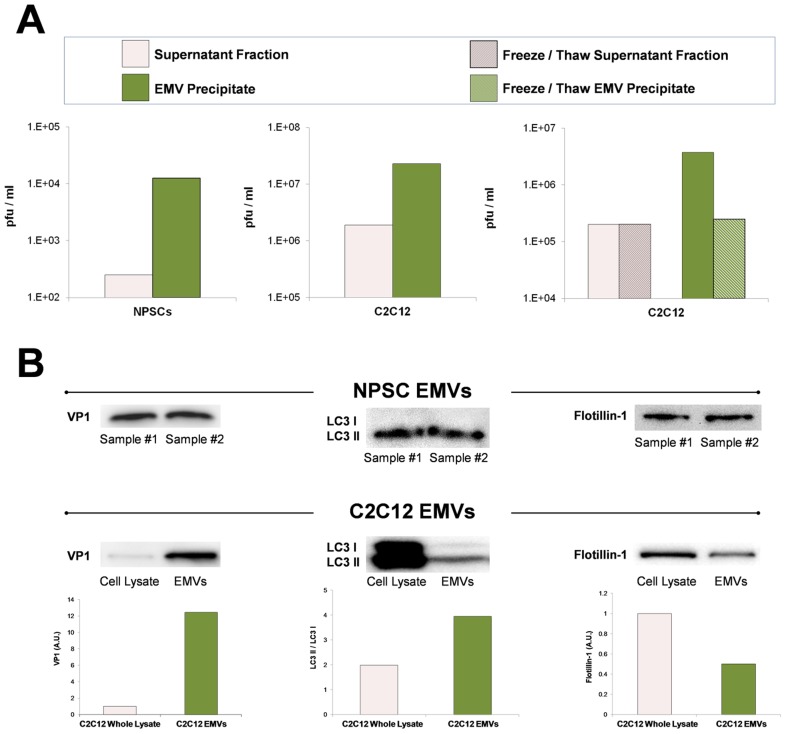
Figure 12. Purified EMVs isolated from infected progenitor cells expressed VP1, LC3 II and flotillin-1 proteins.
Shed microvesicles isolated from differentiated C2C12 or NPSC cell cultures infected with eGFP-CVB3 were collected at day 3 PI and purified utilizing the Exoquick-TC polymer-based exosome precipitation kit. (A) Purified EMVs from differentiated C2C12 and NPSC cultures were resuspended with 1× PBS, and infectious virus was quantified by standard plaque assay. Levels of infectious virus in EMV precipitates (green bar) were compared to supernatant fractions (pink bar) obtained during the EMV purification procedure. Alternatively, EMV precipitates from infected differentiated C2C12 cells (green hatched bar) and supernatant fractions (pink hatched bar) were freeze/thawed 3× prior to virus titer quantification. (B) Purified EMVs were inspected by western analysis for the presence of coxsackievirus viral protein 1 capsid (VP1), LC3 I/LC3 II, and flotillin-1. The levels of VP1 and flotillin-1 were normalized to total protein levels quantified by bicinchoninic assay. The ratio of LC3 II to LC3 I was determined for EMVs and infected C2C12 cell lysates.
Figure 13
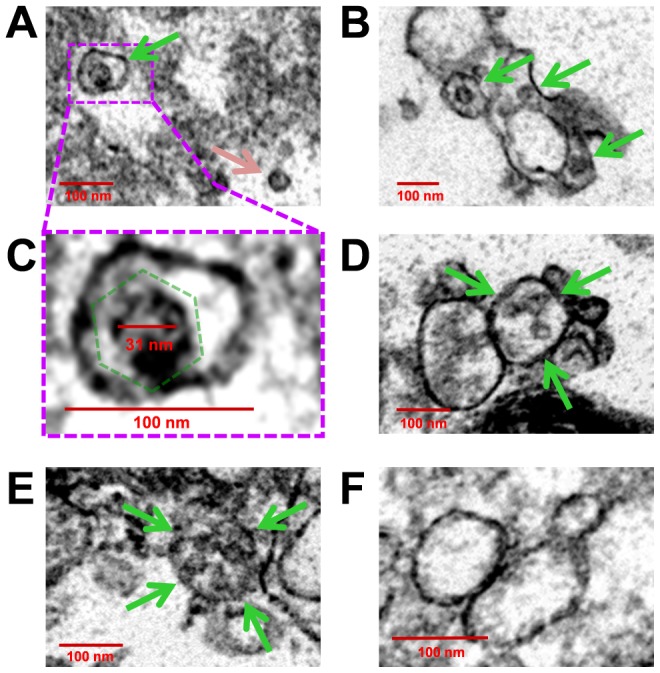
Figure 13. Virions were identified inside purified EMVs by transmission electron microscopy.
EMVs were purified from mock-infected or infected differentiated C2C12 cells. Transmission electron microscopy was utilized to inspect EMVs for the presence of CVB3 virions. (A) Numerous virus-like particles within microvesicles (green arrow), although free virions was also observed (pink arrow). (B) EMVs harboring virus-like particles (green arrows) were of varying size. (C) Higher digital magnification (dashed purple box) of a virus-like particle revealed an icosahedral shape structure (dashed green polygon) slightly larger than 31 nm in diameter enclosed within a membrane structure. (D), (E) Larger microvesicles also contained multiple virions (green arrows). (F) In contrast, microvesicles isolated from mock-infected C2C12 cells were identified by EM without virus-like particles.
Figure 14
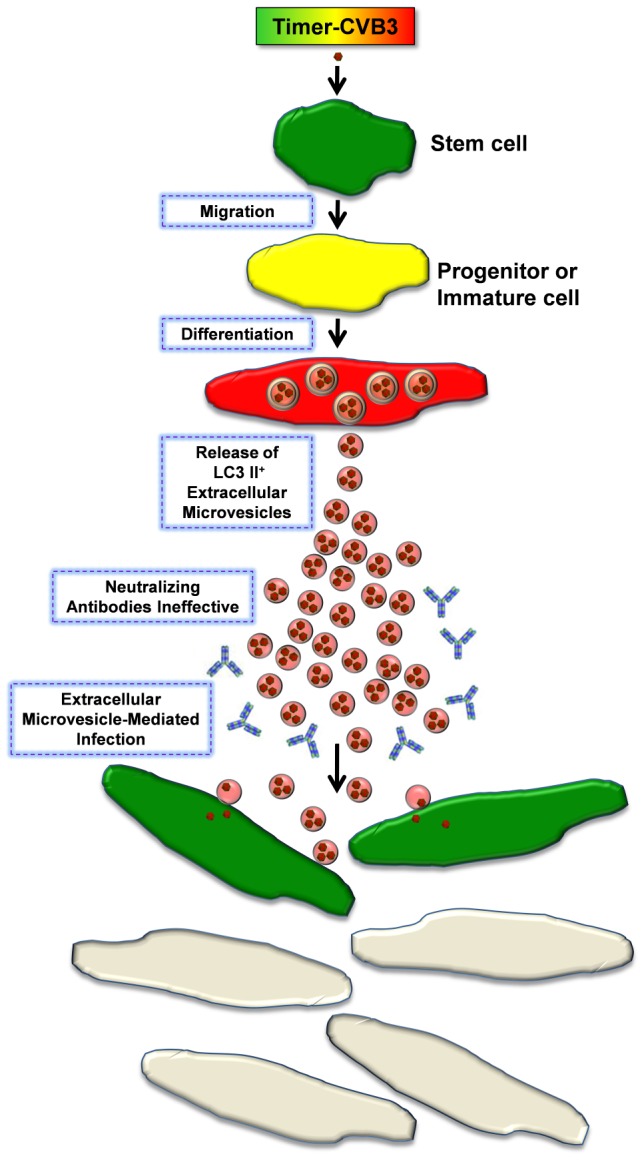
Figure 14. Model of Timer-CVB3 dissemination by EMVs triggered following stem cell migration and differentiation.
NPSCs are highly susceptible to CVB3 infection. Upon progenitor cell migration and differentiation, LC3 II+ EMVs containing infectious virus are shed by cells. Both the differentiation process and viral infection enhance shedding of single membrane EMVs derived from the autophagy pathway. Neutralizing antibodies may be ineffective against infectious virus within the protected environment of the extracellular microvesicle. Fusion of EMVs with cells assists in CVB3 dissemination and expansion to new target cells, some of which do not express the CVB3 receptor for entry (CAR). New target cells are identified by the expression of recent viral protein (green).

References

    1. Muir P, van Loon AM (1997) Enterovirus infections of the central nervous system. Intervirology 40: 153–166. - PubMed
    1. Sawyer MH (2002) Enterovirus infections: diagnosis and treatment. Semin Pediatr Infect Dis 13: 40–47. - PubMed
    1. Ornoy A, Tenenbaum A (2006) Pregnancy outcome following infections by coxsackie, echo, measles, mumps, hepatitis, polio and encephalitis viruses. Reprod Toxicol 21: 446–457. - PubMed
    1. Euscher E, Davis J, Holzman I, Nuovo GJ (2001) Coxsackie virus infection of the placenta associated with neurodevelopmental delays in the newborn. Obstet Gynecol 98: 1019–1026. - PubMed
    1. David P, Baleriaux D, Bank WO, Amrom D, De TD, et al. (1993) MRI of acute disseminated encephalomyelitis after coxsackie B infection. J Neuroradiol 20: 258–265. - PubMed

Publication types

MeSH terms