


Long-term behavioral programming induced by peripuberty stress in rats is accompanied by GABAergic-related alterations in the Amygdala
- PMID: 24736324
- PMCID: PMC3988094
- DOI: 10.1371/journal.pone.0094666
Long-term behavioral programming induced by peripuberty stress in rats is accompanied by GABAergic-related alterations in the Amygdala
Abstract
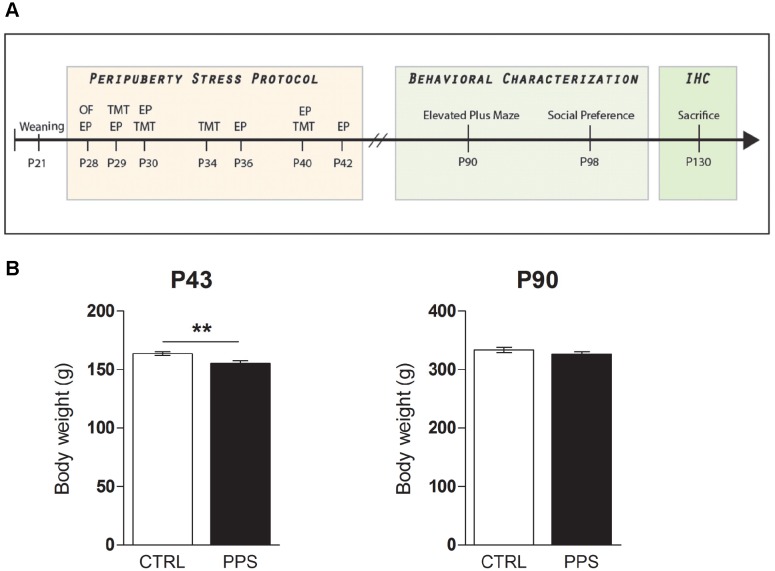
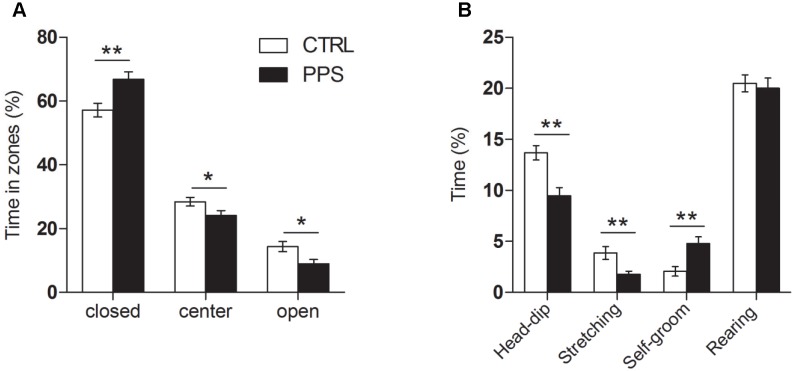
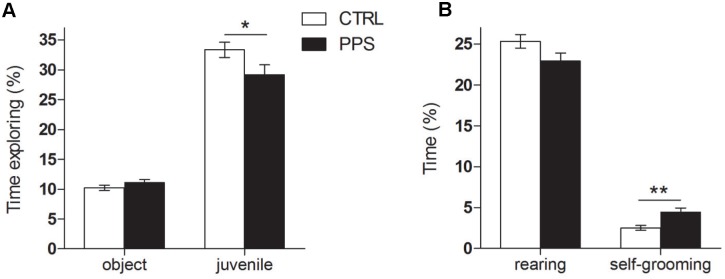
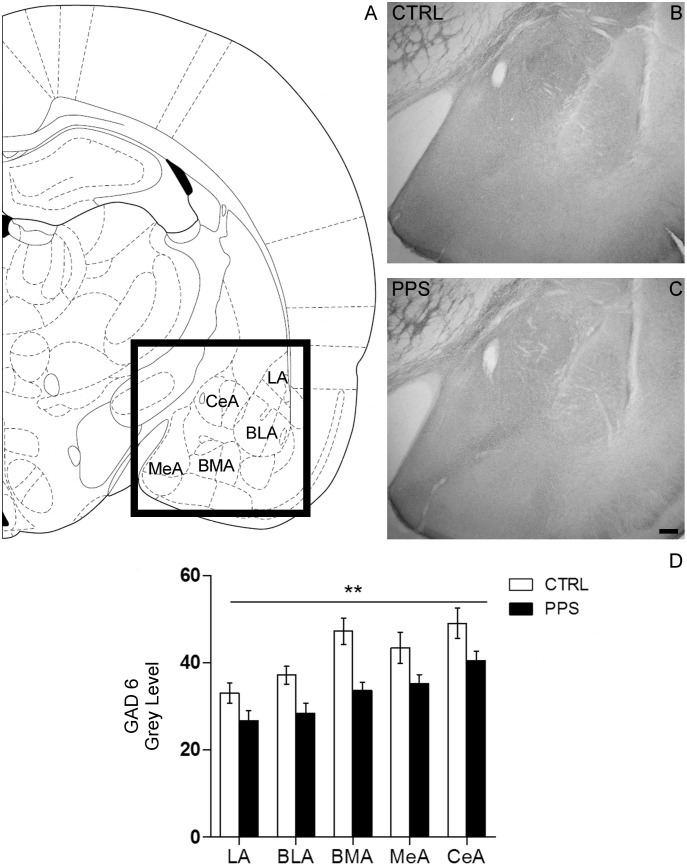
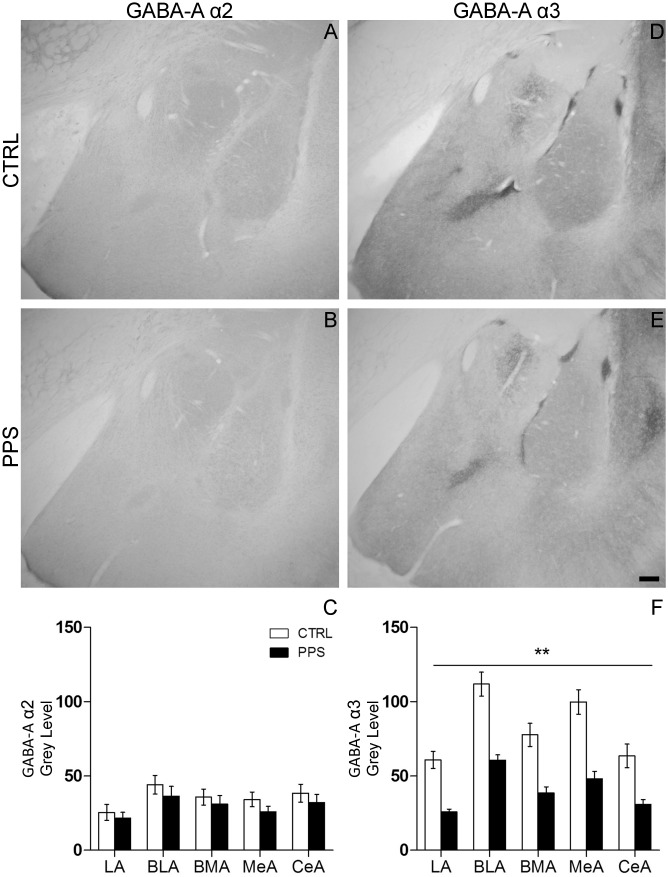
Stress during childhood and adolescence is a risk factor for psychopathology. Alterations in γ-aminobutyric acid (GABA), the main inhibitory neurotransmitter in the brain, have been found following stress exposure and fear experiences and are often implicated in anxiety and mood disorders. Abnormal amygdala functioning has also been detected following stress exposure and is also implicated in anxiety and social disorders. However, the amygdala is not a unitary structure; it includes several nuclei with different functions and little is known on the potential differences the impact of early life stress may have on this system within different amygdaloid nuclei. We aimed here to evaluate potential regional differences in the expression of GABAergic-related markers across several amygdaloid nuclei in adult rats subjected to a peripuberty stress protocol that leads to enhanced basal amygdala activity and psychopathological behaviors. More specifically, we investigated the protein expression levels of glutamic acid decarboxylase (GAD; the principal synthesizing enzyme of GABA) and of GABA-A receptor subunits α2 and α3. We found reduced GAD and GABA-A α3, but not α2, subunit protein levels throughout all the amygdala nuclei examined (lateral, basolateral, basomedial, medial and central) and increased anxiety-like behaviors and reduced sociability in peripubertally stressed animals. Our results identify an enduring inhibition of the GABAergic system across the amygdala following exposure to early adversity. They also highlight the suitability of the peripuberty stress model to investigate the link between treatments targeting the dysfunctional GABAergic system in specific amygdala nuclei and recovery of specific stress-induced behavioral dysfunctions.
Conflict of interest statement
Figures
References
-
- Heim C, Nemeroff CB (2001) The role of childhood trauma in the neurobiology of mood and anxiety disorders: preclinical and clinical studies. Biol Psychiatry 49: 1023–1039. - PubMed
-
- van der Kolk BA (2003) The neurobiology of childhood trauma and abuse. Child Adolesc Psychiatr Clin N Am 12: 293–317, ix. - PubMed
-
- Young EA, Abelson JL, Curtis GC, Nesse RM (1997) Childhood adversity and vulnerability to mood and anxiety disorders. Depress Anxiety 5: 66–72. - PubMed
Publication types
MeSH terms
Substances
LinkOut - more resources
Full Text Sources
Other Literature Sources
Medical
