Clinical Trial
. 2014 May;124(5):2000-8.
doi: 10.1172/JCI72950. Epub 2014 Apr 17.

Efficient phagocytosis and laccase activity affect the outcome of HIV-associated cryptococcosis

Clinical Trial

Efficient phagocytosis and laccase activity affect the outcome of HIV-associated cryptococcosis

Wilber Sabiiti et al. J Clin Invest. 2014 May.

Abstract

Background: Cryptococcal meningitis (CM) is a leading cause of HIV-associated mortality globally. High fungal burden in cerebrospinal fluid (CSF) at diagnosis and poor fungal clearance during treatment are recognized adverse prognostic markers; however, the underlying pathogenic factors that drive these clinical manifestations are incompletely understood. We profiled a large set of clinical isolates for established cryptococcal virulence traits to evaluate the contribution of C. neoformans phenotypic diversity to clinical presentation and outcome in human cryptococcosis.

Methods: Sixty-five C. neoformans isolates from clinical trial patients with matched clinical data were assayed in vitro to determine murine macrophage uptake, intracellular proliferation rate (IPR), capsule induction, and laccase activity. Analysis of the correlation between prognostic clinical and host immune parameters and fungal phenotypes was performed using Spearman's r, while the fungal-dependent impact on long-term survival was determined by Cox regression analysis.

Results: High levels of fungal uptake by macrophages in vitro, but not the IPR, were associated with CSF fungal burden (r = 0.38, P = 0.002) and long-term patient survival (hazard ratio [HR] 2.6, 95% CI 1.2-5.5, P = 0.012). High-uptake strains were hypocapsular (r = -0.28, P = 0.05) and exhibited enhanced laccase activity (r = 0.36, P = 0.003). Fungal isolates with greater laccase activity exhibited heightened survival ex vivo in purified CSF (r = 0.49, P < 0.0001) and resistance to clearance following patient antifungal treatment (r = 0.39, P = 0.003).

Conclusion: These findings underscore the contribution of cryptococcal-phagocyte interactions and laccase-dependent melanin pathways to human clinical presentation and outcome. Furthermore, characterization of fungal-specific pathways that drive clinical manifestation provide potential targets for the development of therapeutics and the management of CM.

Funding: This work was made possible by funding from the Wellcome Trust (WT088148MF), the Medical Research Council (MR/J008176/1), the NIHR Surgical Reconstruction and Microbiology Research Centre and the Lister Institute for Preventive Medicine (to R.C. May), and a Wellcome Trust Intermediate fellowship (089966, to T. Bicanic). The C. neoformans isolates were collected within clinical trials funded by the British Infection Society (fellowship to T. Bicanic), the Wellcome Trust (research training fellowships WT069991, to A.E. Brouwer and WT081794, to J.N. Jarvis), and the Medical Research Council, United Kingdom (76201). The funding sources had no role in the design or conduct of this study, nor in preparation of the manuscript.


Figures
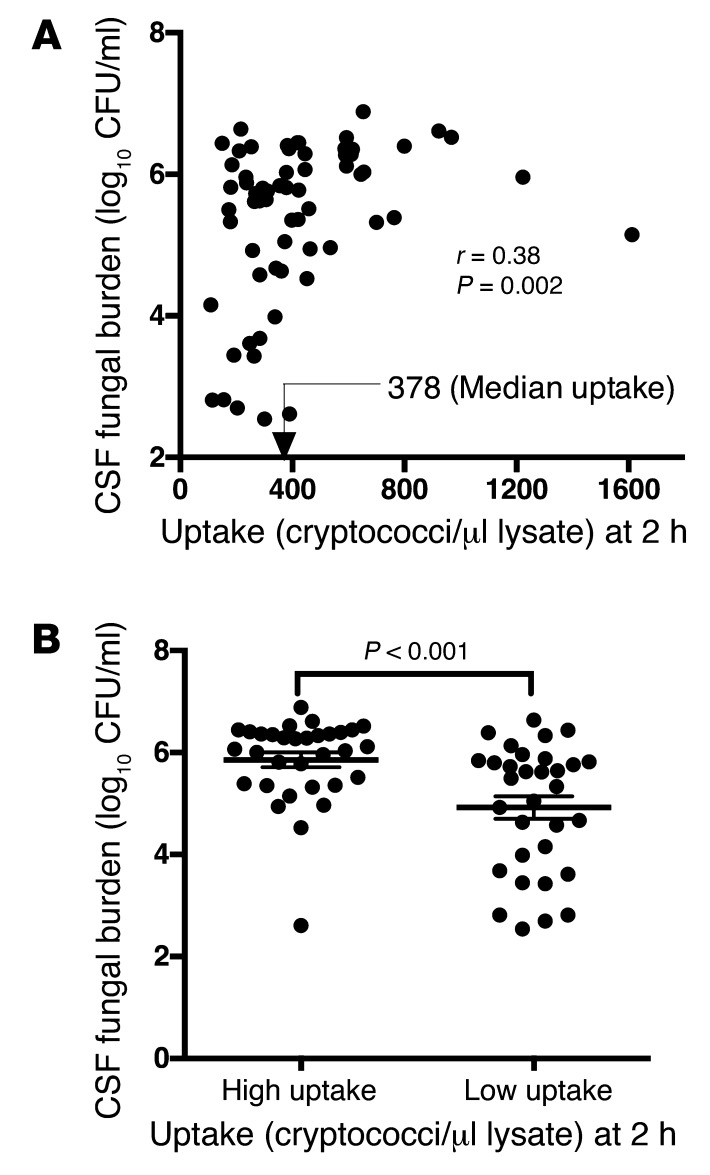
Figure 1
Figure 1. Association of cryptococcal uptake by macrophages with patient fungal burden.
(A) Positive correlation between cryptococcal uptake by J774 macrophages and patient CSF fungal burden. (B) The average log CSF fungal burden was significantly higher in the high-uptake than in the low-uptake group of isolates. Mean ± SEM, 5.856 ± 0.1457 and 4.922 ± 0.2189, respectively, P < 0.001. n = 32 in each group of isolates.
Figure 2
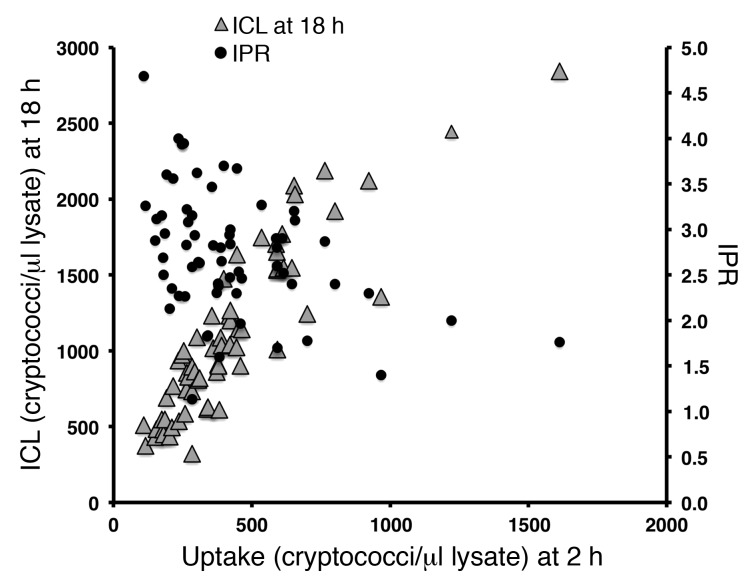
Figure 2. Relationship between uptake, IPR (r = –0.37, P = 0.003), and ICL.
Uptake was inversely correlated with IPR and positively correlated with ICL (r = 0.90, P < 0.001).
Figure 3
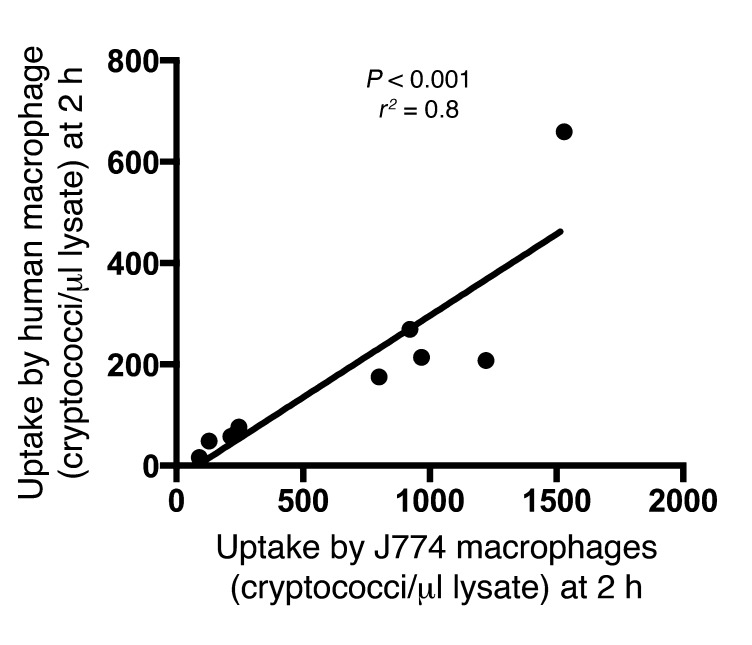
Figure 3. Cryptococcal uptake by J774 macrophages correlates with uptake by human macrophages.
High-uptake (n = 5) and low-uptake (n = 5) isolates were independently exposed to murine macrophage–like cell line J774 and primary human macrophages for 2 hours at 37°C. The rate of uptake in J774 macrophages was consistent with that in human macrophages (P < 0.001, linear regression).
Figure 4
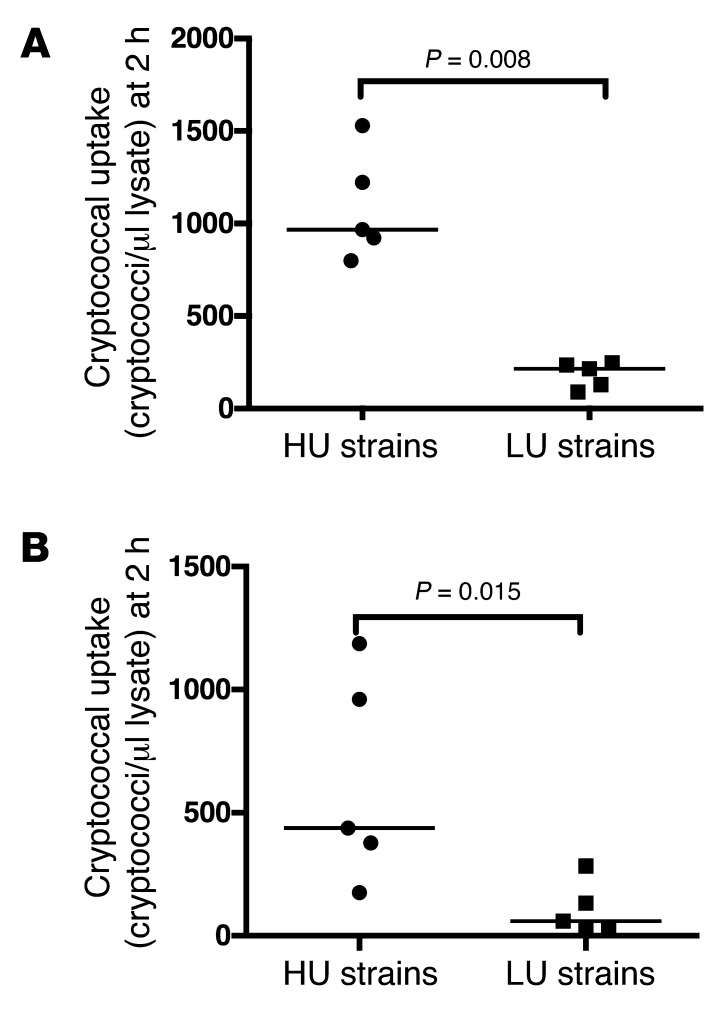
Figure 4. Cryptococcal uptake by macrophages in the absence of either antibody or complement opsonization.
(A) High-uptake (HU) strains were significantly more engulfed by macrophages in the presence of opsonin (anticapsule antibody 18B7) and (B) in the absence of opsonin compared with low-uptake (LU) strains. Solid black lines represent the median uptake within a group of strains for four experimental repeats.
Figure 5
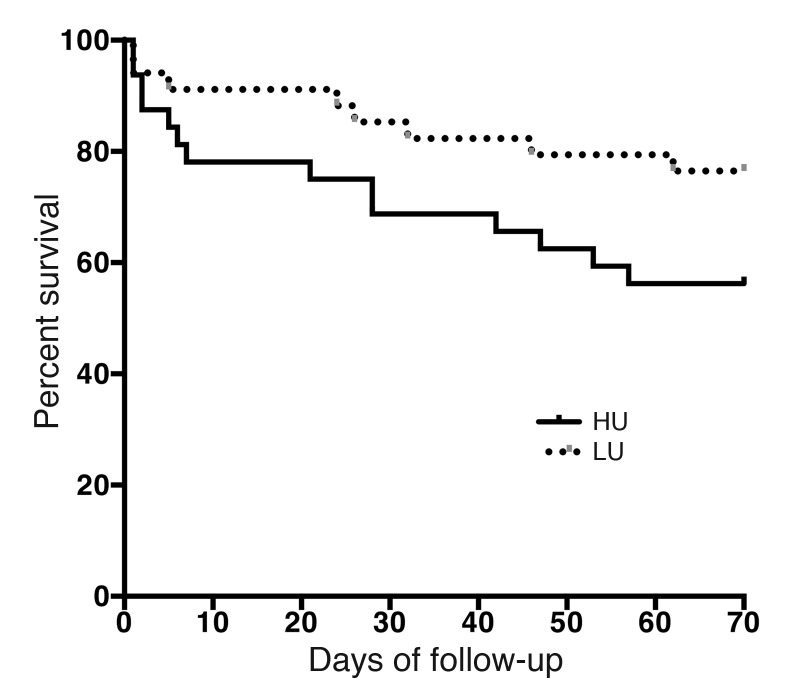
Figure 5. Kaplan-Meier survival curve estimates of patients infected with high-uptake (solid line) versus low-uptake (dotted line) isolates out to 10-week follow-up (HR 2.2, 95% CI 0.9–5.6, P = 0.095).
Figure 6
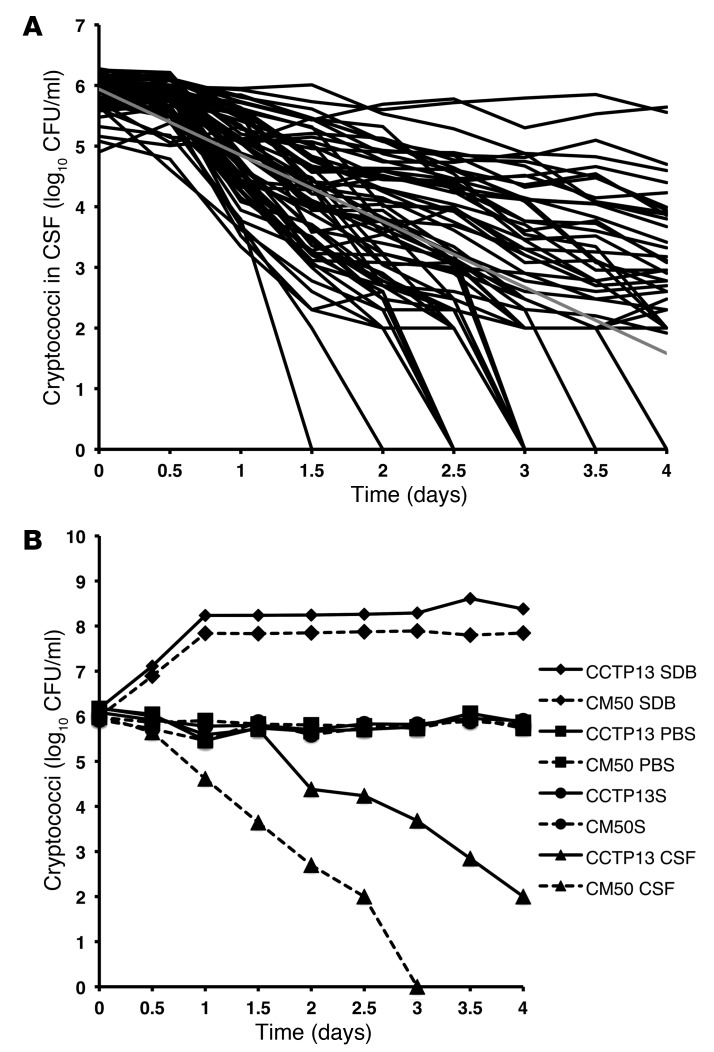
Figure 6. Cryptococcal survival in ex vivo human CSF.
(A) Survival of 65 clinical C. neoformans strains exposed to human CSF over 4 days. None of the strains proliferated in CSF; each black line represents the survival of one isolate over 4 days, and the gray line represents the mean survival for all strains. Survival slope was calculated as the mean rate of increase or decrease of CSF cryptococcal counts per day of incubation, derived by averaging the slope of the linear regression of log10 CFU/ml over time for each isolate. (B) Testing for whether the growth inhibition effect of CSF was nutrient or pH dependent. Two clinical strains (CCTP13 and CM50) were grown in SDB (positive control), nutrient-deficient PBS, and 1% saline (average per strain of survival at pH 5.6, 7.4, 8.5, and 10). Strains grew exponentially in SDB and maintained a stable population in PBS and saline but were gradually killed in CSF.
Figure 7
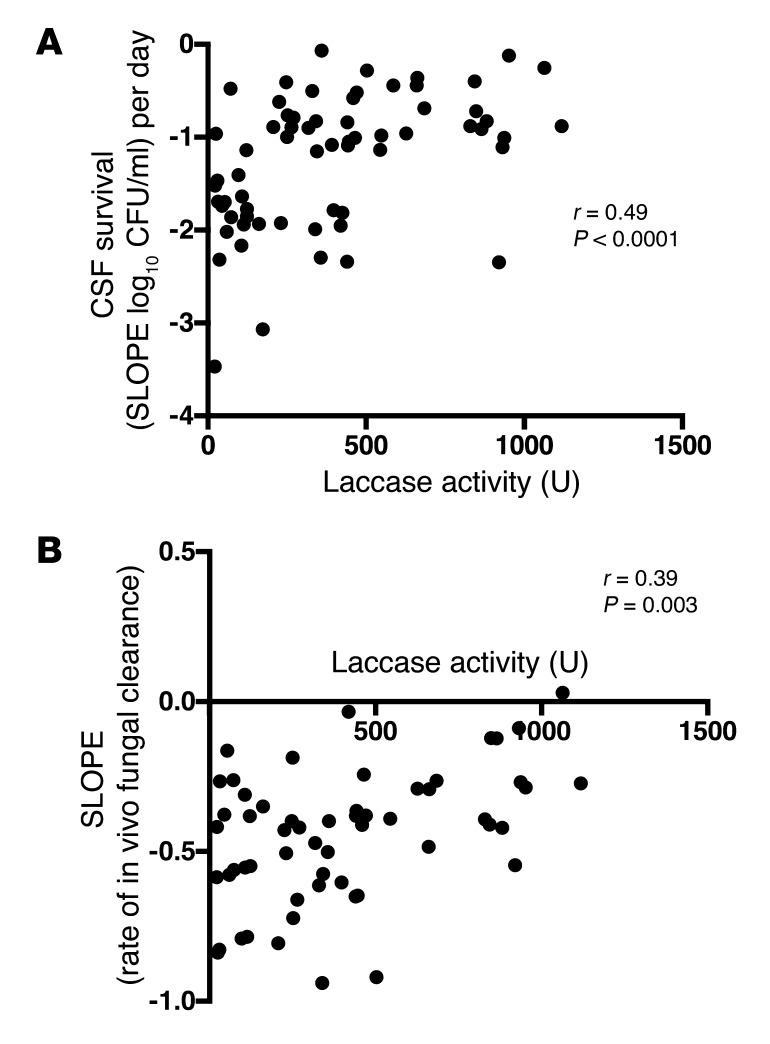
Figure 7. Association of laccase activity with ex vivo cryptococcal survival in CSF and the in vivo rate of fungal clearance.
(A) Higher survival in CSF by high laccase activity isolates. (B) High laccase activity isolates were cleared less effectively from patient CSF during antifungal treatment.

Comment in

References

    1. Park BJ, Wannemuehler KA, Marston BJ, Govender N, Pappas PG, Chiller TM. Estimation of the current global burden of cryptococcal meningitis among persons living with HIV/AIDS. AIDS. 2009;23(4):525–530. doi: 10.1097/QAD.0b013e328322ffac. - DOI - PubMed
    1. Jarvis JN, et al. High ongoing burden of cryptococcal disease in Africa despite antiretroviral roll out. AIDS. 2009;23(9):1182–1183. doi: 10.1097/QAD.0b013e32832be0fc. - DOI - PMC - PubMed
    1. Loyse A, et al. Cryptococcal meningitis: improving access to essential antifungal medicines in resource-poor countries. Lancet Infect Dis. 2013;13(7):629–637. doi: 10.1016/S1473-3099(13)70078-1. - DOI - PubMed
    1. Brouwer AE, et al. Combination antifungal therapies for HIV-associated cryptococcal meningitis: a randomised trial. Lancet. 2004;363(9423):1764–1767. doi: 10.1016/S0140-6736(04)16301-0. - DOI - PubMed
    1. Day JN, et al. Combination antifungal therapy for cryptococcal meningitis. N Engl J Med. 2013;368(14):1291–1302. doi: 10.1056/NEJMoa1110404. - DOI - PMC - PubMed

Publication types

MeSH terms