


Scene analysis in the natural environment
- PMID: 24744740
- PMCID: PMC3978336
- DOI: 10.3389/fpsyg.2014.00199
Scene analysis in the natural environment
Erratum in
- Front Psychol. 2014;5:1119
Abstract
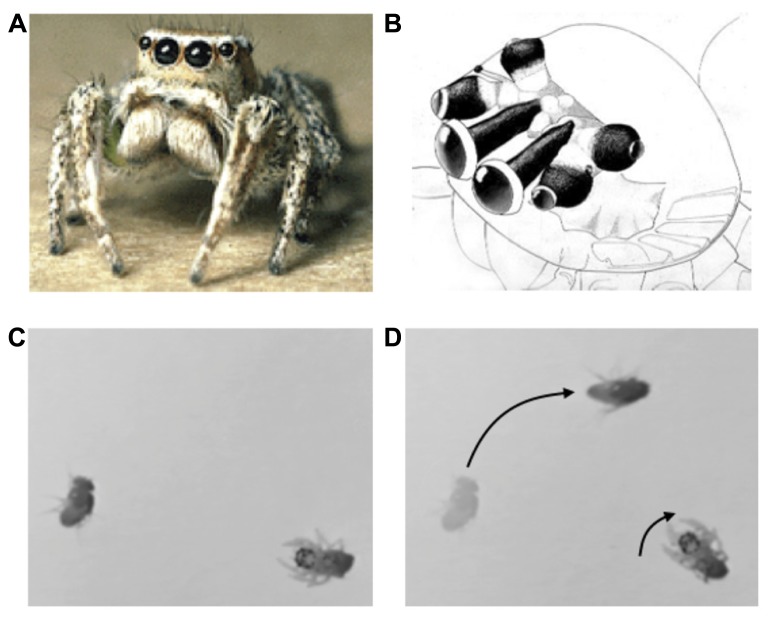
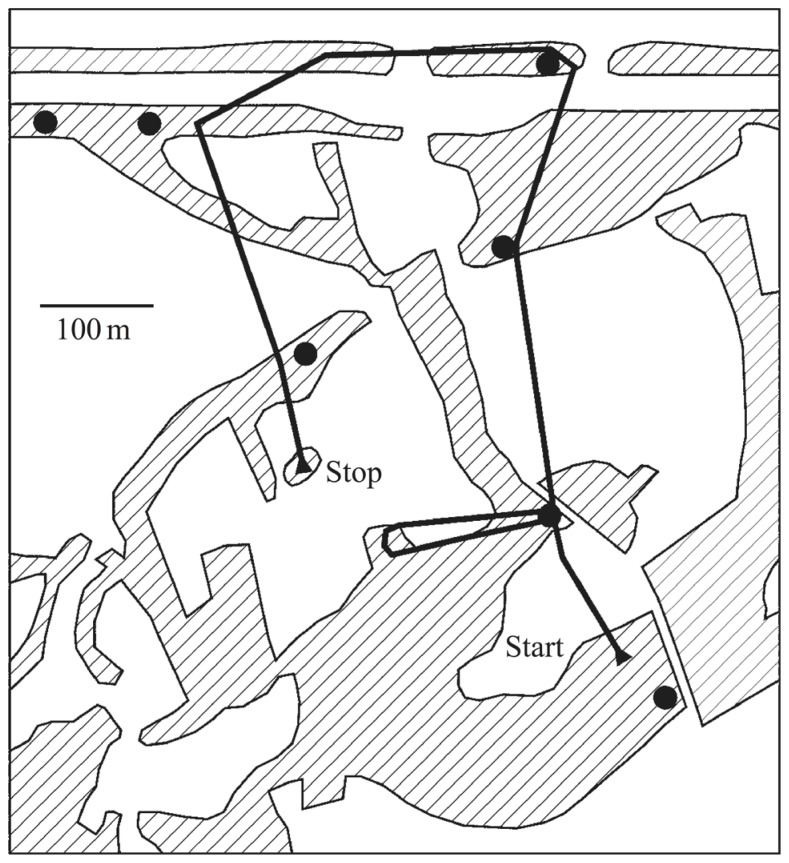
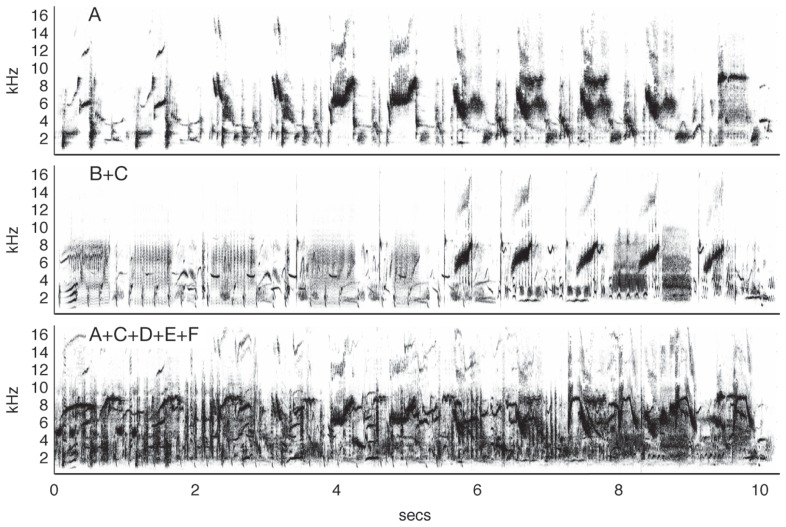
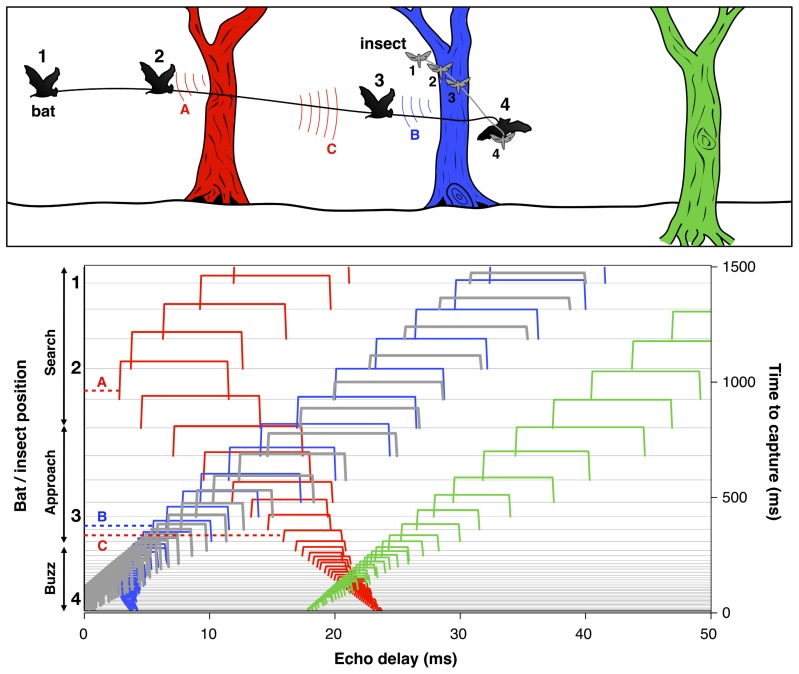
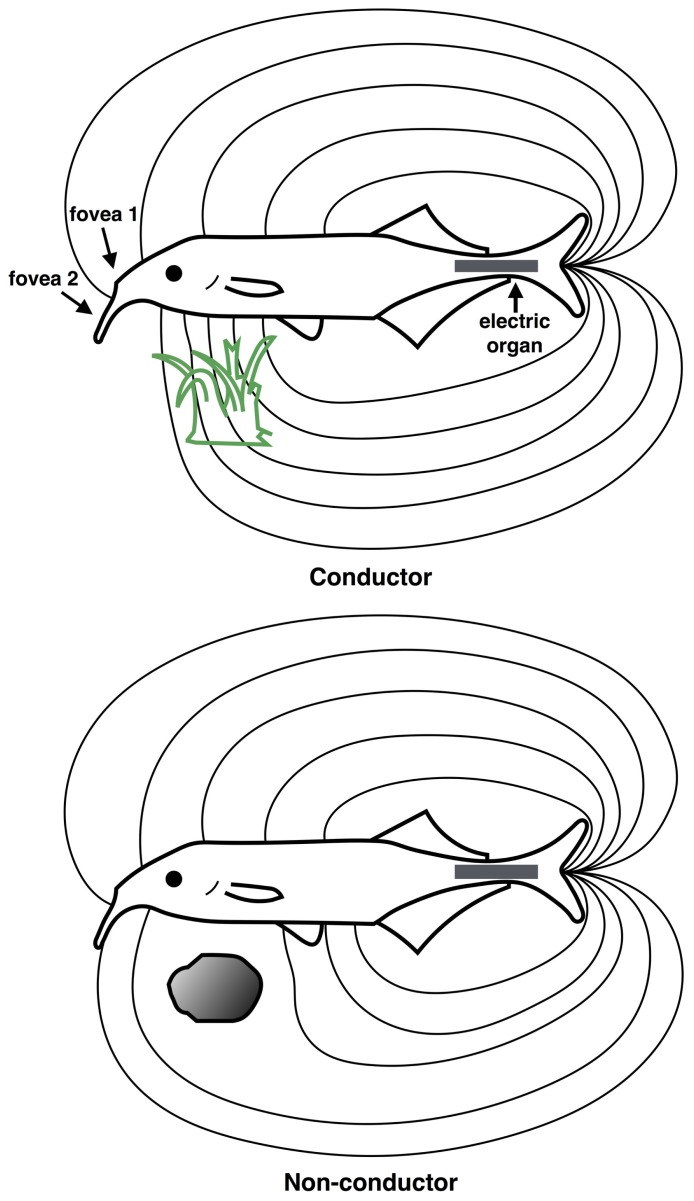
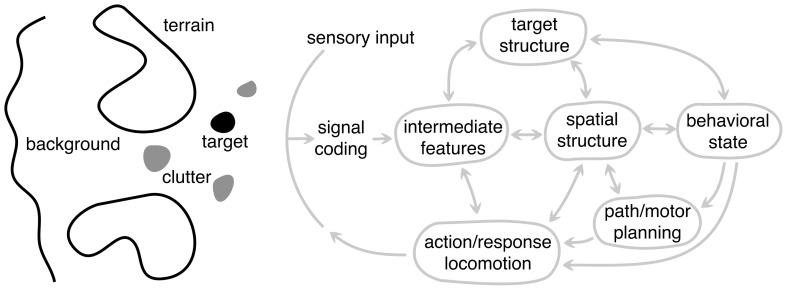
The problem of scene analysis has been studied in a number of different fields over the past decades. These studies have led to important insights into problems of scene analysis, but not all of these insights are widely appreciated, and there remain critical shortcomings in current approaches that hinder further progress. Here we take the view that scene analysis is a universal problem solved by all animals, and that we can gain new insight by studying the problems that animals face in complex natural environments. In particular, the jumping spider, songbird, echolocating bat, and electric fish, all exhibit behaviors that require robust solutions to scene analysis problems encountered in the natural environment. By examining the behaviors of these seemingly disparate animals, we emerge with a framework for studying scene analysis comprising four essential properties: (1) the ability to solve ill-posed problems, (2) the ability to integrate and store information across time and modality, (3) efficient recovery and representation of 3D scene structure, and (4) the use of optimal motor actions for acquiring information to progress toward behavioral goals.
Keywords: active perception; auditory streaming; echolocation; electroreception; neuroethology; scene analysis; top-down processes; vision.
Figures
References
-
- Aubin T., Jouventin P. (1998). Cocktail-party effect in king penguin colonies. Proc. R. Soc. Lond. B Biol. Sci. 265 1665–1673 10.1098/rspb.1998.0486 - DOI
Publication types
Grants and funding
LinkOut - more resources
Full Text Sources
Other Literature Sources
Miscellaneous
