


Modulation of tolerogenic dendritic cells and autoimmunity
- PMID: 24747368
- PMCID: PMC9973561
- DOI: 10.1016/j.semcdb.2014.04.020
Modulation of tolerogenic dendritic cells and autoimmunity
Abstract
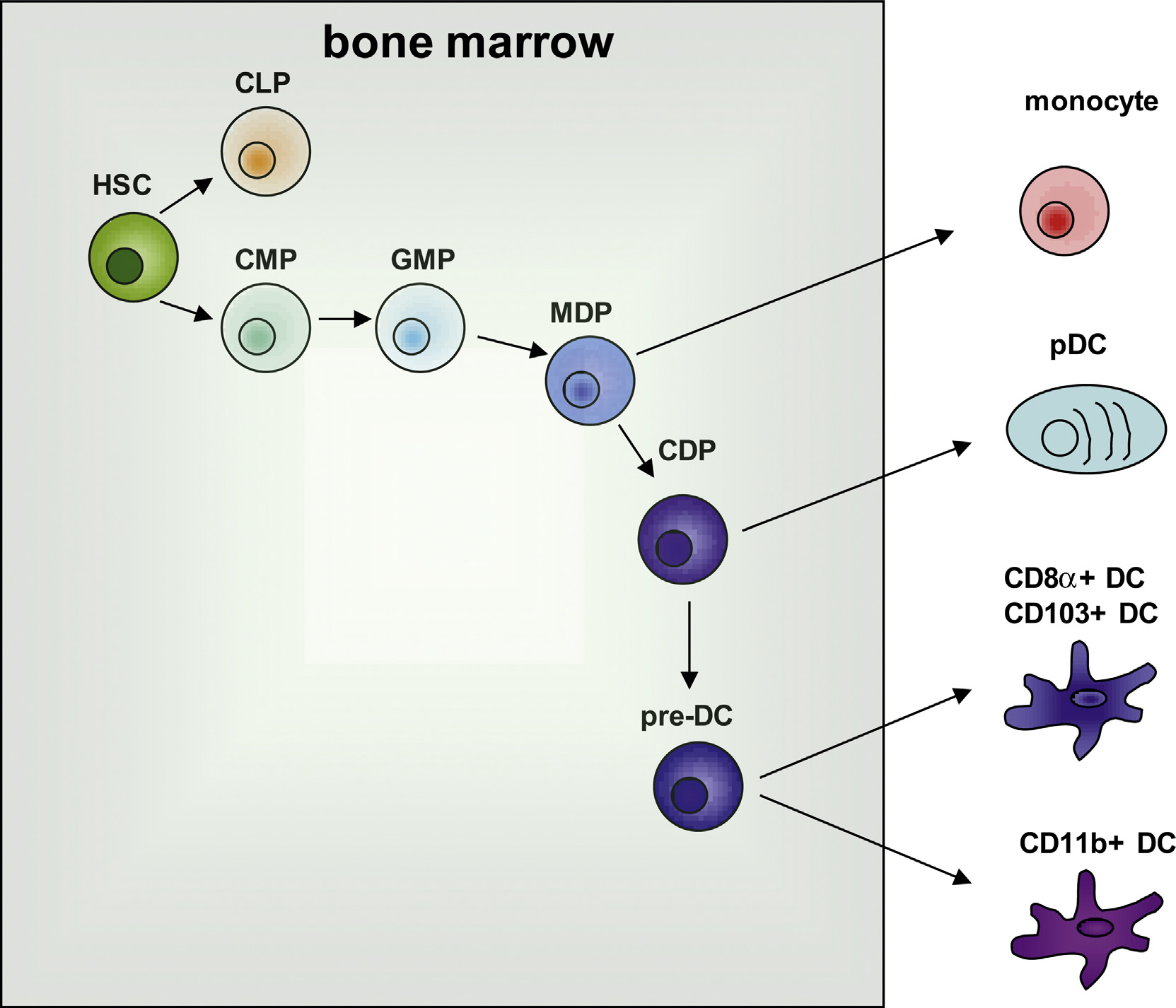
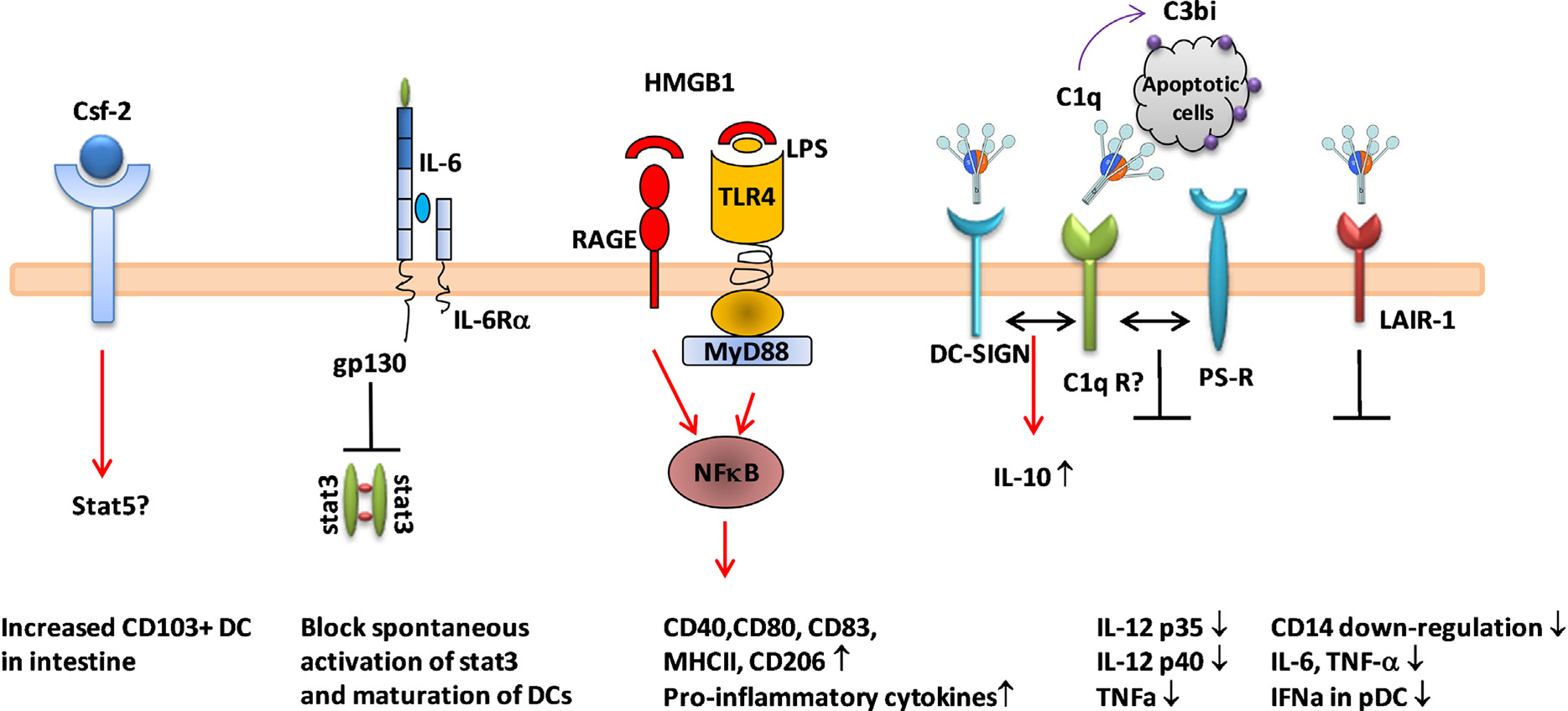
A key function of dendritic cells (DCs) is to induce either immune tolerance or immune activation. Many new DC subsets are being recognized, and it is now clear that each DC subset has a specialized function. For example, different DC subsets may express different cell surface molecules and respond differently to activation by secretion of a unique cytokine profile. Apart from intrinsic differences among DC subsets, various immune modulators in the microenvironment may influence DC function; inappropriate DC function is closely related to the development of immune disorders. The most exciting recent advance in DC biology is appreciation of human DC subsets. In this review, we discuss functionally different mouse and human DC subsets both in lymphoid organs and non-lymphoid organs, the molecules that regulate DC function, and the emerging understanding of the contribution of DCs to autoimmune diseases.
Keywords: Autoimmunity; Dendritic cells; Tissue-resident dendritic cells; Tolerogenic dendritic cells.
Copyright © 2014. Published by Elsevier Ltd.
Conflict of interest statement
Conflict of interest
The authors declare no conflict of interest.
Figures
References
-
- Fogg DK, Sibon C, Miled C, Jung S, Aucouturier P, Littman DR, et al. A clonogenic bone marrow progenitor specific for macrophages and dendritic cells. Science 2006;311:83–7. - PubMed
-
- Varol C, Vallon-Eberhard A, Elinav E, Aychek T, Shapira Y, Luche H, et al. Intestinal lamina propria dendritic cell subsets have different origin and functions. Immunity 2009;31:502–12. - PubMed
Publication types
MeSH terms
Substances
Grants and funding
LinkOut - more resources
Full Text Sources
